Vintage Furniture
A drawer that runs smoothly. A chair that feels right. Furniture earns its place through everyday use as much as appearance. Start with the pieces you need, then look a little closer.
The reading list
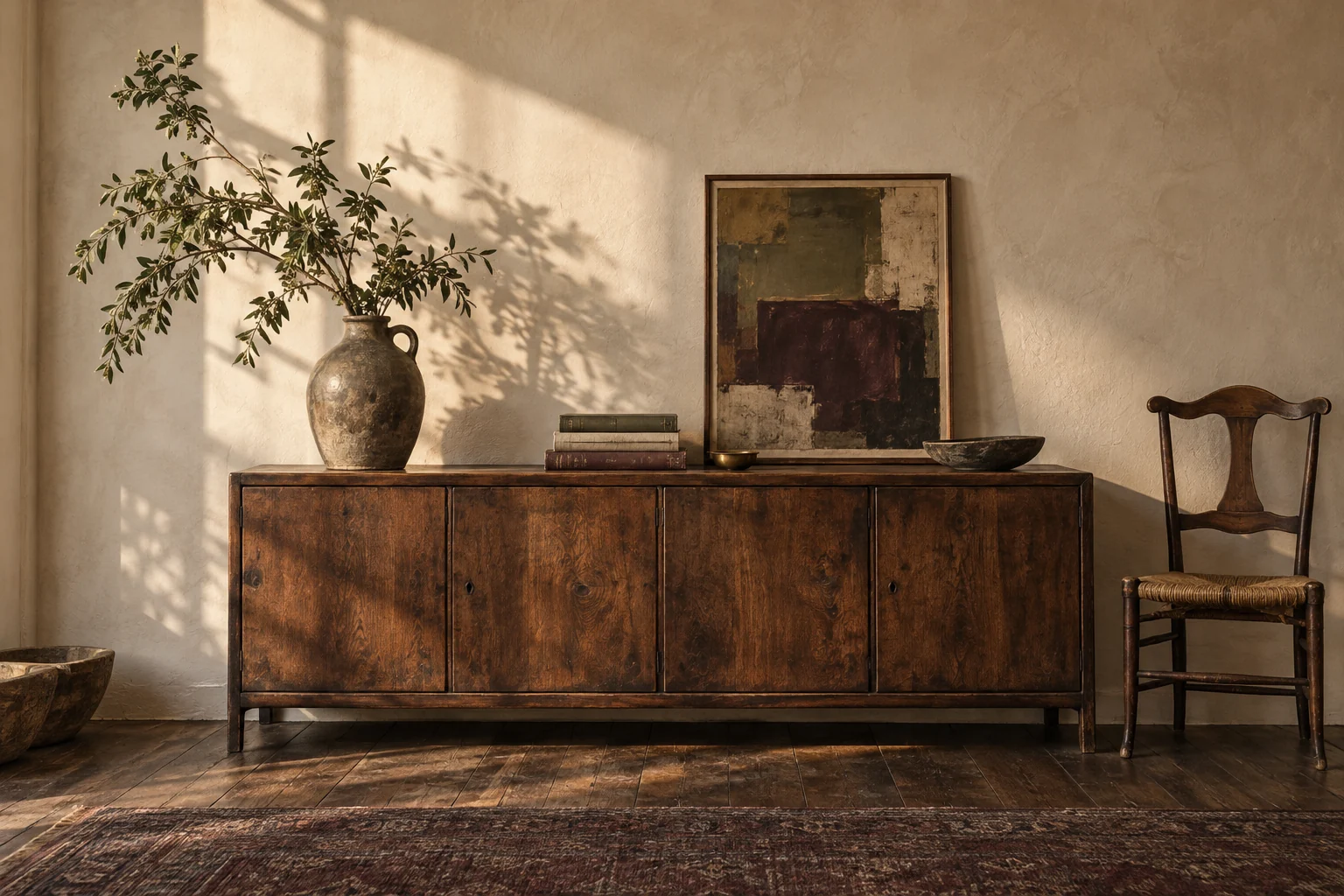
Take your time01The sideboard that earns its space
Look past the long, handsome front and work out what a sideboard will actually hold.
 02
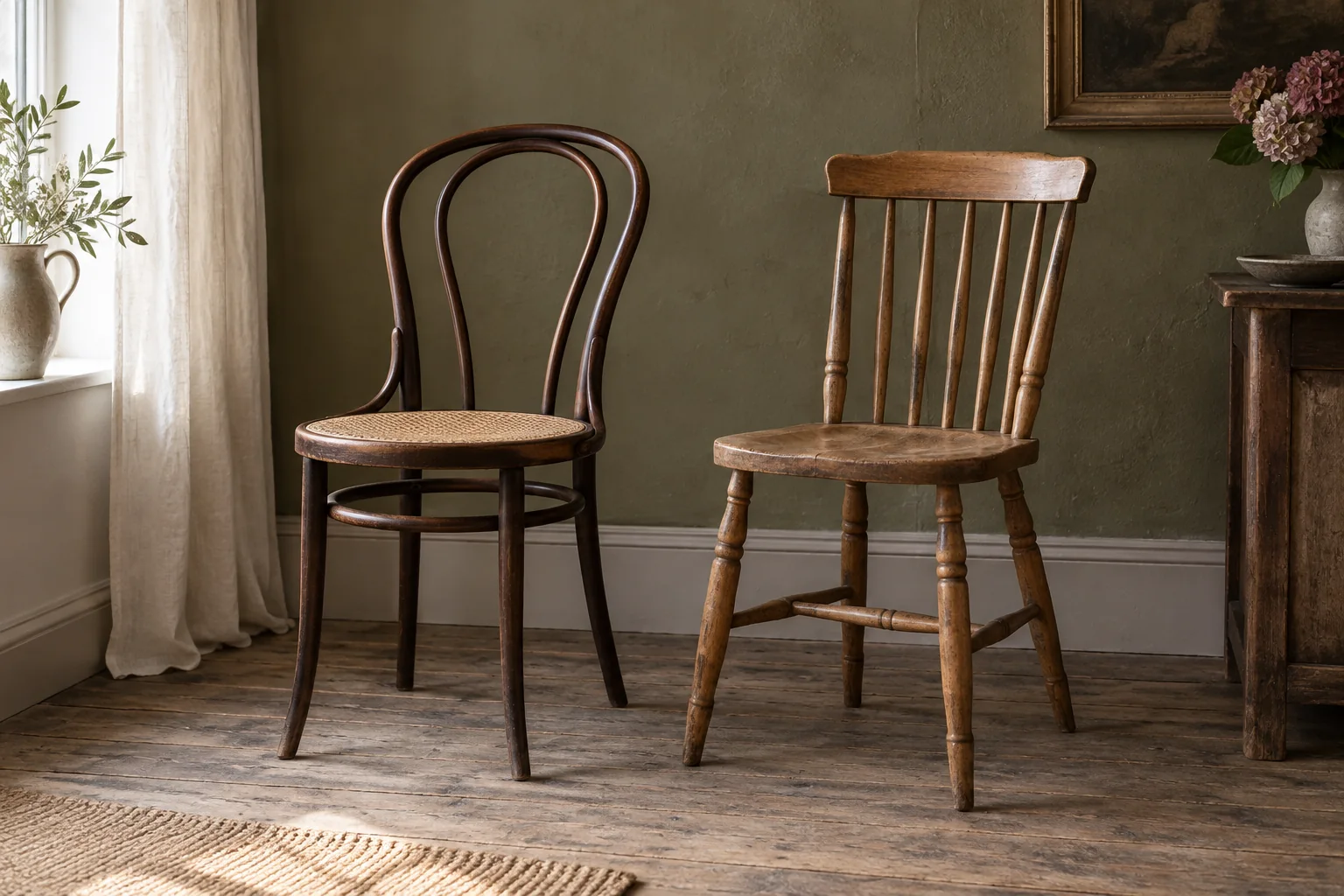
02Dining chairs for long evenings
A chair should still be welcome after the plates have been cleared.
 03
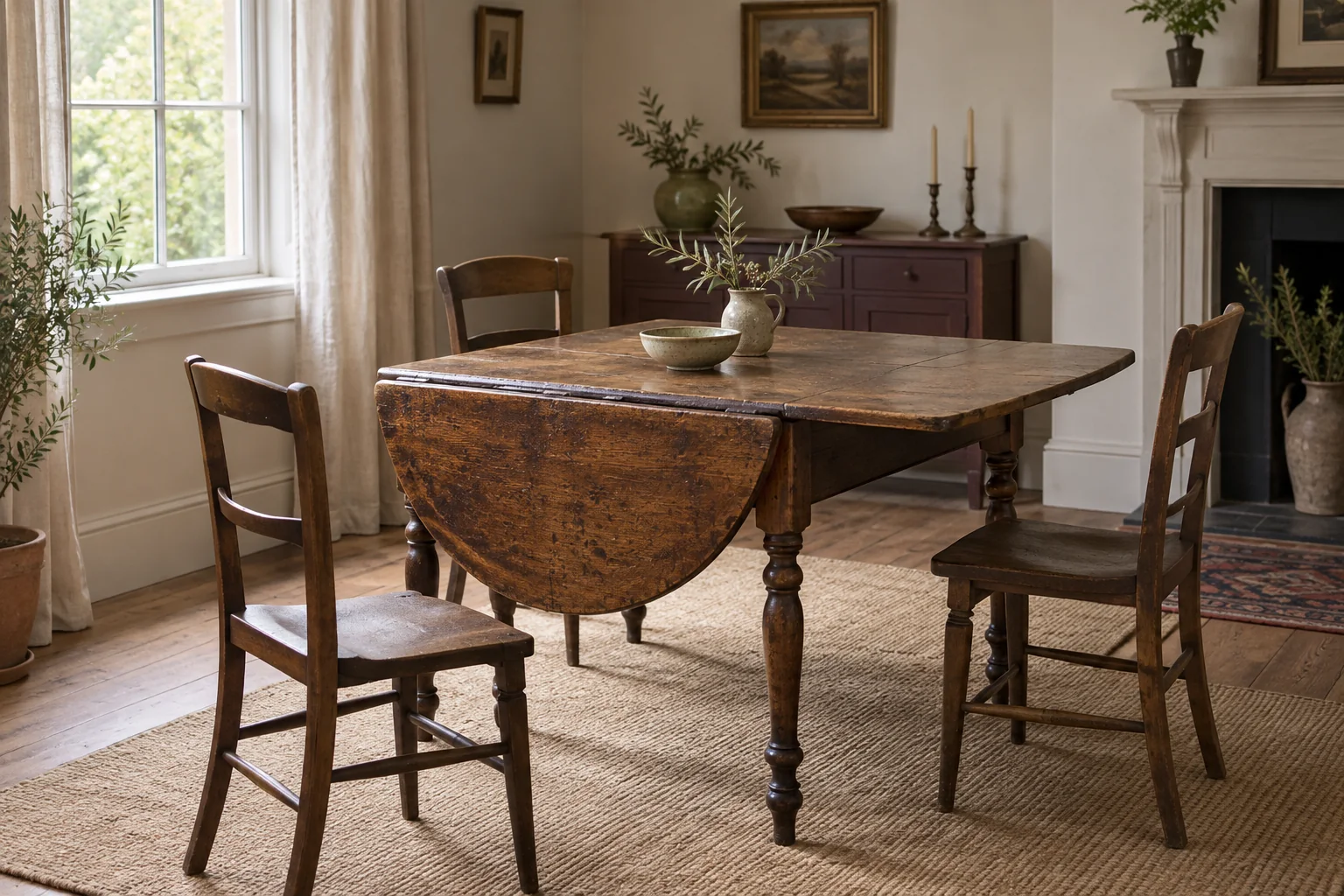
03A small room, a drop-leaf table and enough space for supper
Check the folded shape and the opened table before relying on either.
 04
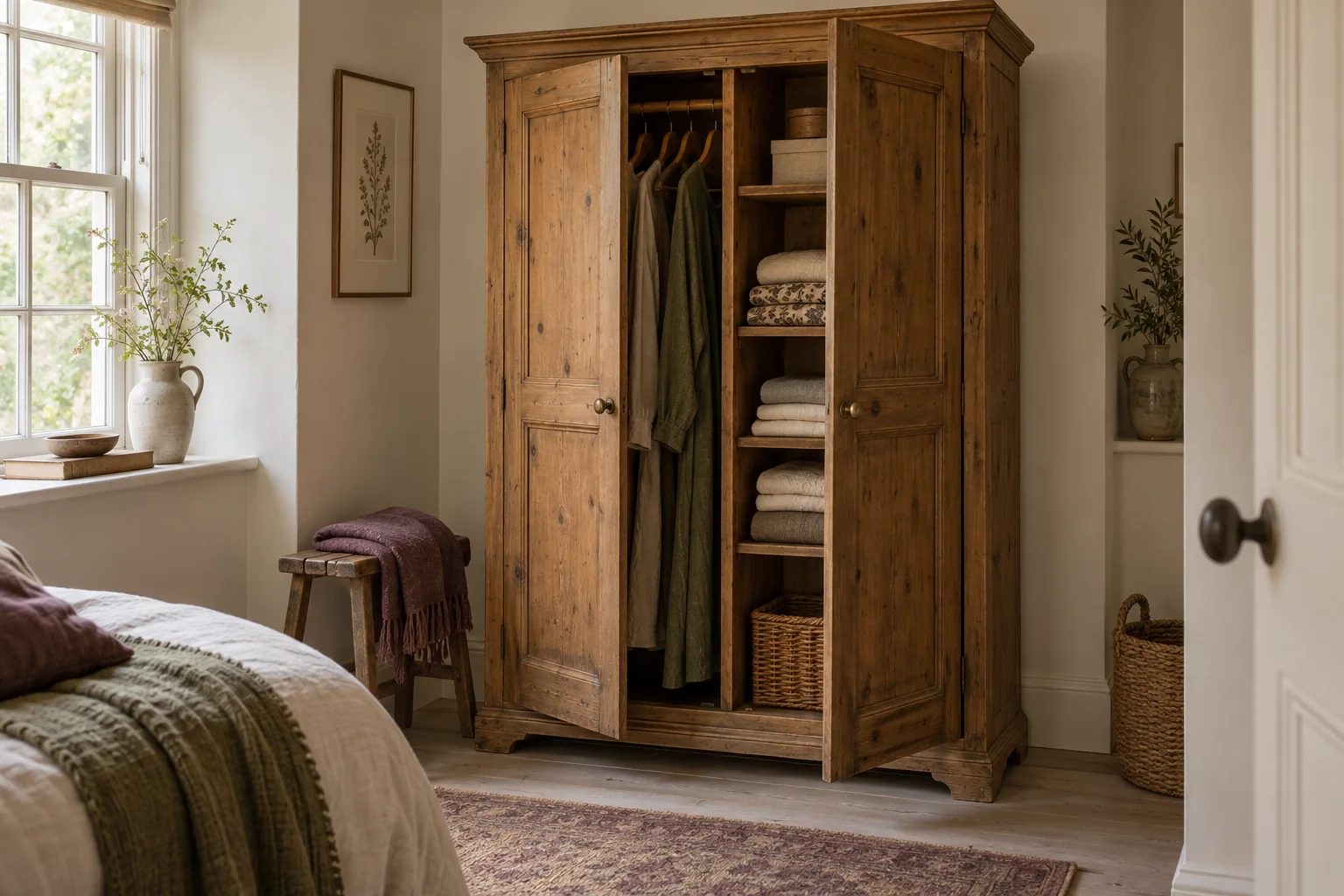
04What a compact vintage wardrobe needs to hold
Check the inside against your clothes before judging the outside against your room.
 05
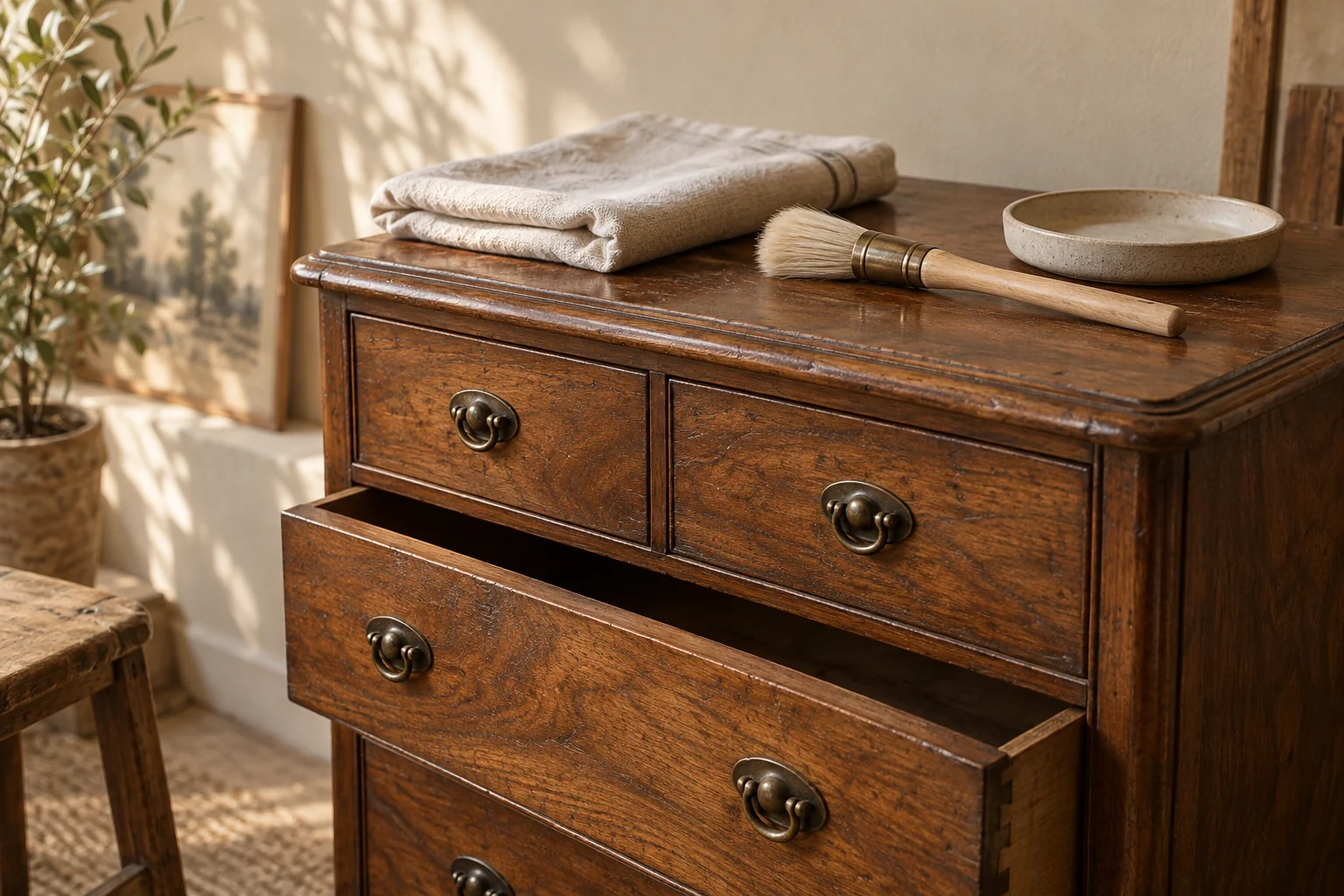
05Before you buy a chest of drawers, open every drawer
The useful details are often hidden behind the most handsome front.
 06
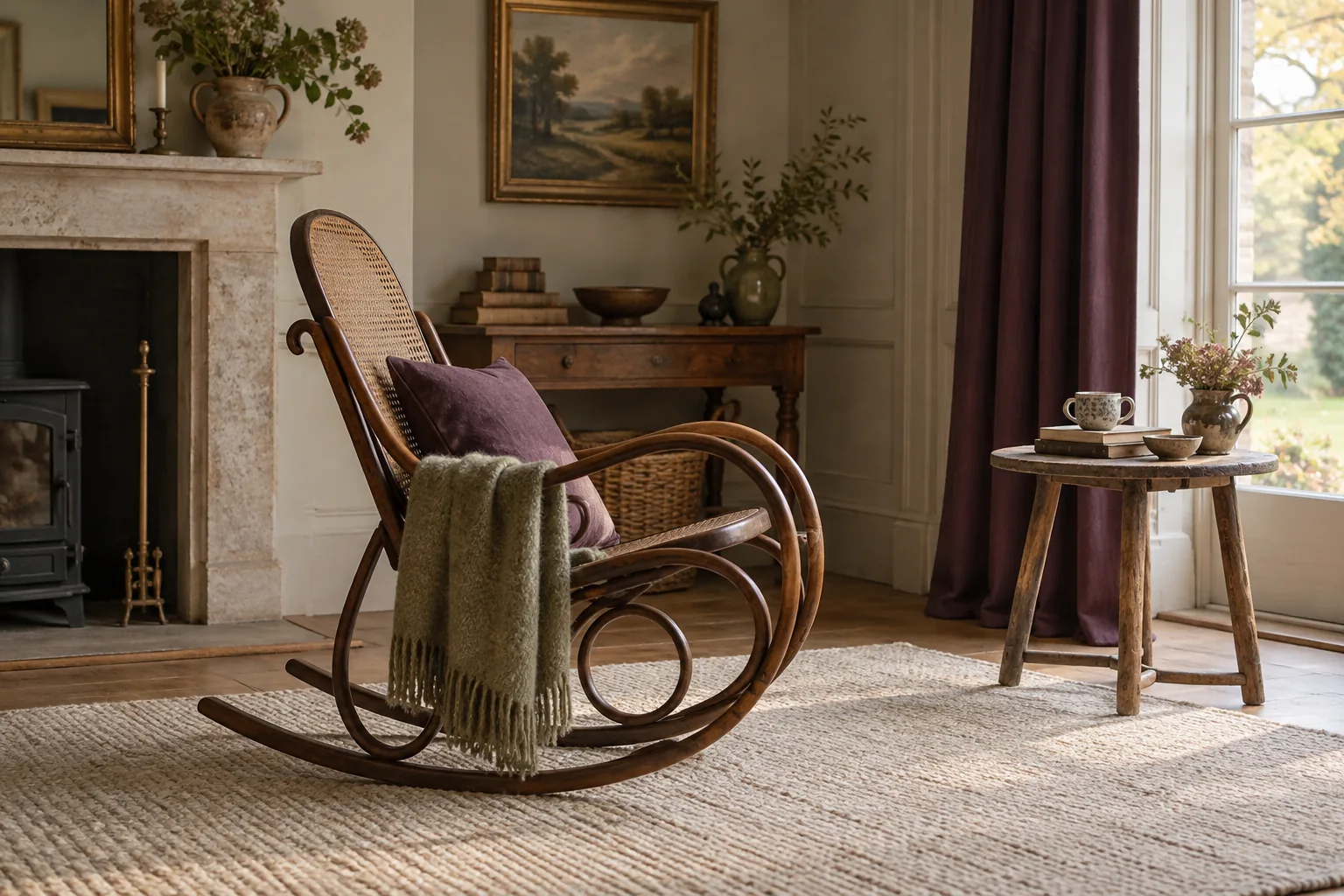
06Does a rocking chair belong in your room?
Its footprint is only the beginning: a rocker needs room to move and a reason to stay.
 07
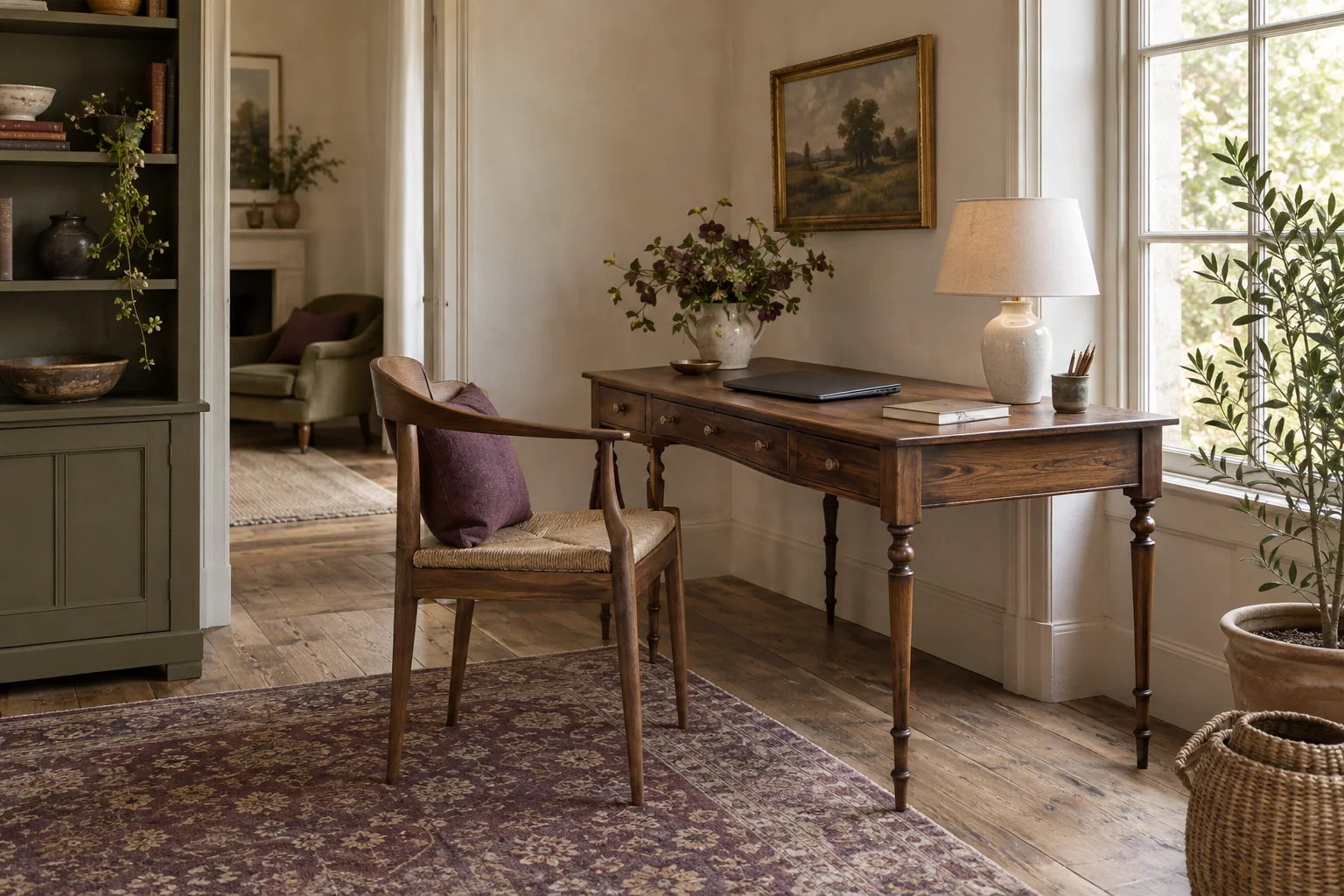
07Can a vintage desk handle a modern working day?
A good-looking writing desk still needs room for your knees, screen and cables.
 08
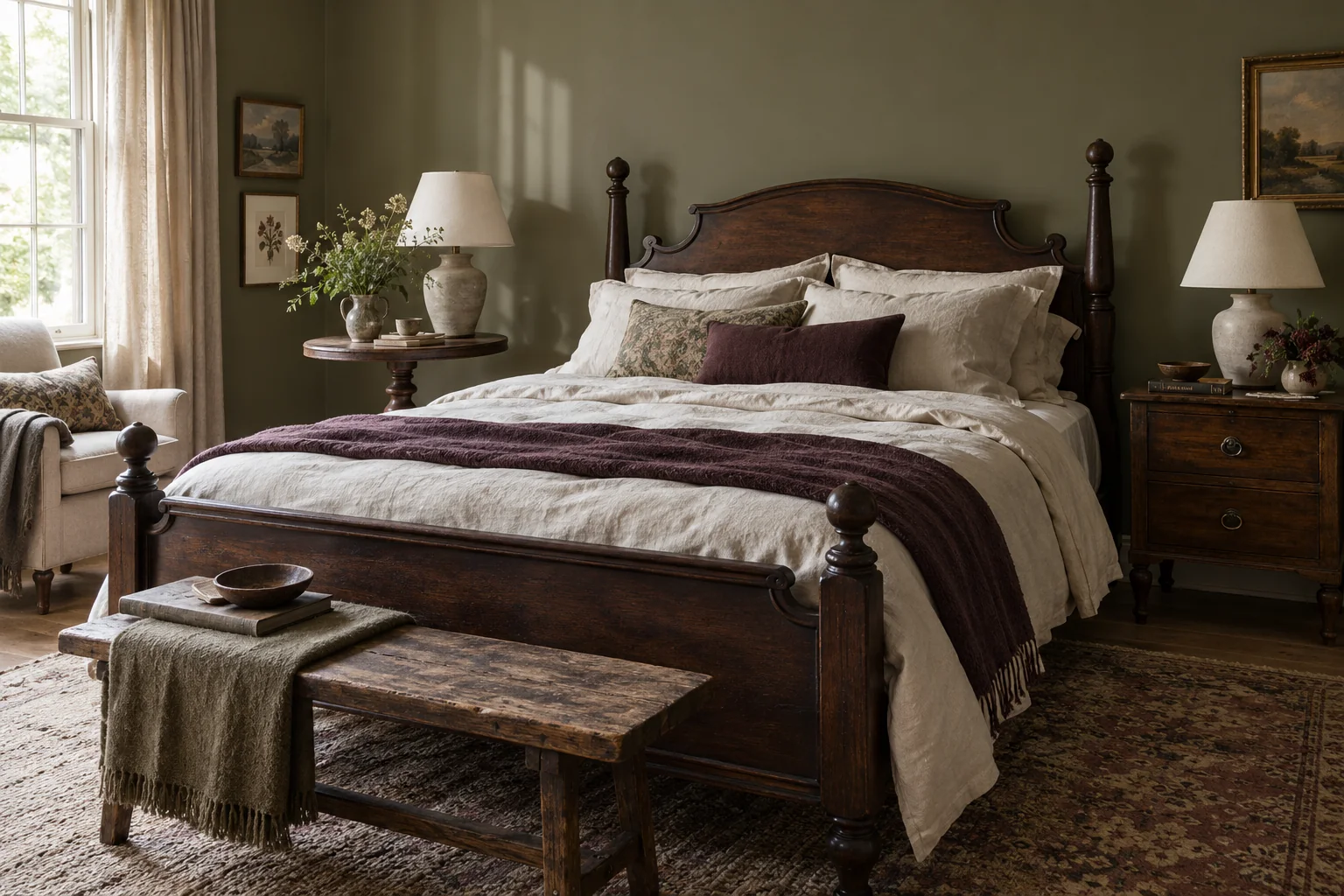
08The measurements a vintage bedframe listing should include
A familiar size label is not enough when the frame and mattress were made in different circumstances.
 09
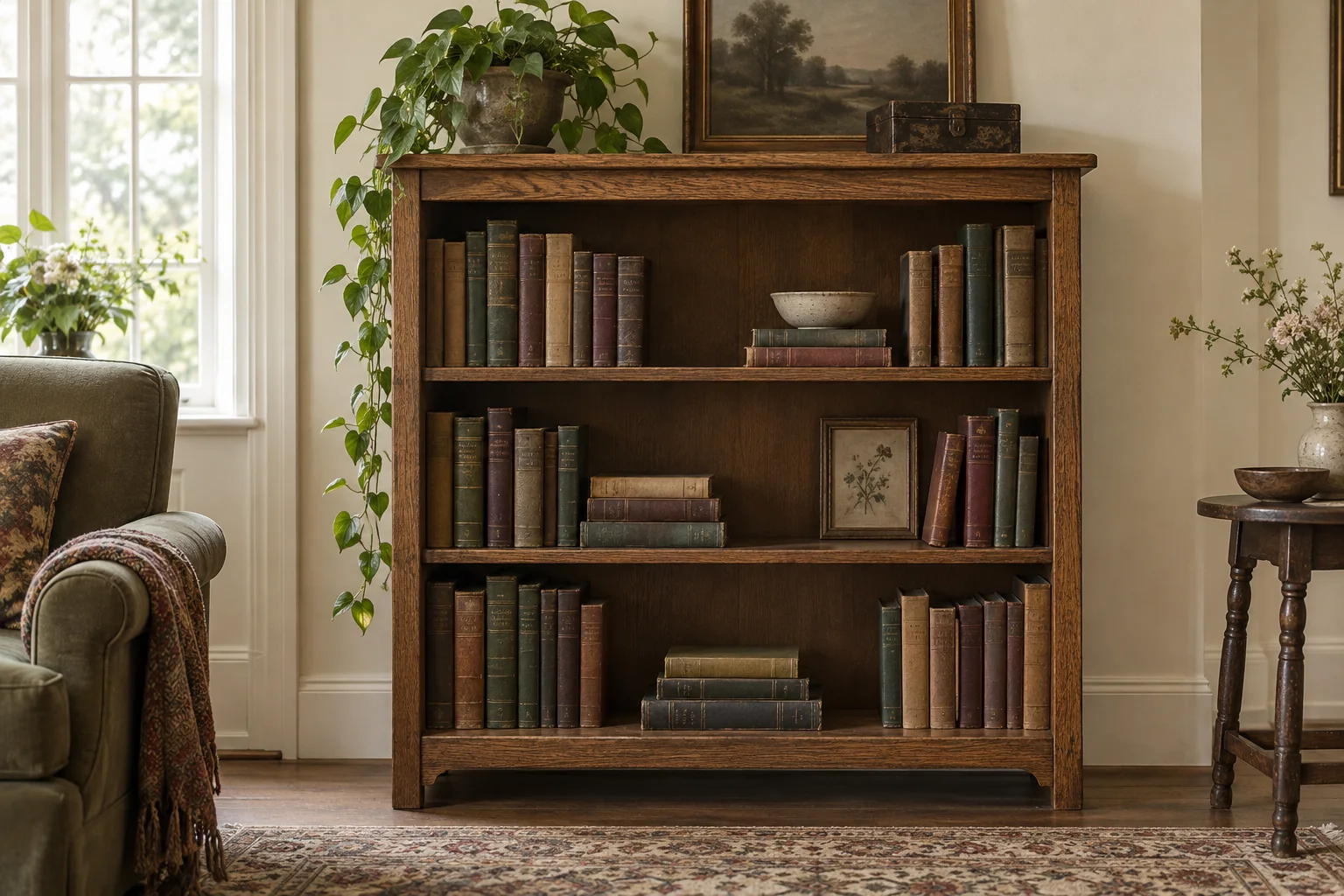
09A bookcase for the books you actually own
Shelf depth, usable height and access matter more than a perfectly styled arrangement.
 10
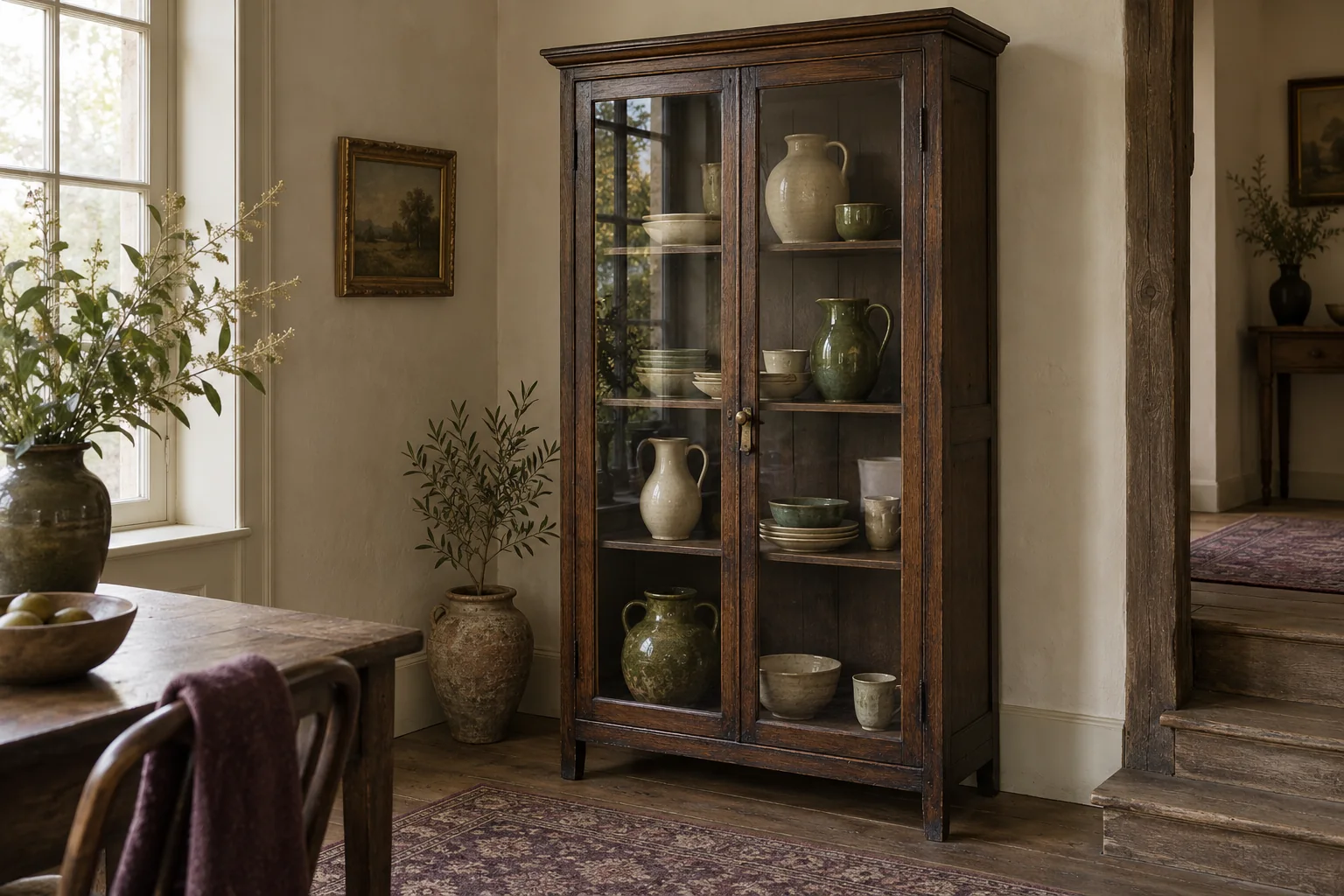
10The kitchen dresser without the clutter
Choose a dresser around the things you reach for and the things you want to see.
 11
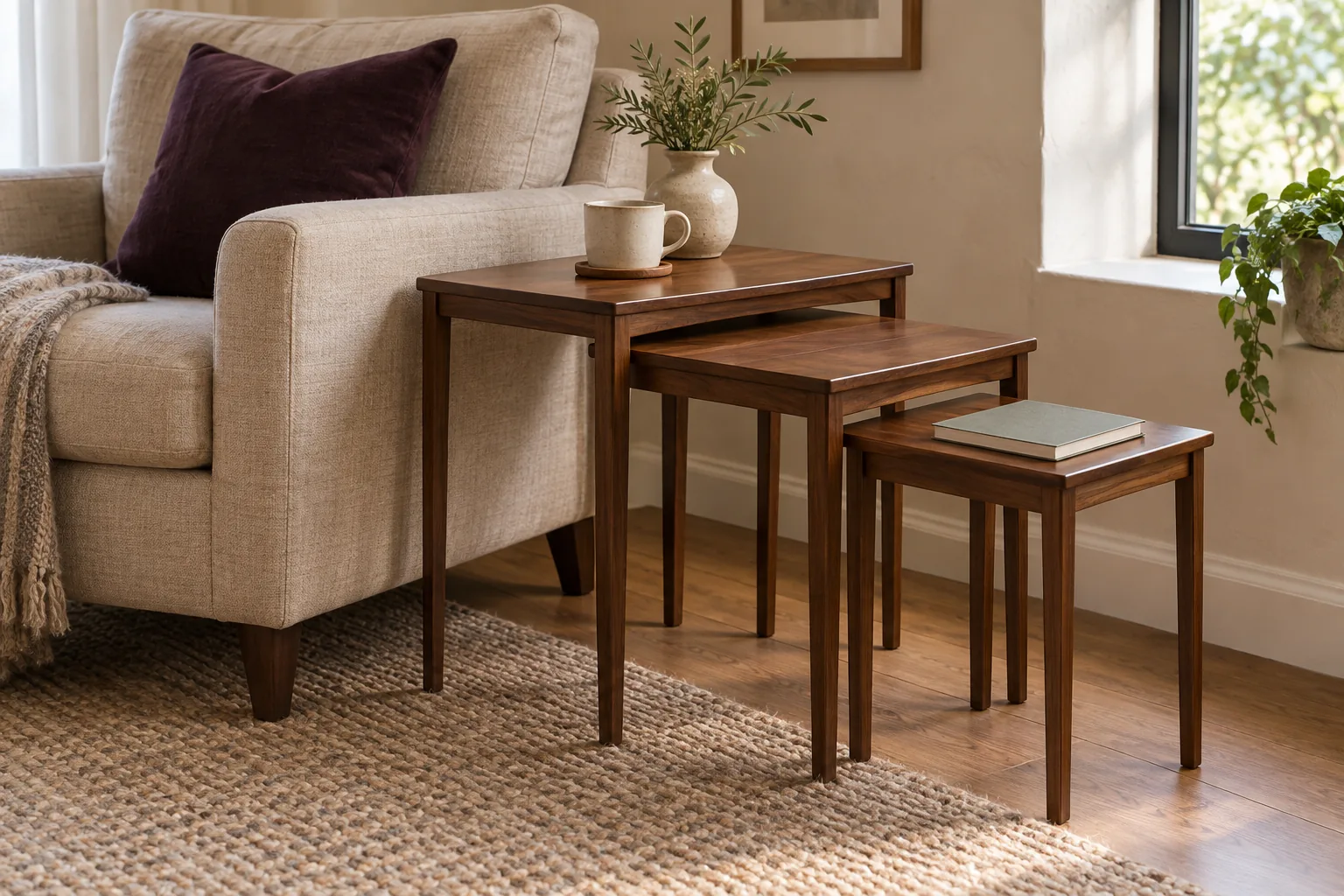
11Nesting tables deserve to come out of the corner
Assess the smaller tables as carefully as the one that hides them.
 12
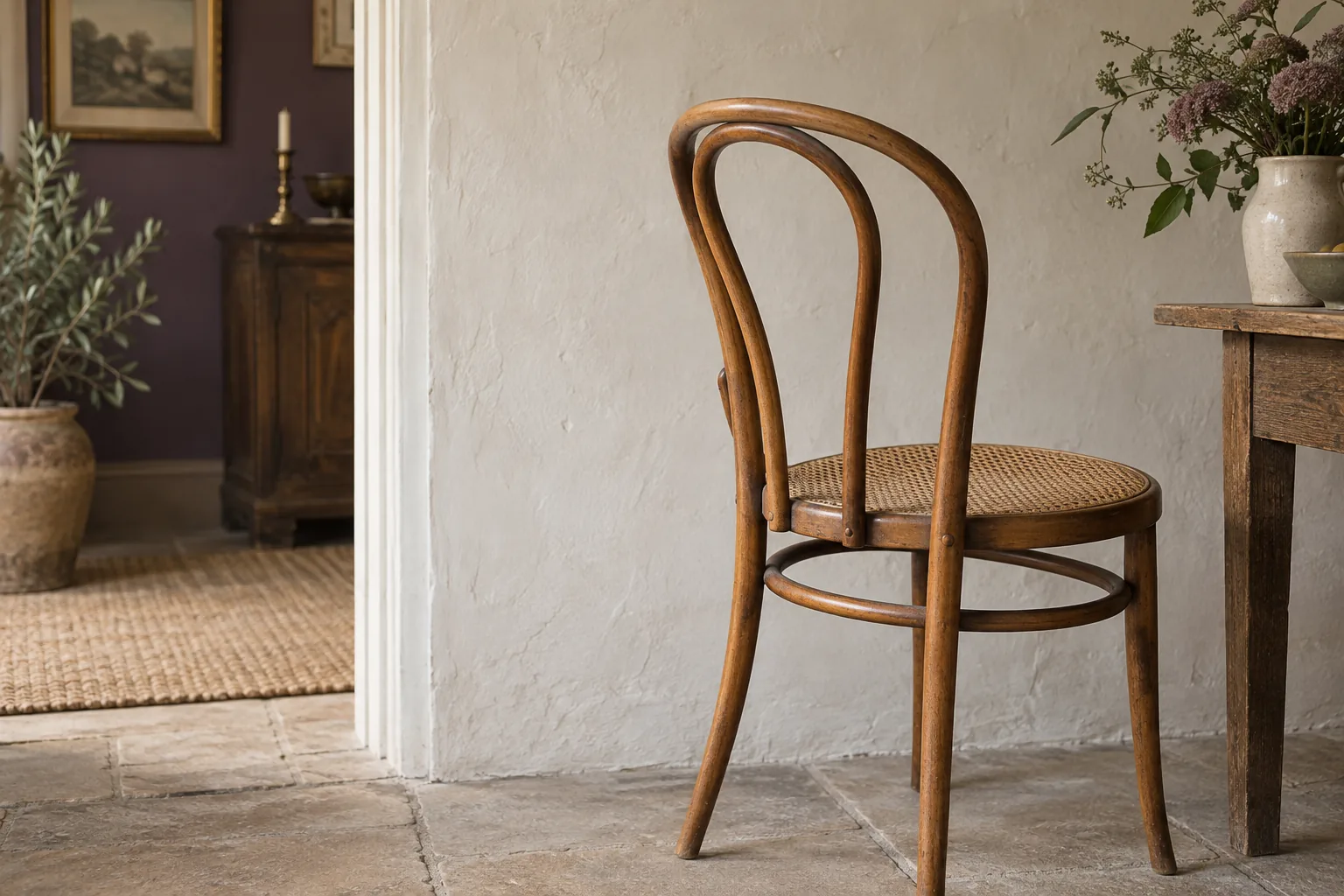
12Choosing a bentwood chair without chasing a label
Start with the curve, the seat and the condition; investigate an attribution separately.
 13
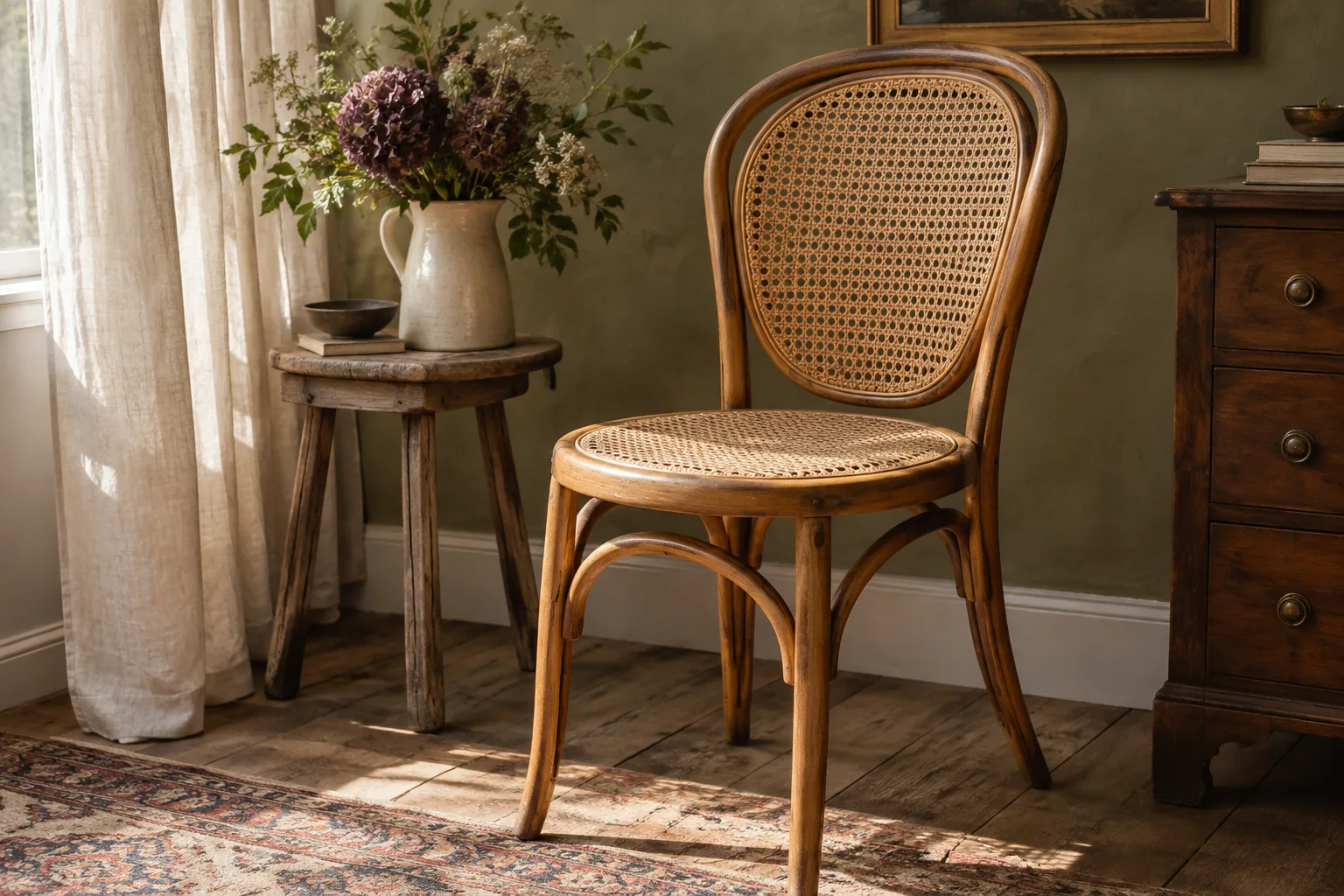
13The appeal—and the practical questions—of a cane chair
A woven seat brings visual lightness, but its condition needs a close look.
 14
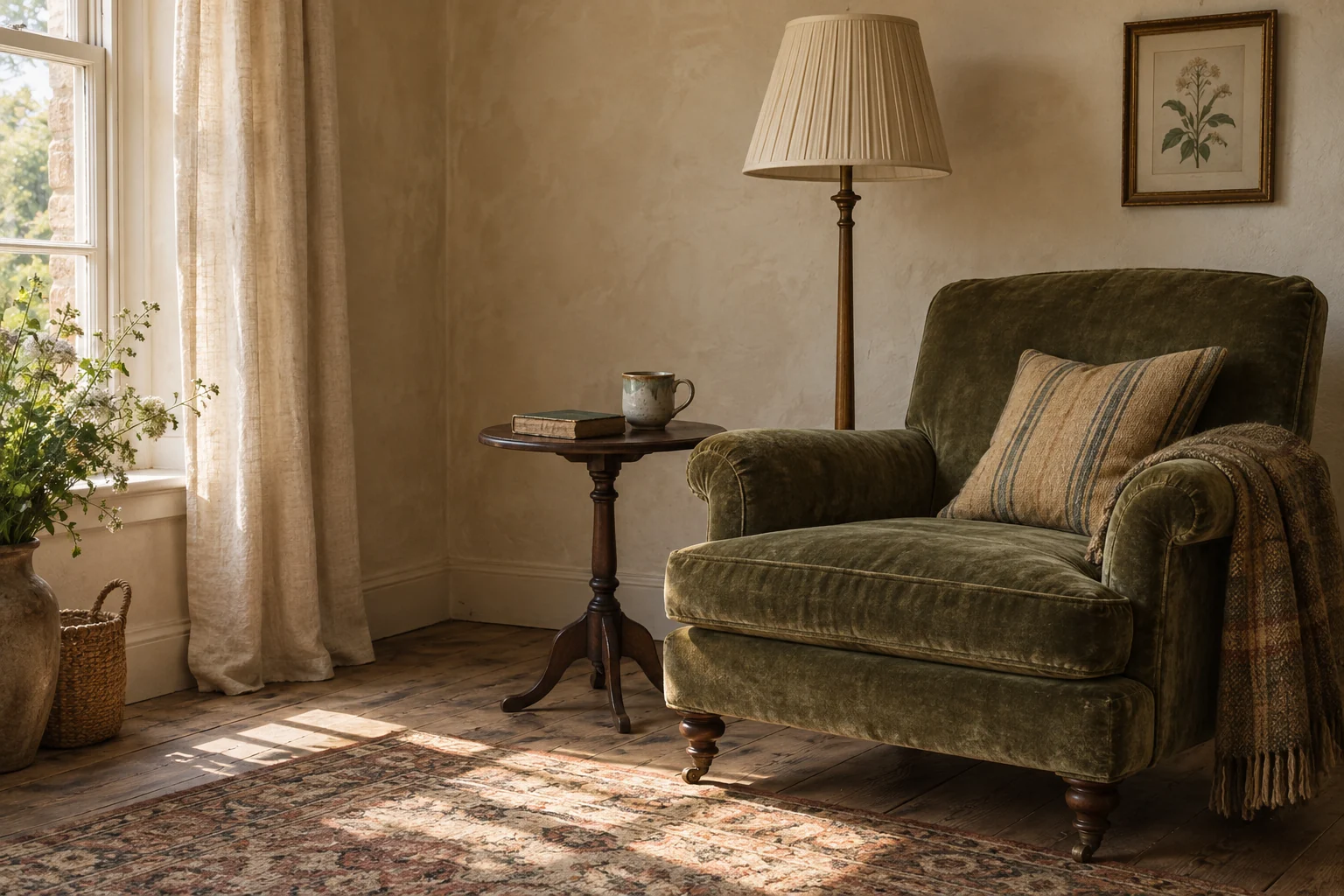
14An upholstered armchair is more than its fabric
Look beneath an appealing cover before deciding that a chair is the one.
 15
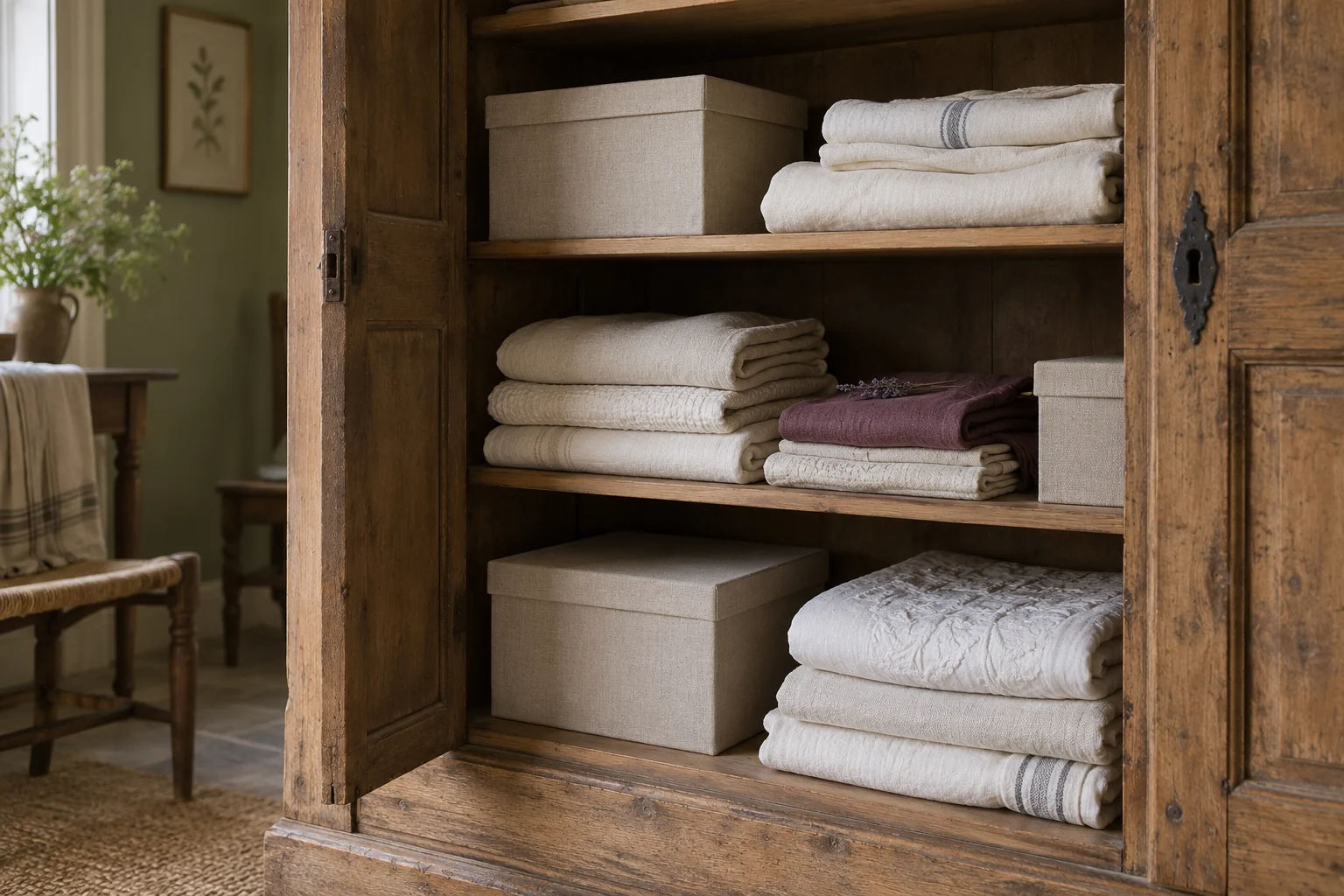
15A linen cupboard with a place for everything
Use shelf spacing and access to keep folded textiles from becoming an anonymous pile.
 16
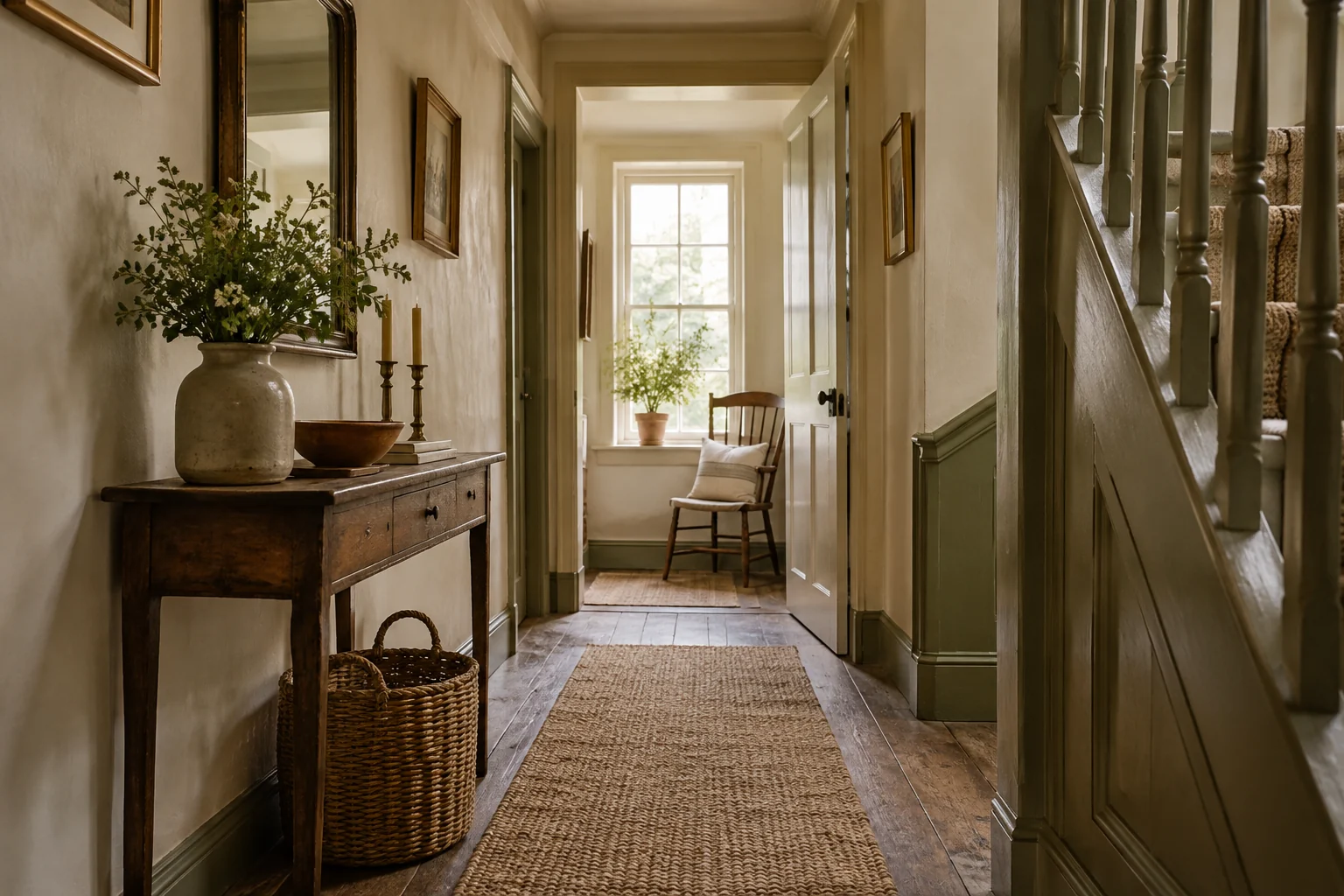
16Give a hall console a real job
A narrow table should make arrivals easier, not simply fill an empty wall.
 17
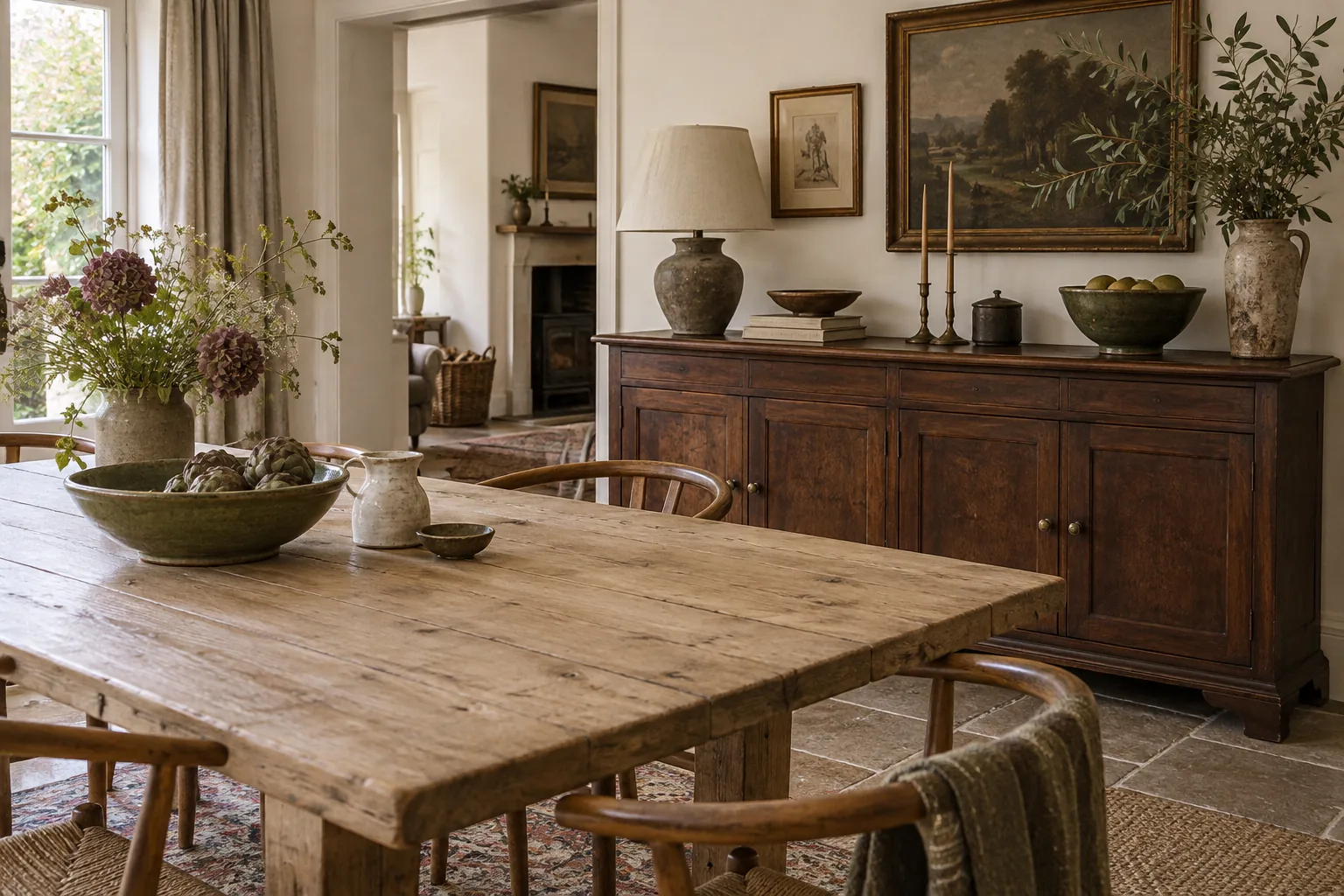
17Can oak and walnut share a room?
Compare the colours in front of you rather than relying on timber names.
 18
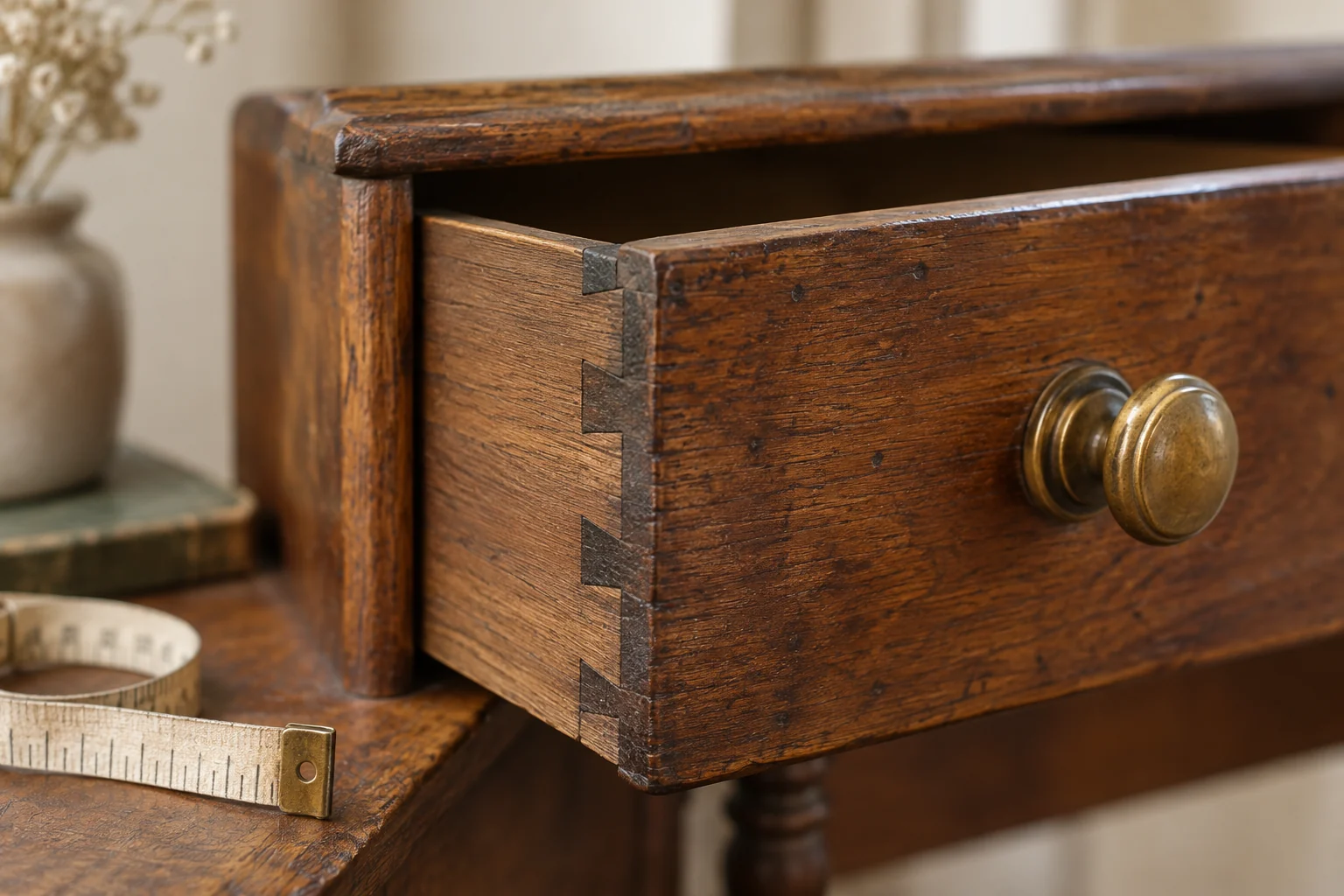
18What to notice on a veneered cabinet
An appealing patterned surface deserves inspection, not an automatic rejection.
 19
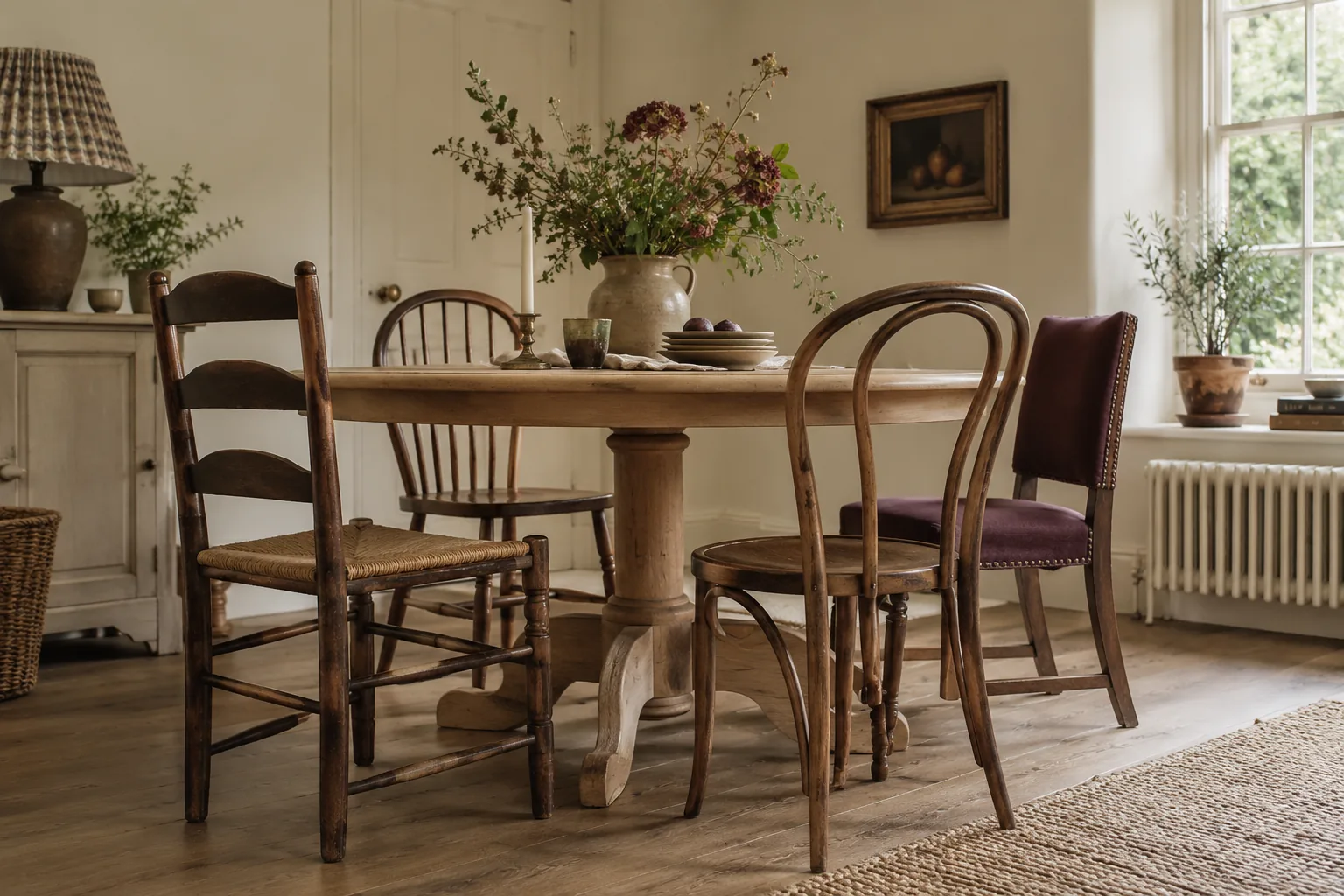
19Mismatched dining chairs that still belong together
Give a varied group one or two clear connections, then let the differences remain.
 20
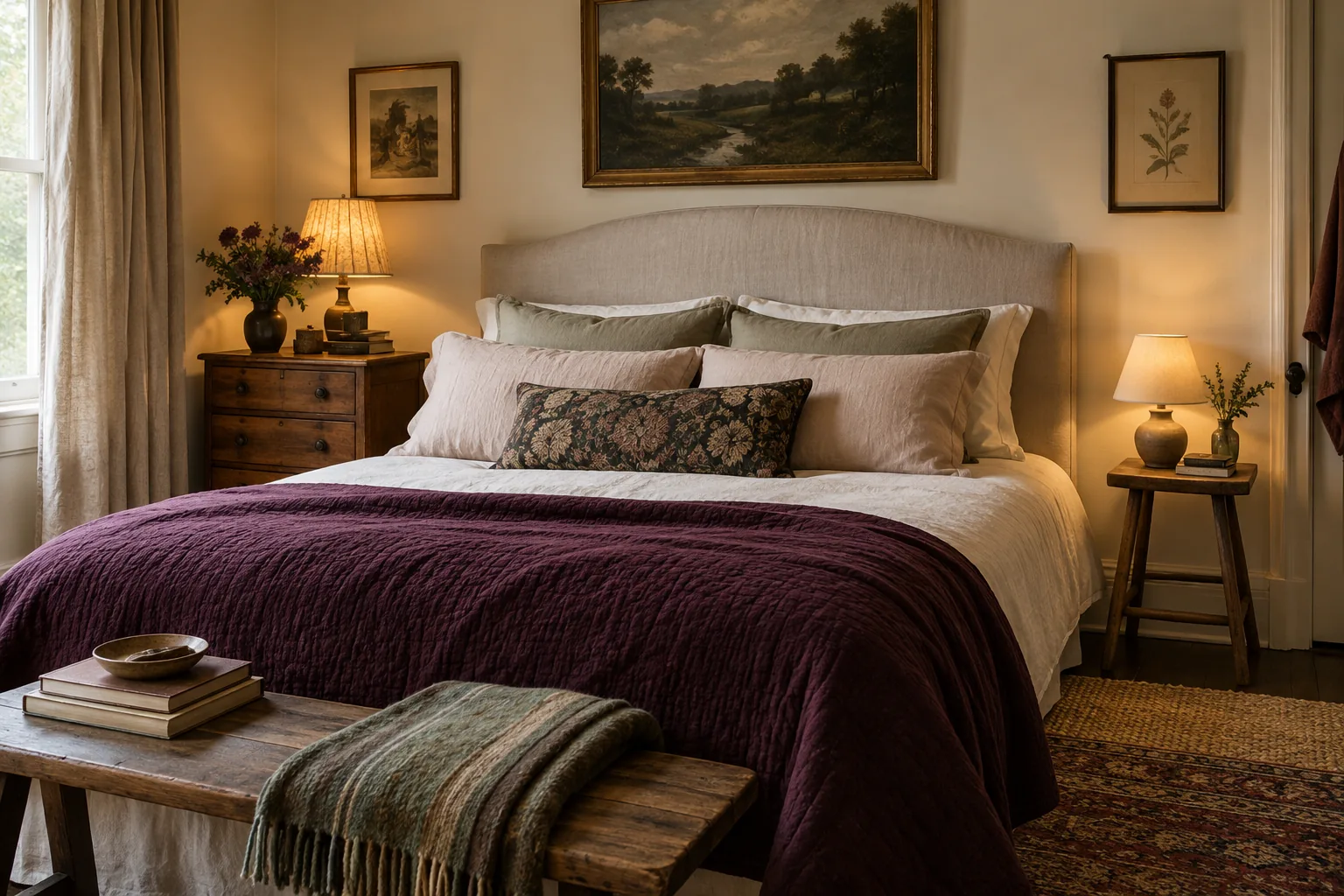
20Bedside furniture without the matching pair
Small chests, tables and stools can work, provided each side of the bed has what it needs.
 21
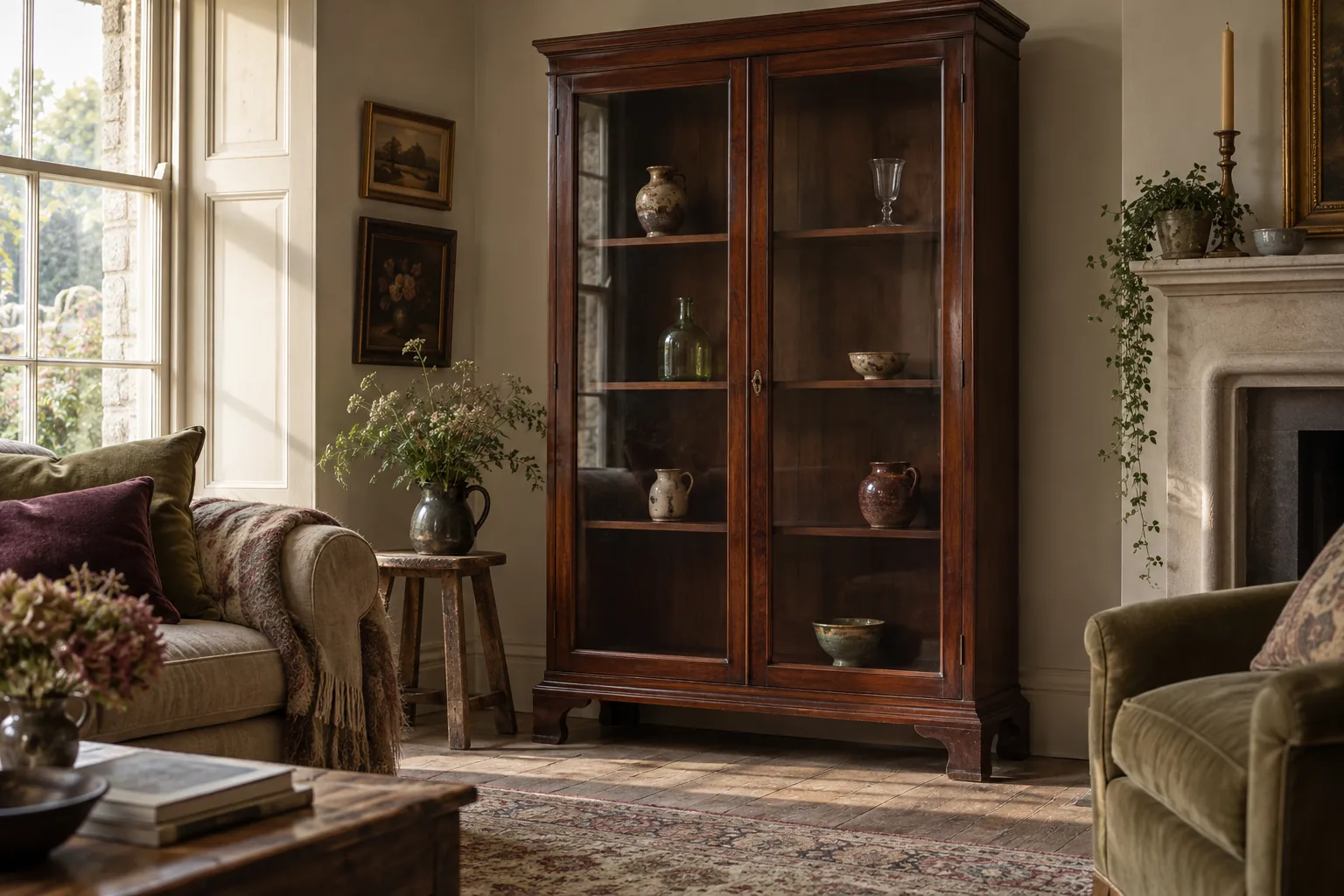
21A display cabinet for a collection that is still growing
Choose the interior around your objects, and leave room to see them.
 22
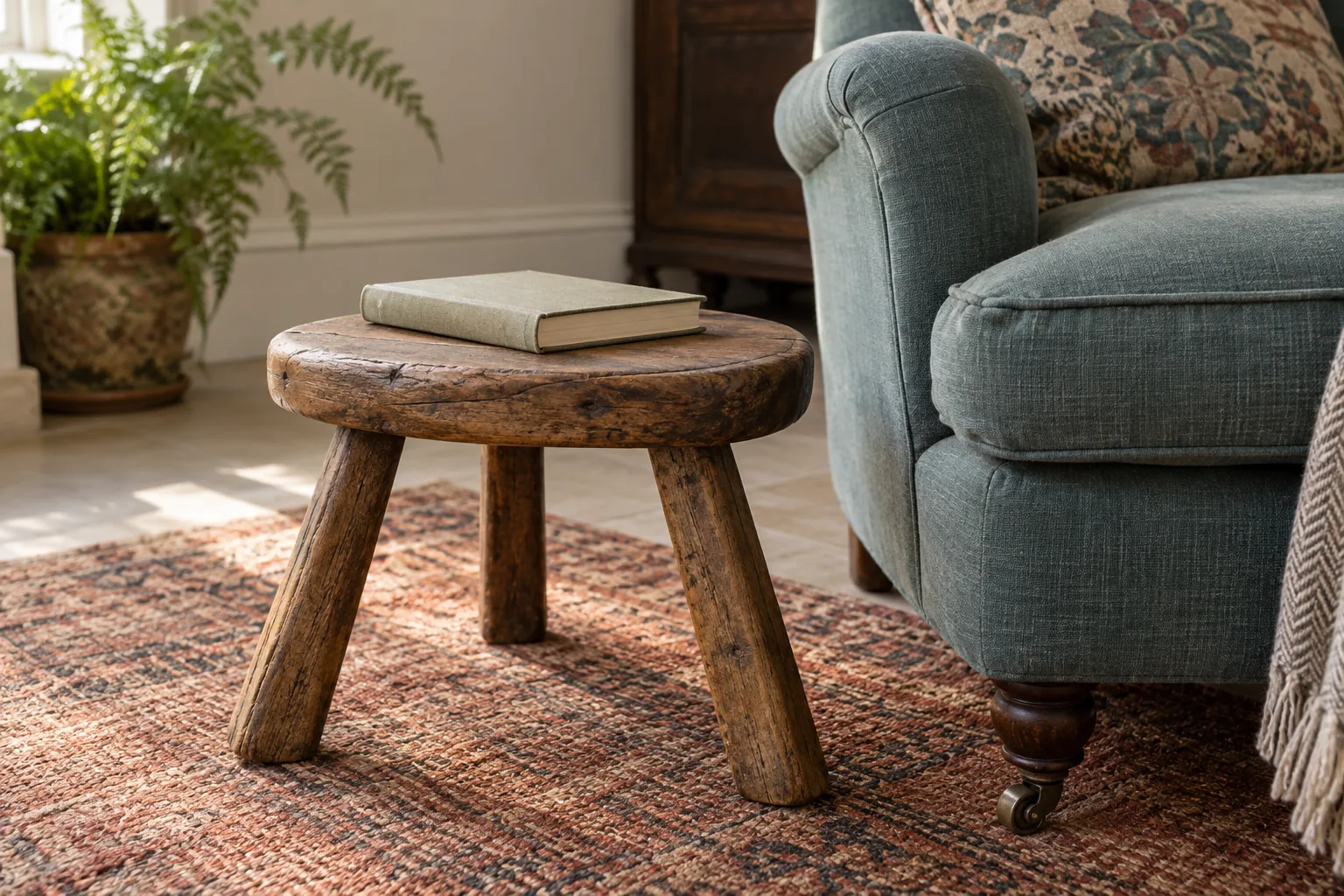
22The small stool and its many possible jobs
A useful little piece still needs a clear distinction between seating, display and access.
 23
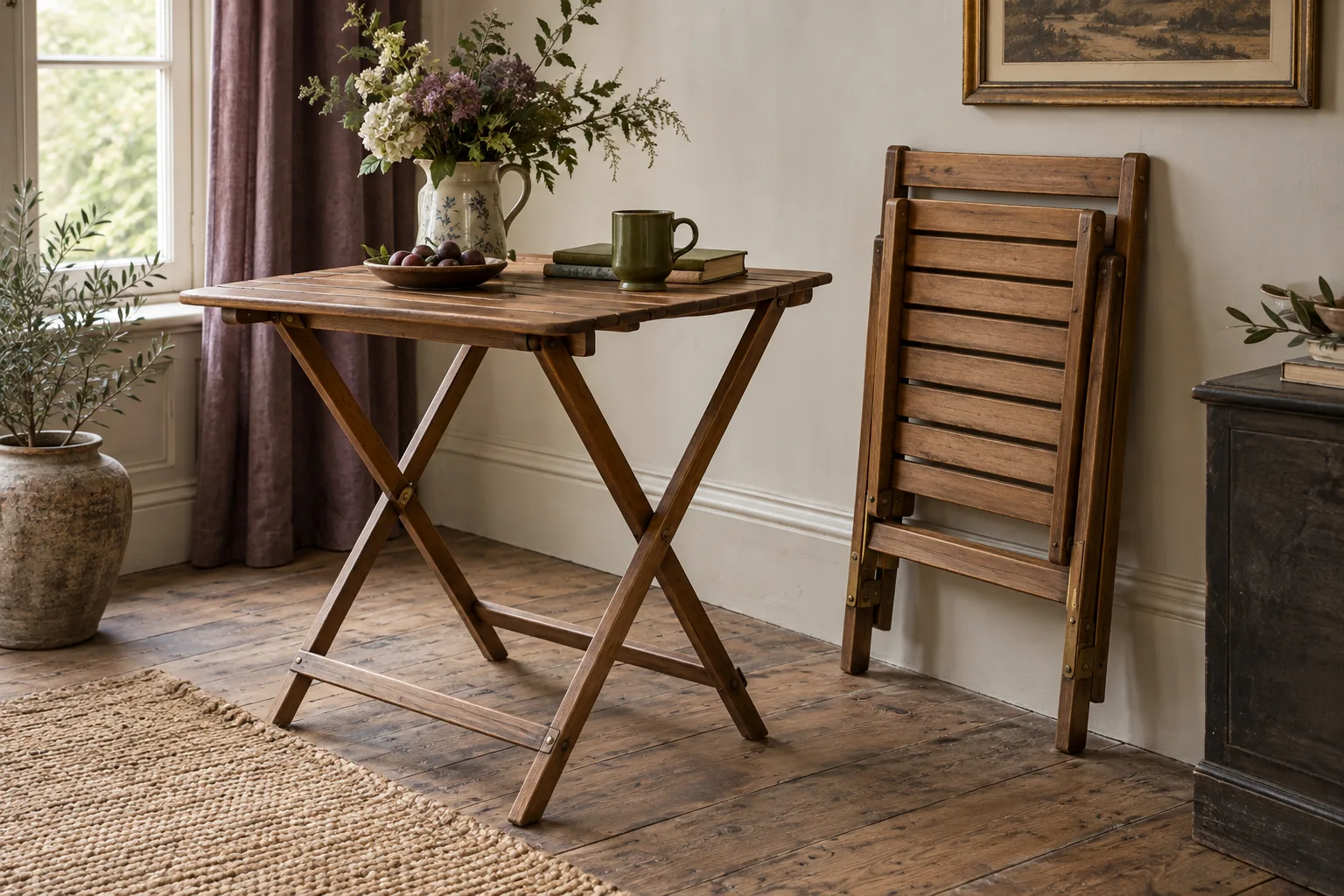
23Folding furniture worth unfolding
Convenient storage only counts when the furniture is easy and dependable to use.
 24
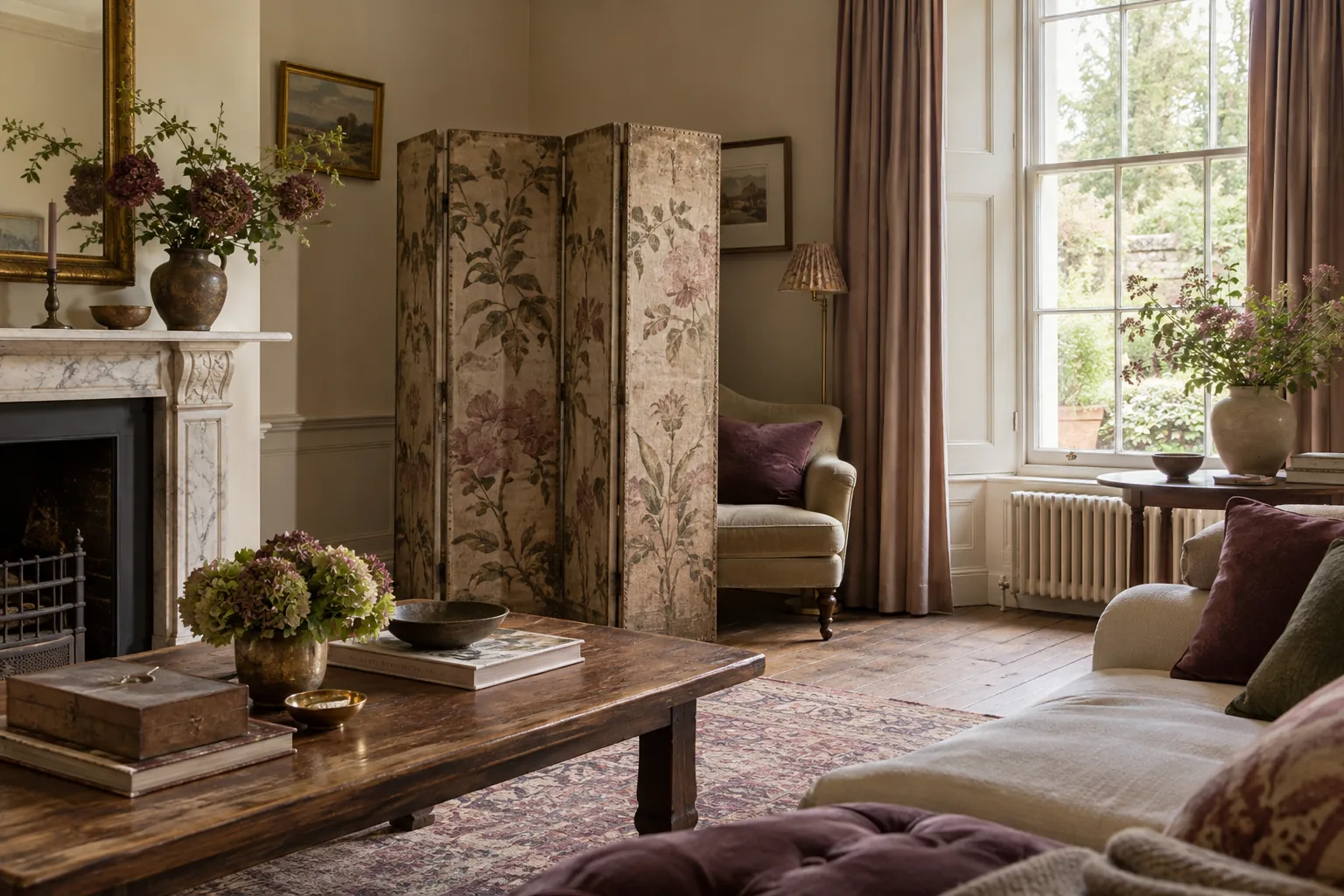
24A folding screen that changes the room
Use a screen to shape a view, create a corner or soften an awkward boundary.
 25
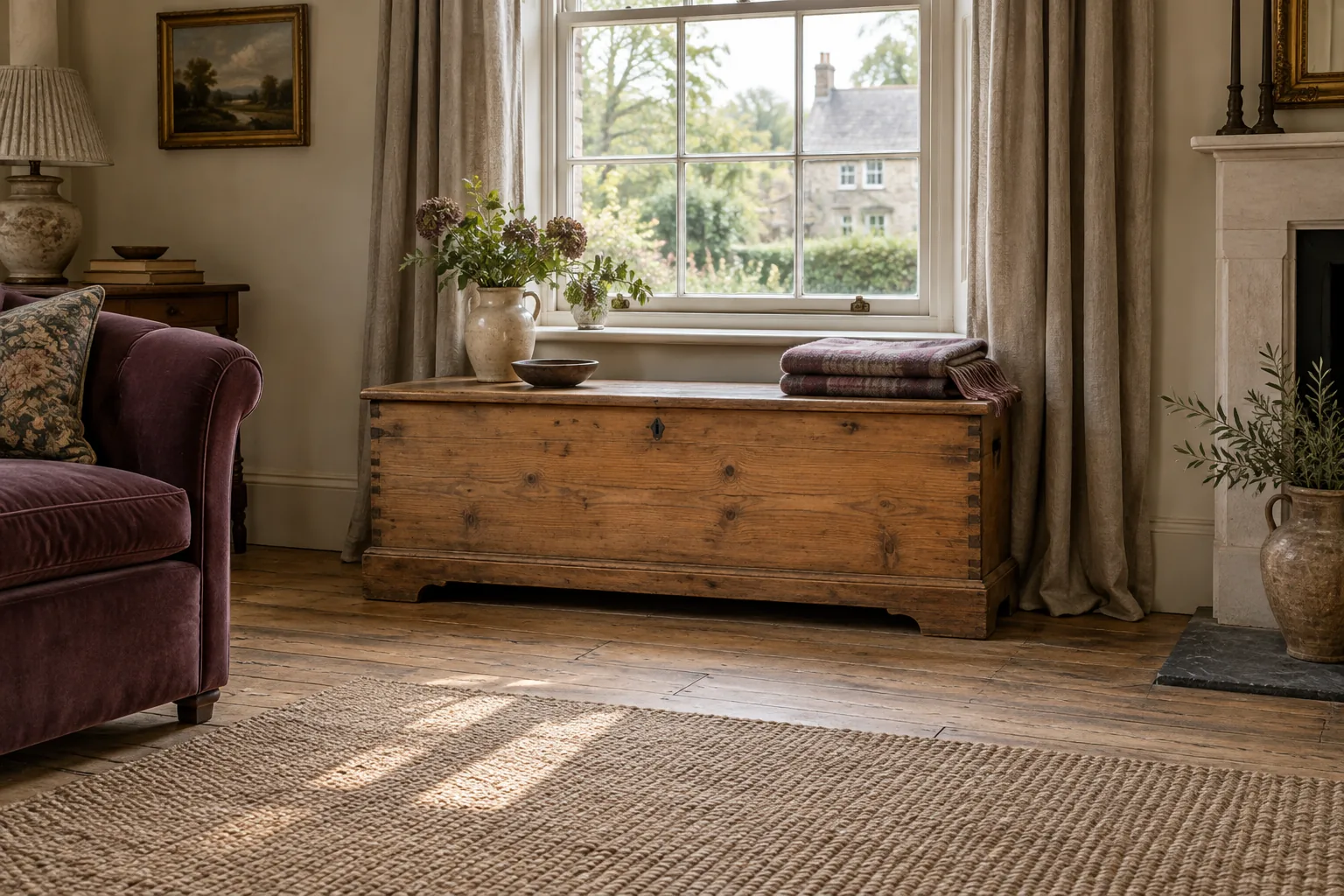
25A blanket chest beyond the foot of the bed
Useful storage depends on a lid you can open and contents you can reach.
 26
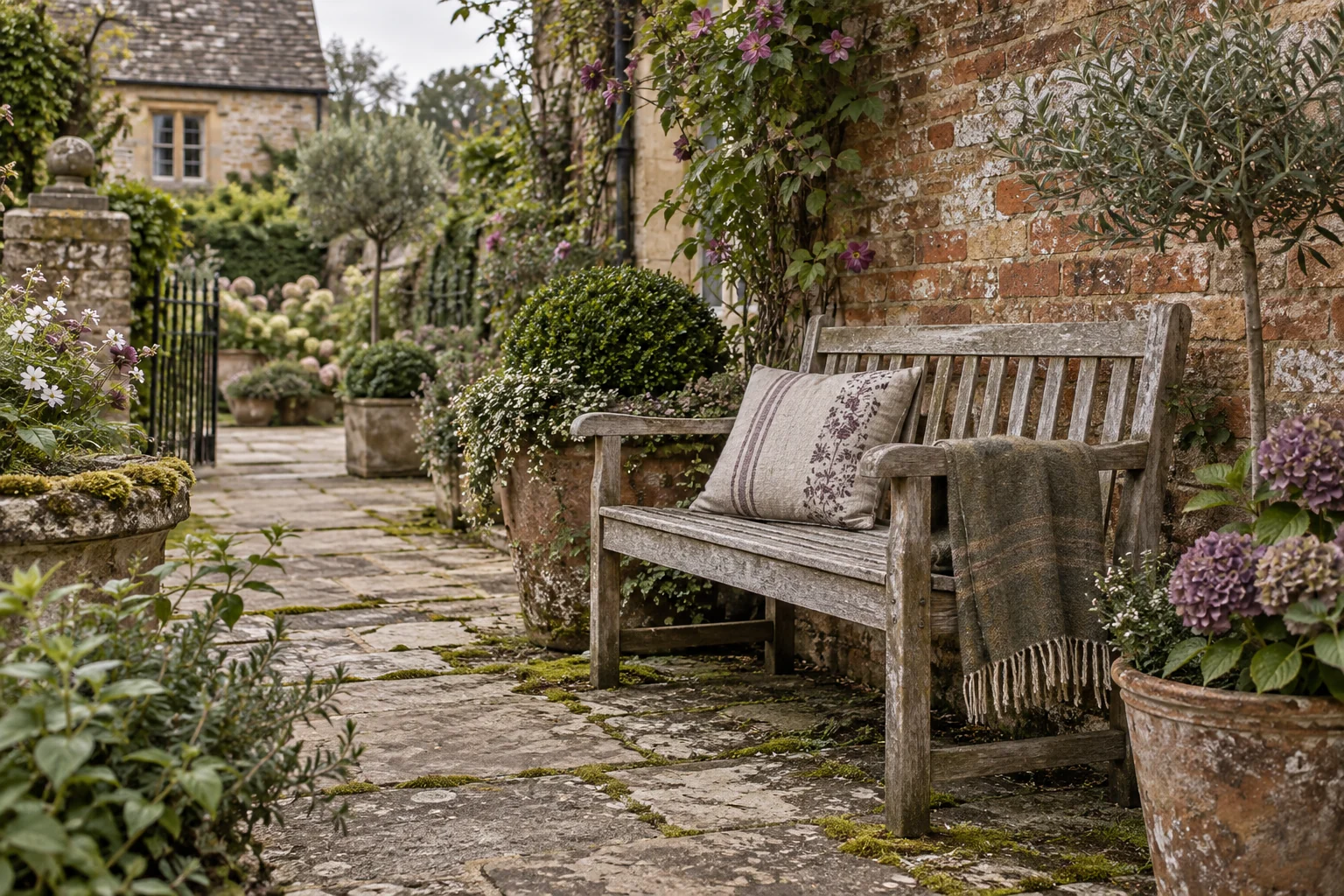
26Before a vintage garden seat goes outside
Decide whether the piece is ready for sitting, suitable for exposure and worth maintaining.
 27
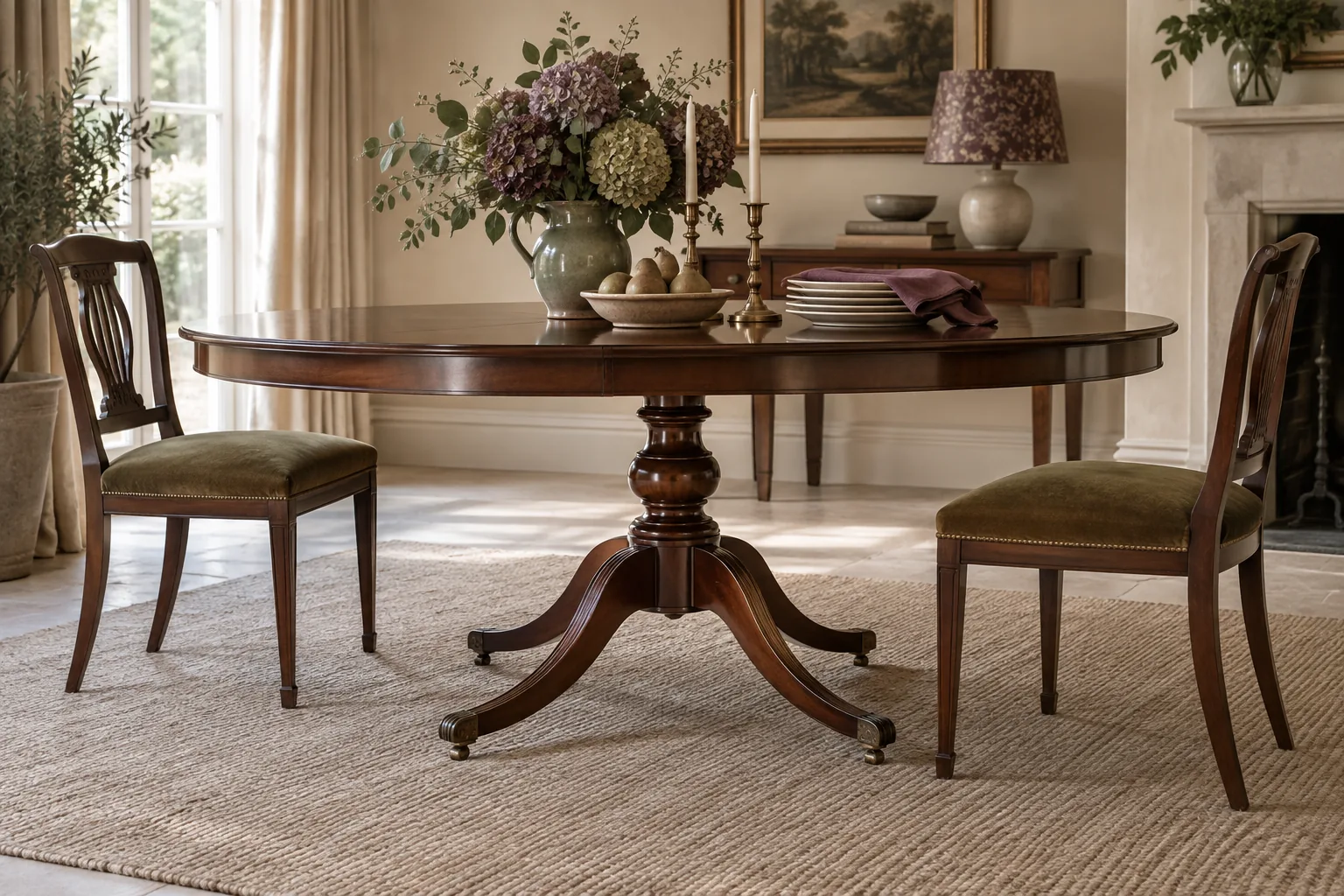
27Pedestal dining tables: the space beneath matters
A central support can free the edges, but its feet still need somewhere to go.
 28
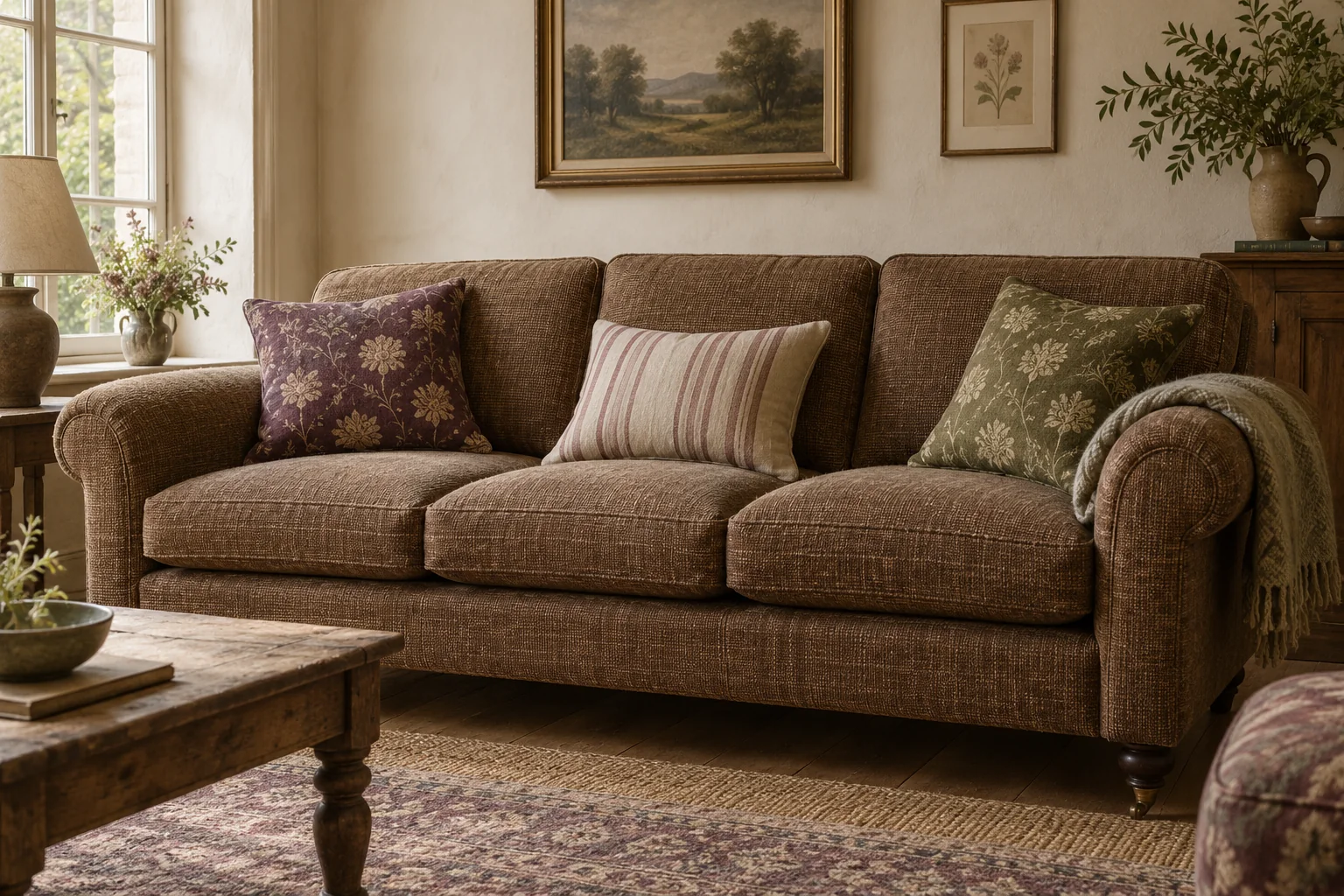
28Buying a vintage sofa without falling for the photograph
Settle the sitting position, condition and delivery route before choosing the fabric.
 29
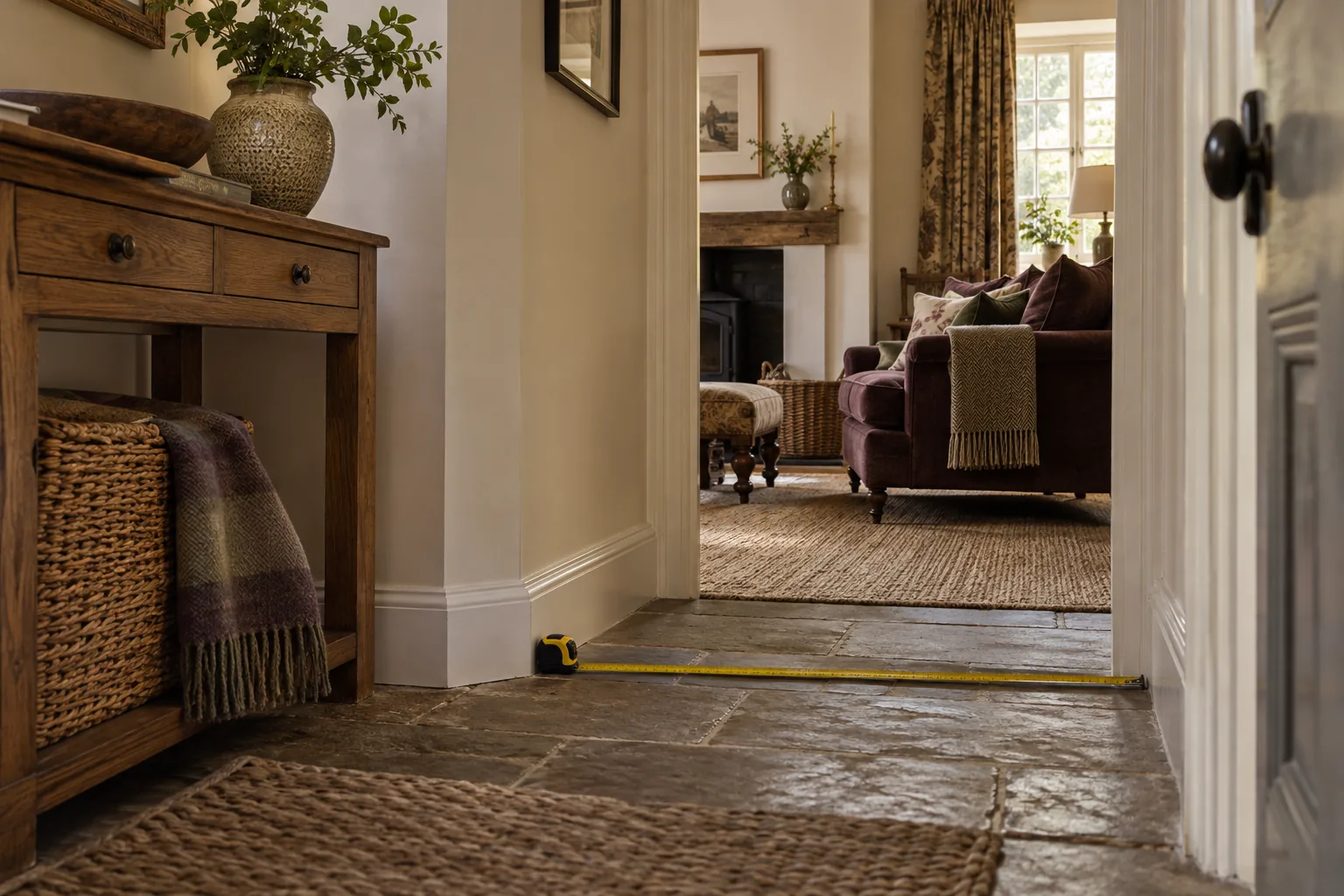
29Measure the journey, not just the empty wall
The awkward turn before the front room can matter more than the space inside it.