Care & Keeping
Looking after old things often means doing less. Understand the surface, notice changes and make thoughtful choices before reaching for a product or tool.
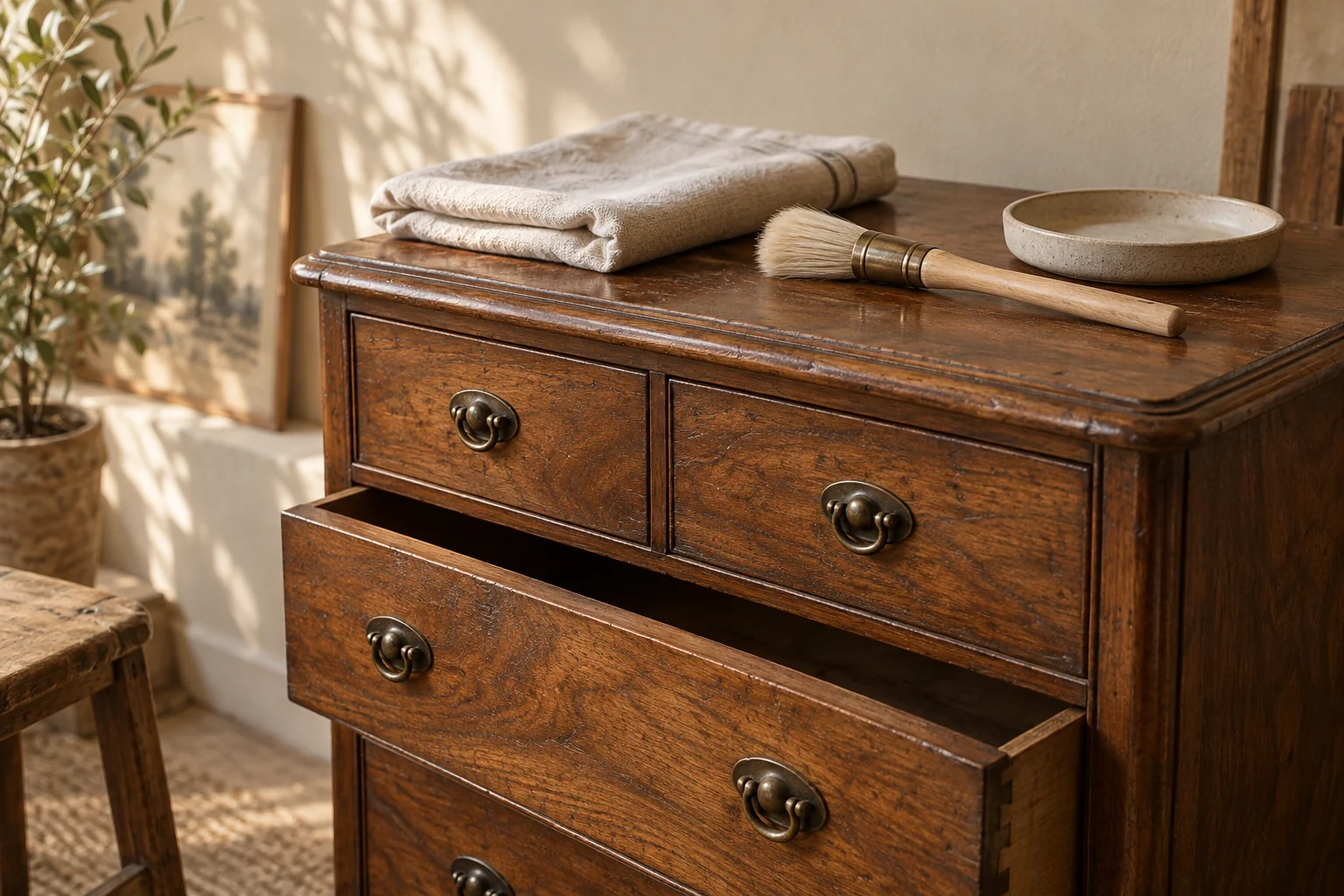
The reading list
Take your time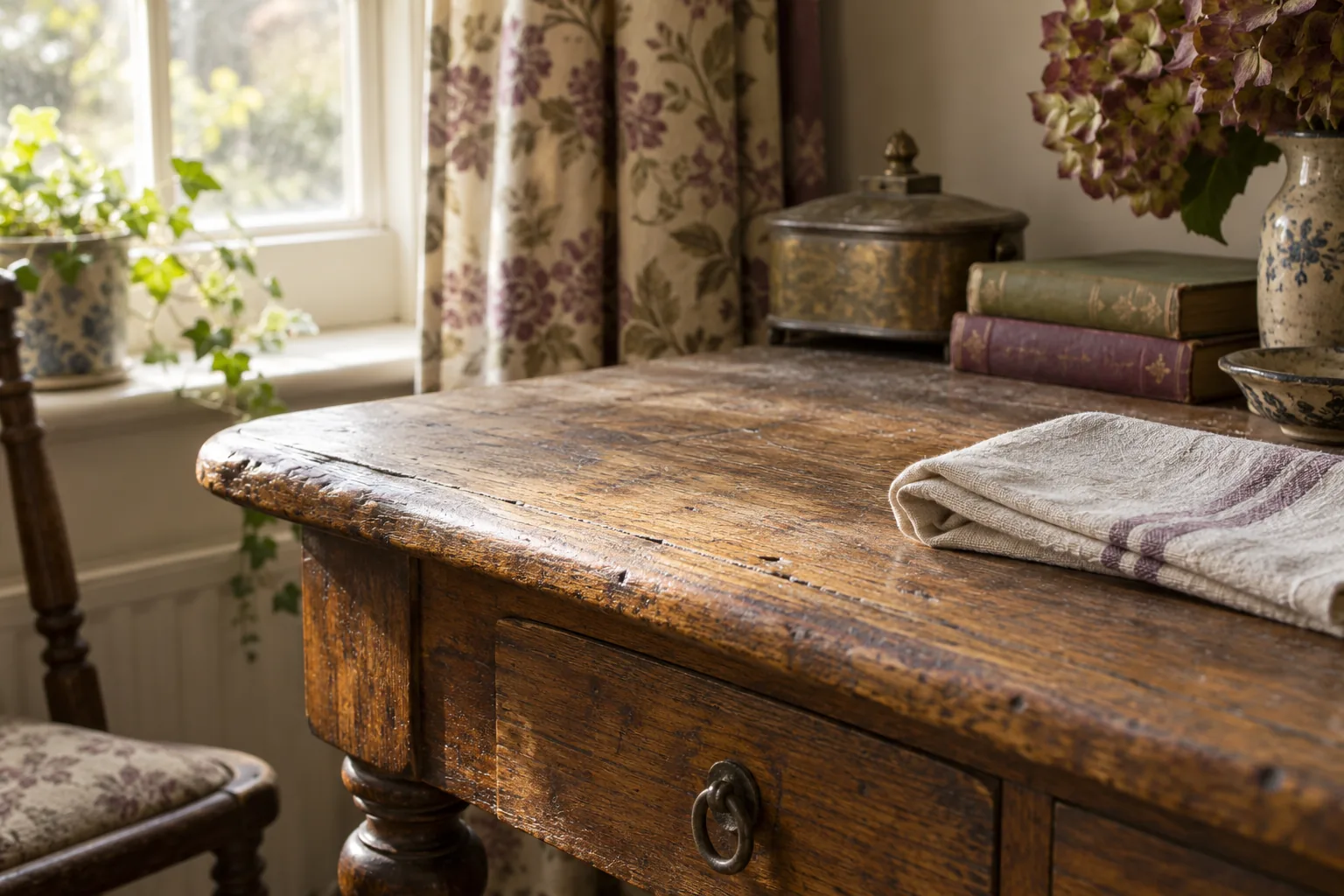 01
01Dusting an old table begins with looking at it
A short inspection is more useful than reaching automatically for polish.
 02
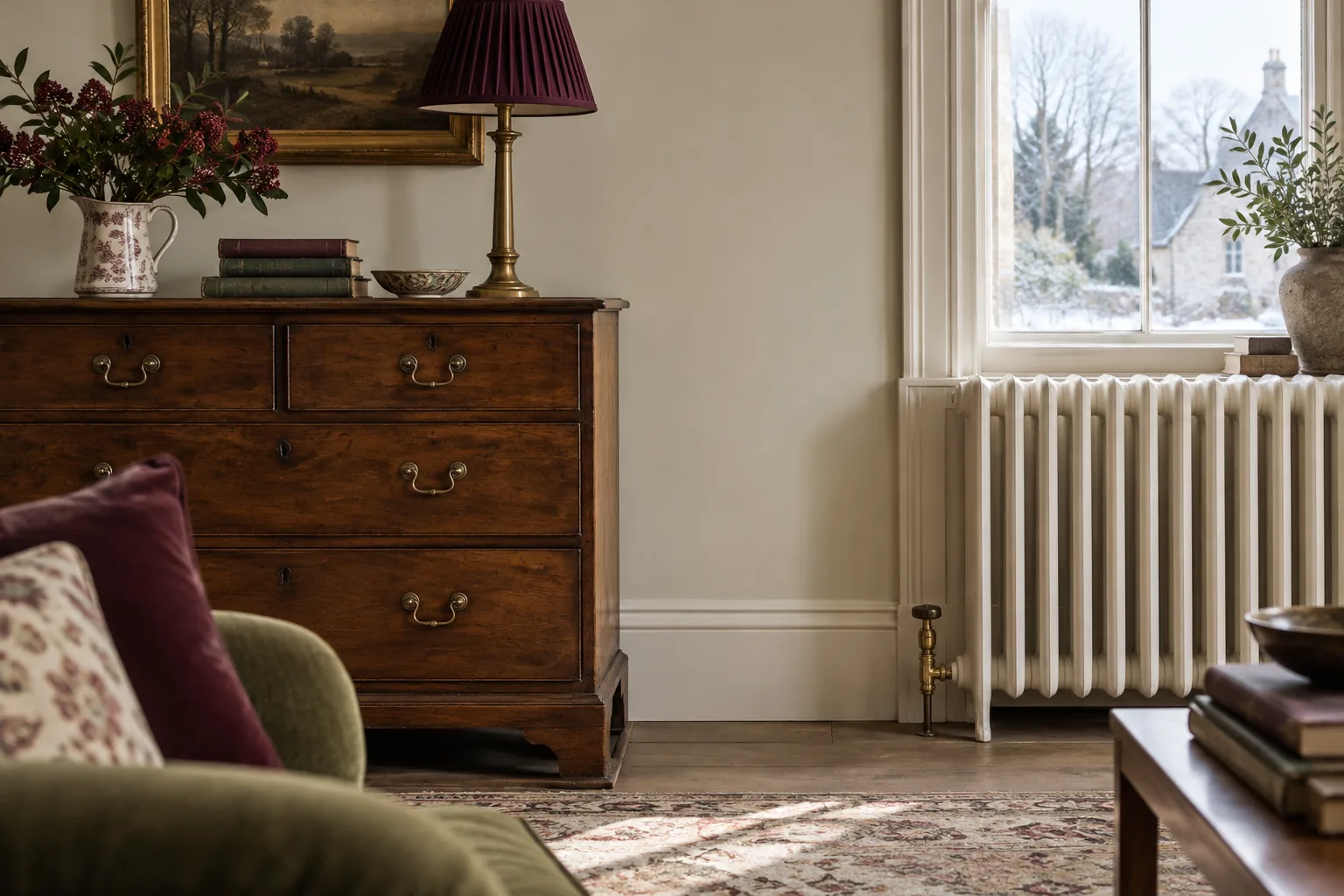
02The tempting gap beside the radiator
A convenient furniture position may need reconsidering once the heating is on.
 03
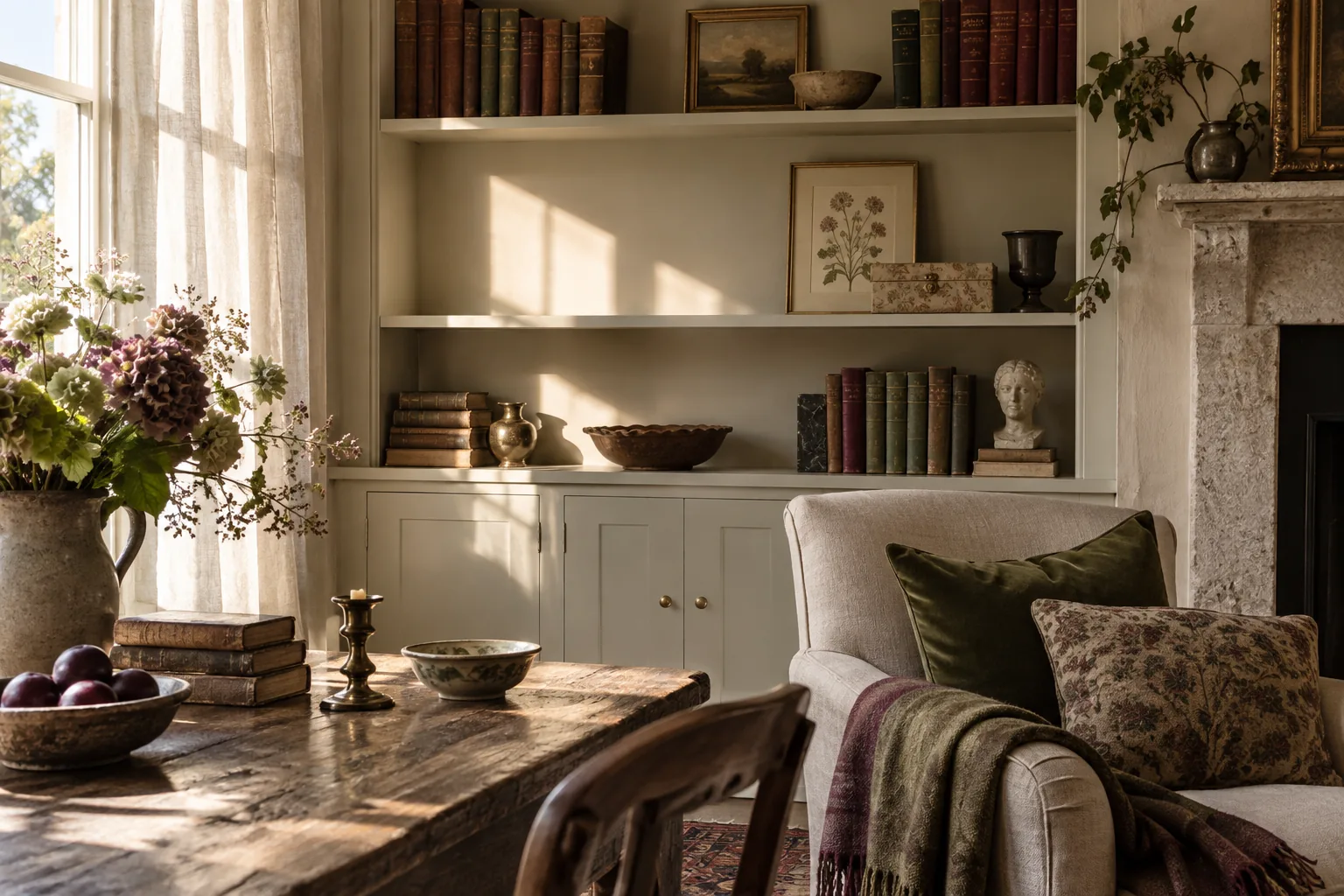
03The sunny shelf is not always the best shelf
Enjoy an object without giving it every hour of the day's strongest light.
 04
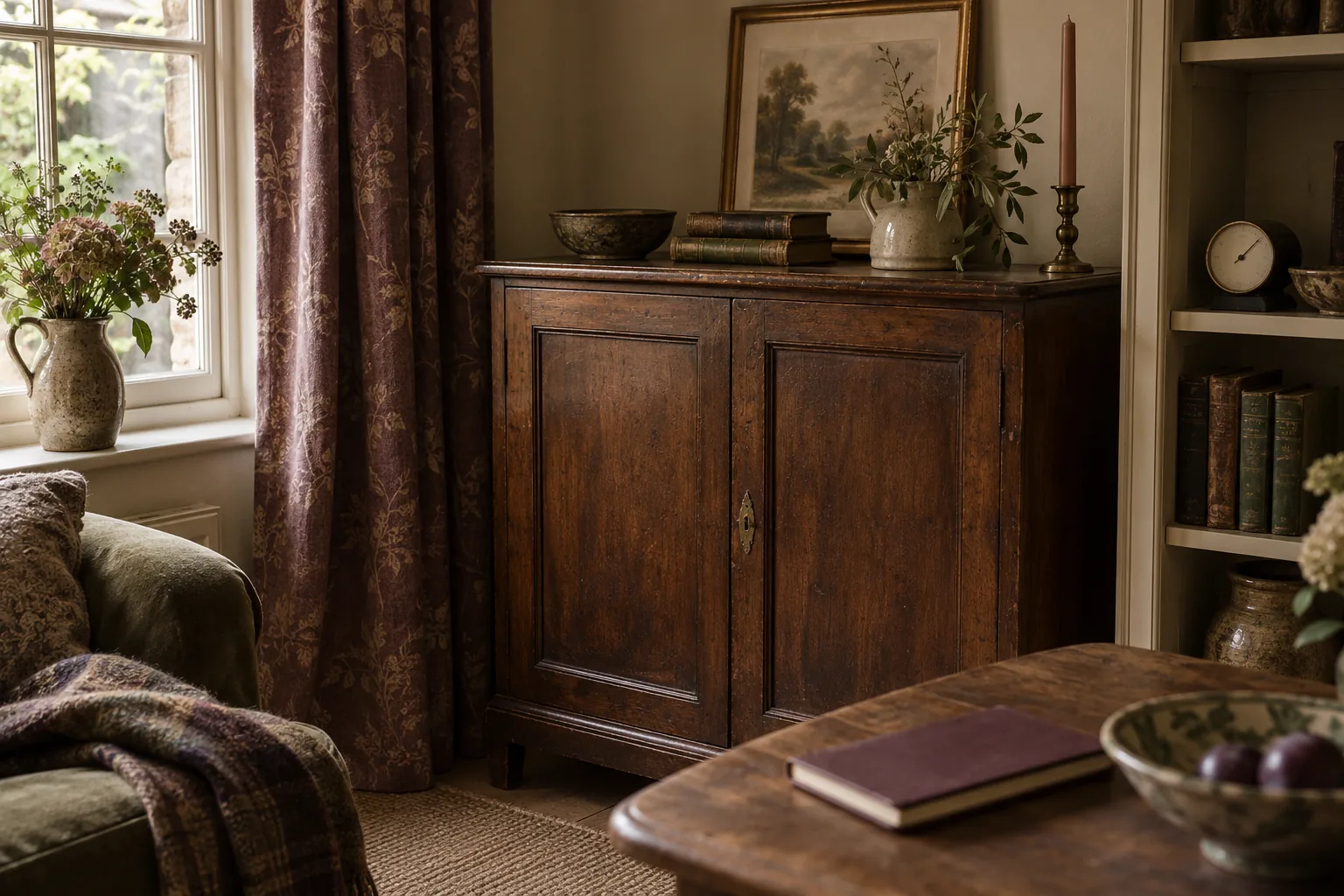
04A seasonal notebook for your furniture
Observe changes before trying to correct the room with gadgets or treatments.
 05
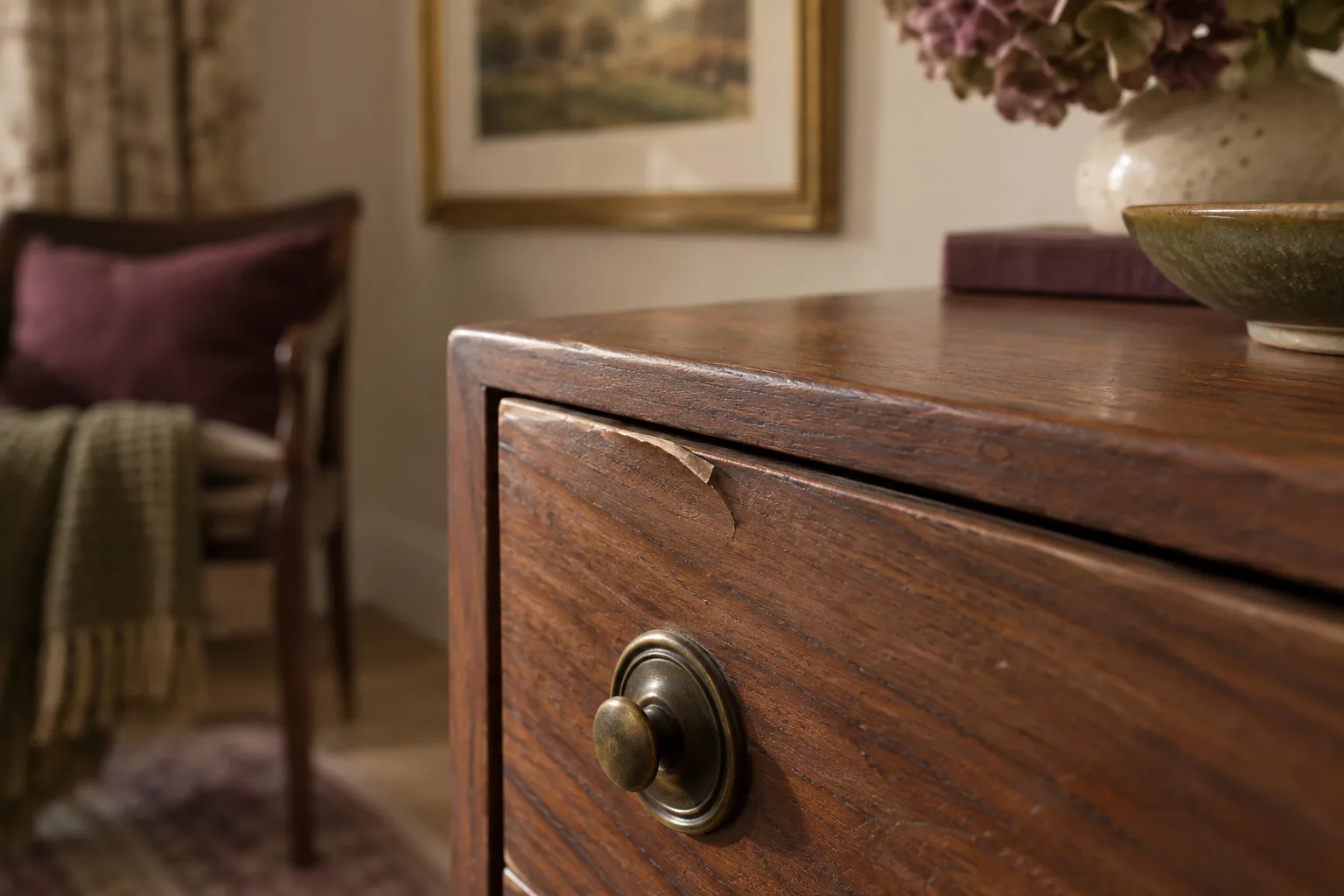
05When a small edge of veneer starts to lift
Pause use, record the change and resist turning a loose edge into a repair experiment.
 06
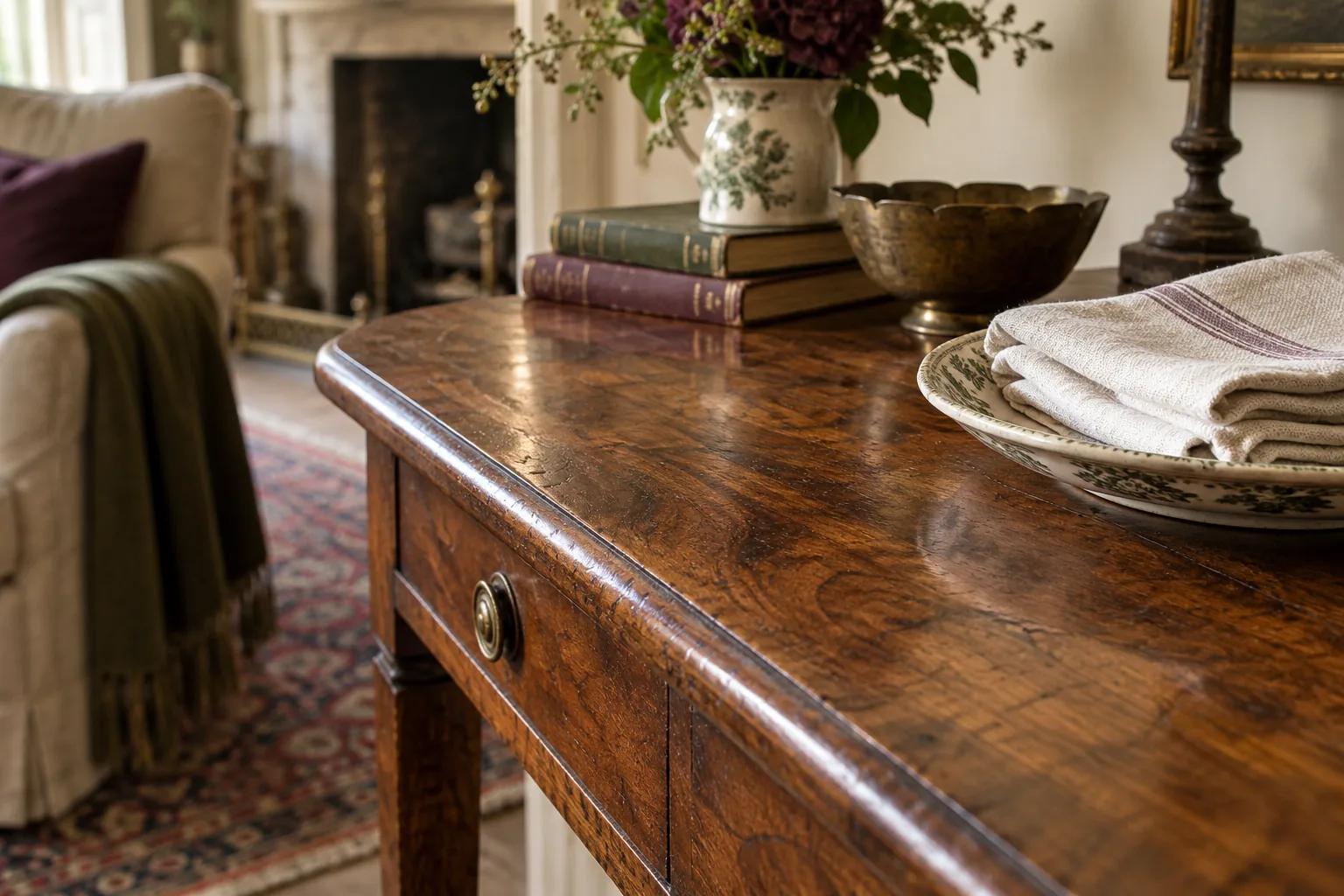
06Why every old wooden surface does not need oil
The promise of feeding timber can distract from the finish already on it.
 07
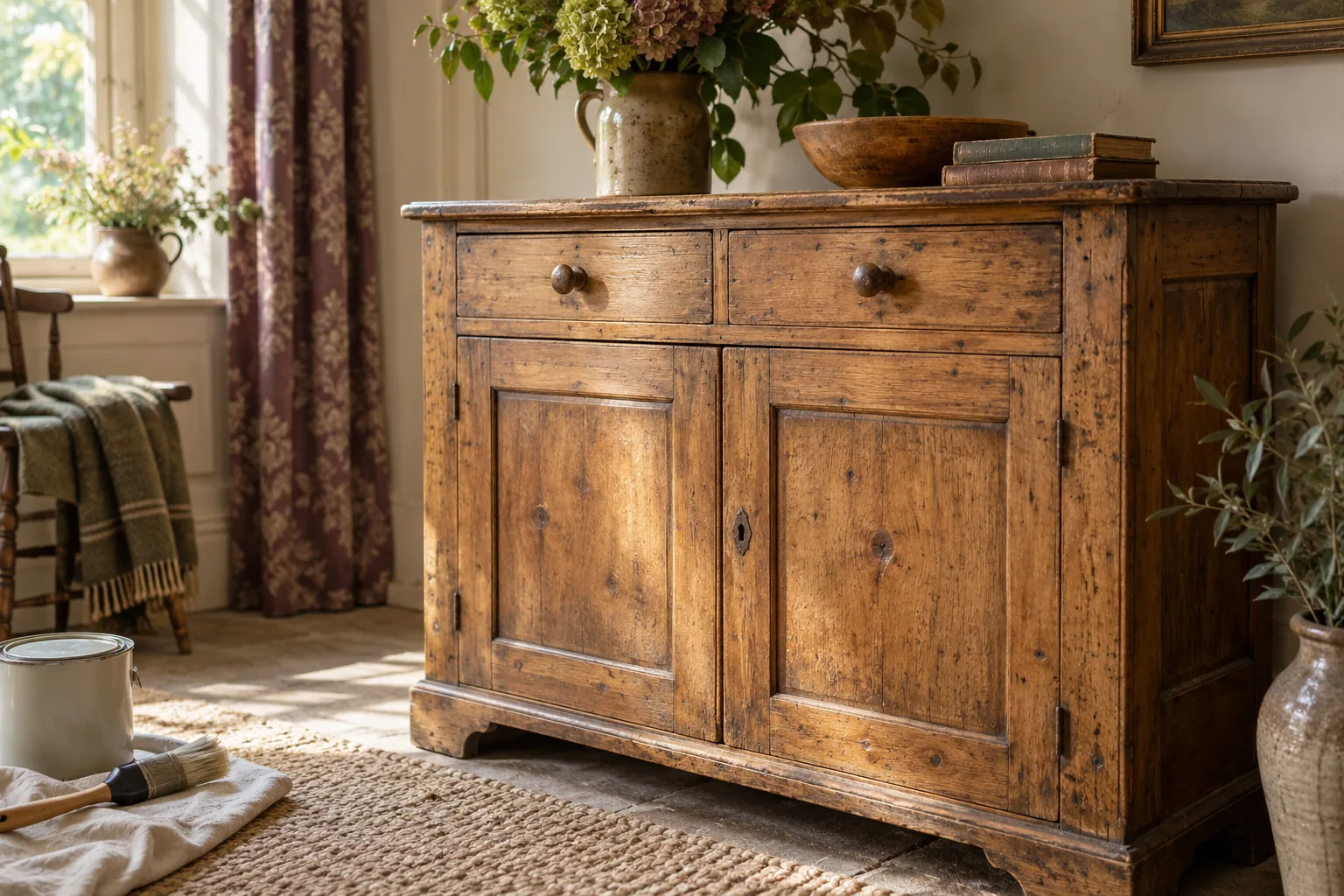
07Before painting that old cabinet
Give the existing surface a chance to tell you what would be lost.
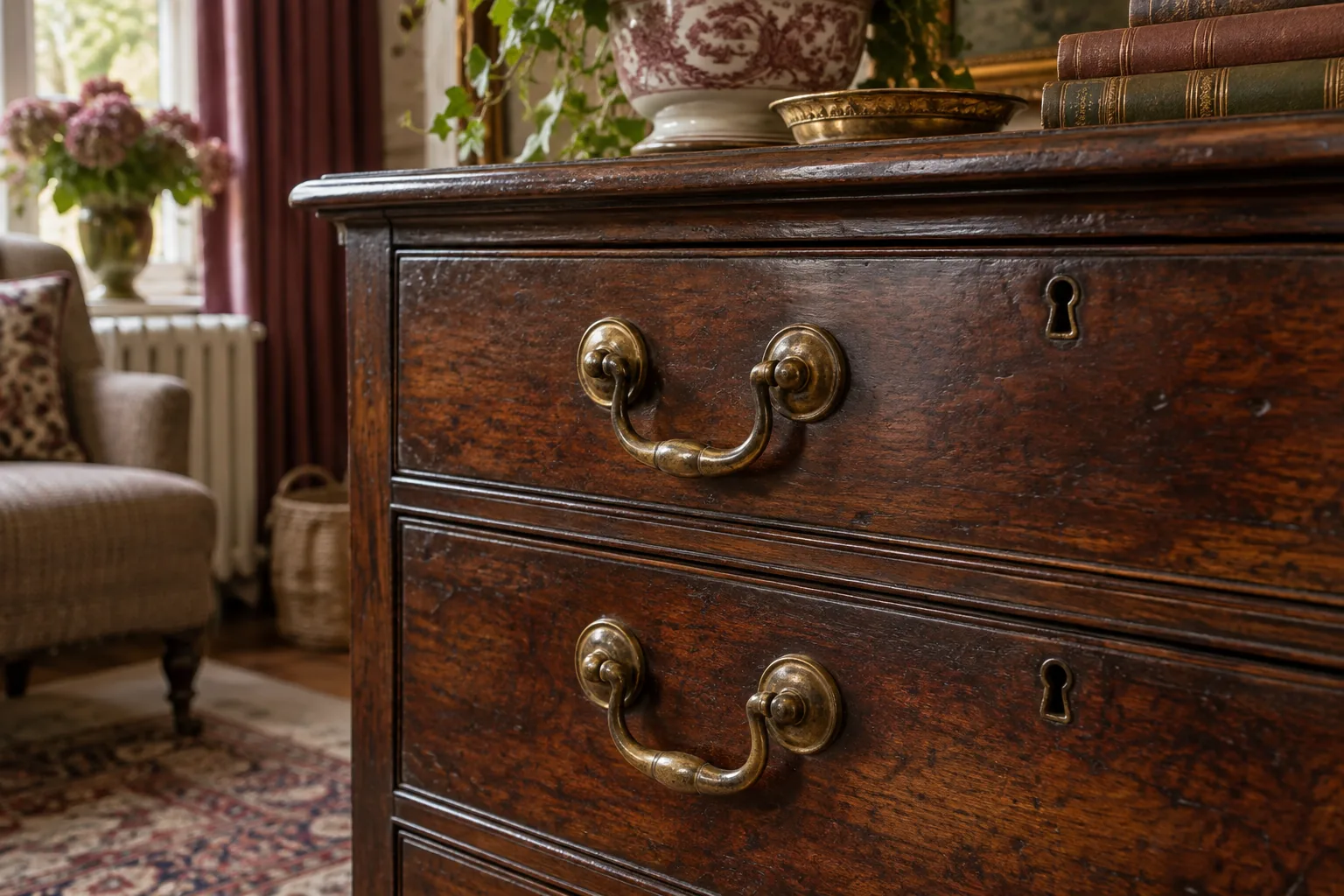 08
08Let the handles keep some of their age
Shine is a choice, and not every metal fitting should receive the same treatment.
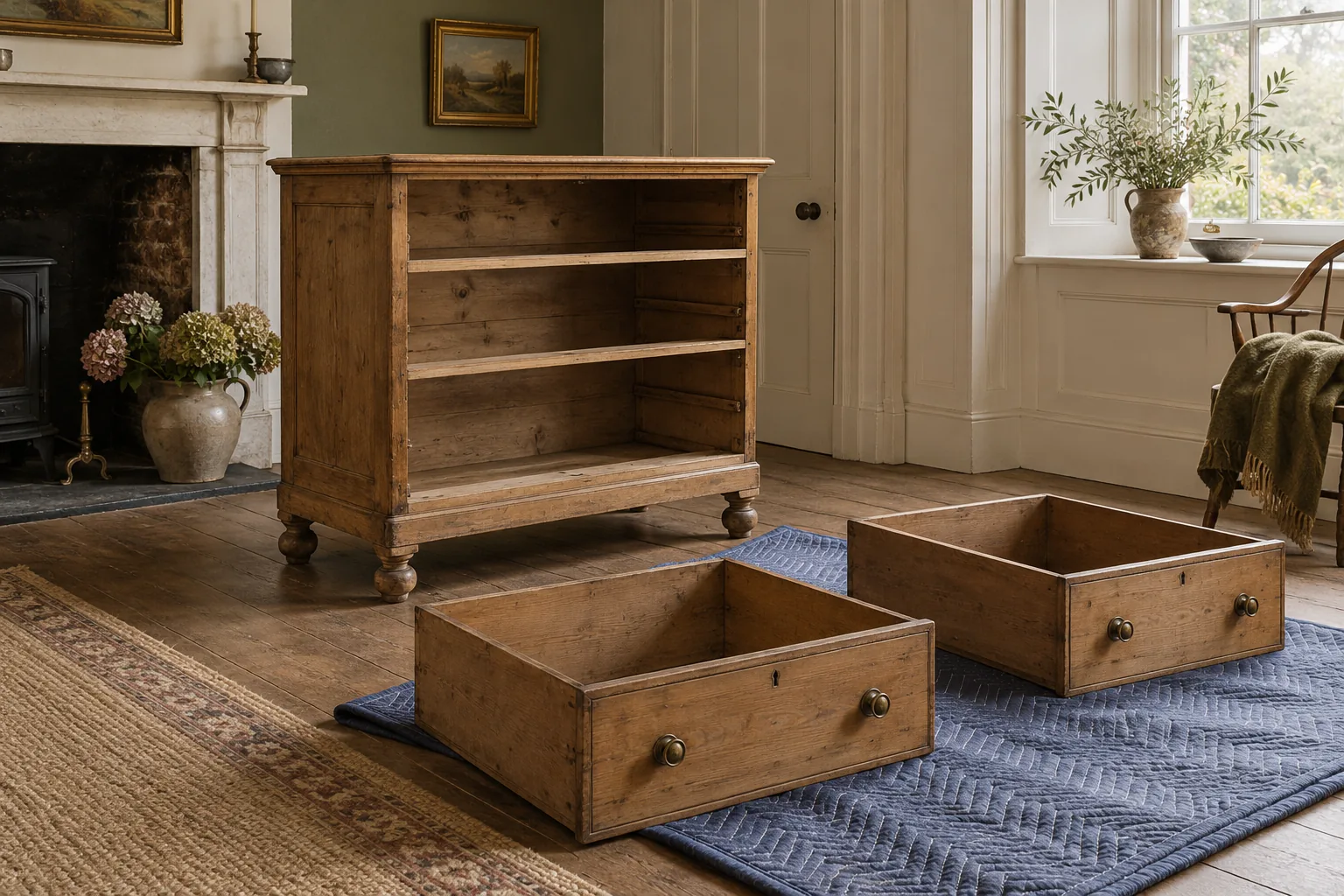 09
09Moving a chest starts with its drawers
Plan the removable parts before the lifting begins.
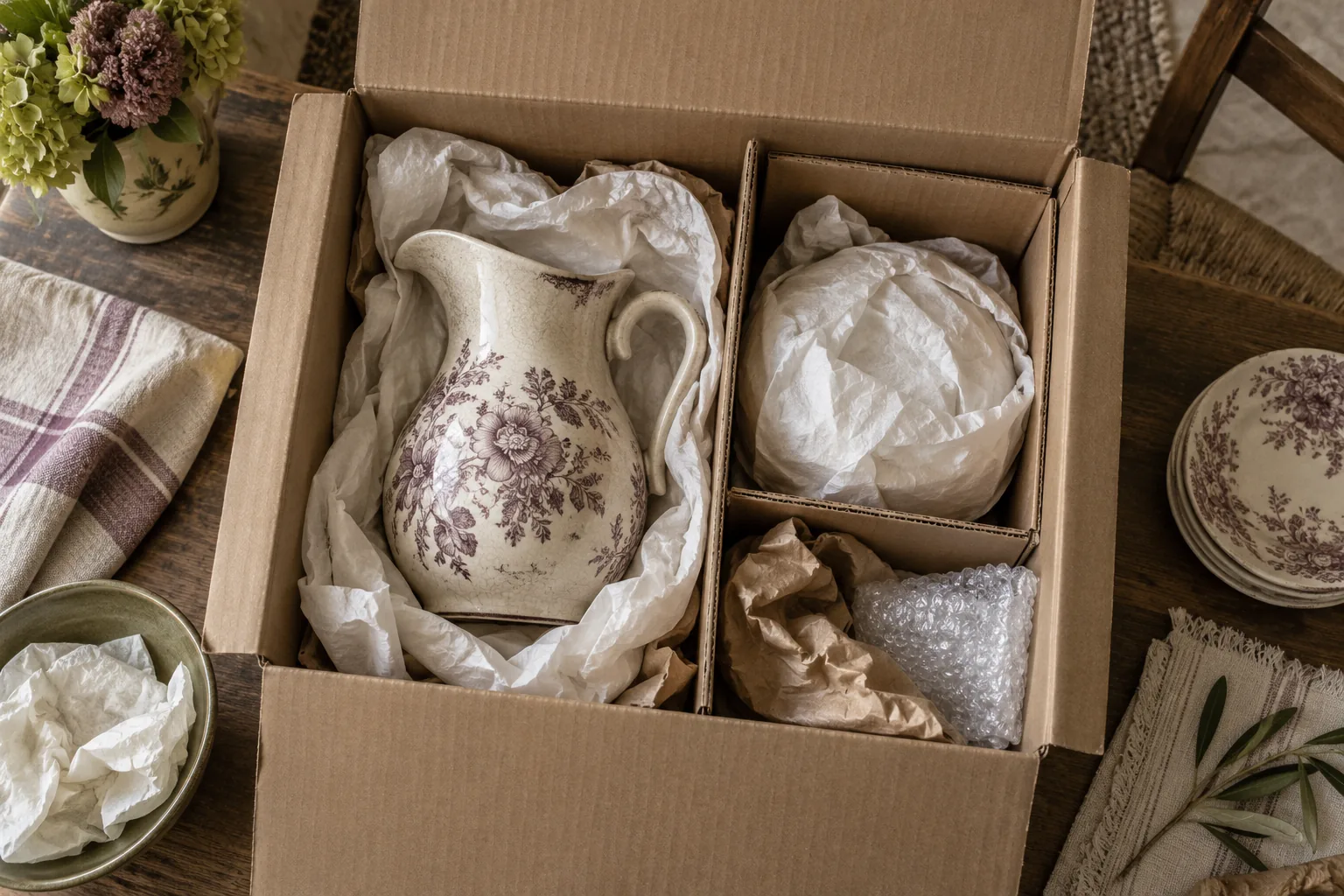 10
10Packing ceramics when the move is only across town
A short journey still needs a clear plan for the vulnerable parts.
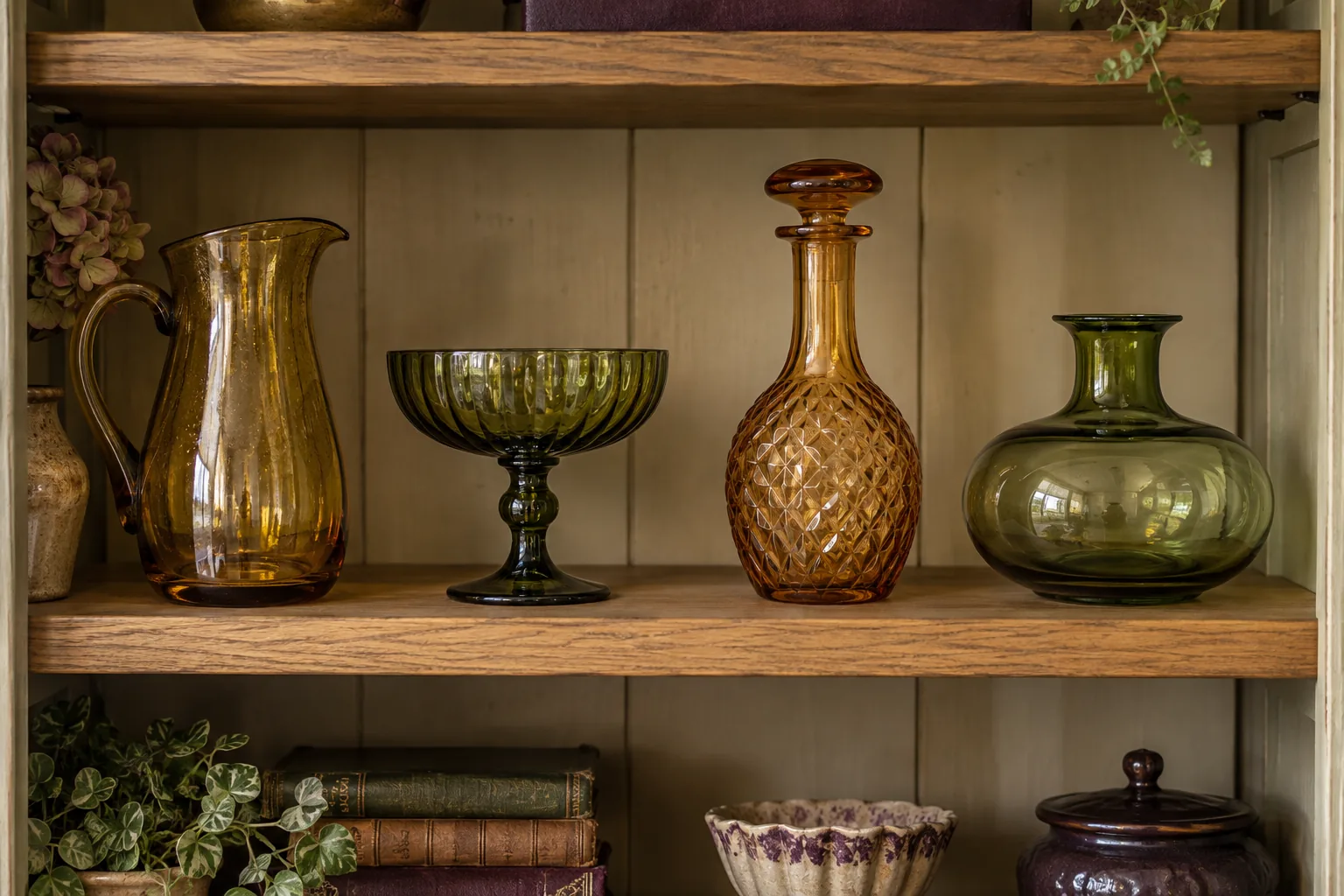 11
11A glass collection needs a dependable shelf
Give delicate shapes a setting that is secure, visible and easy to maintain.
 12
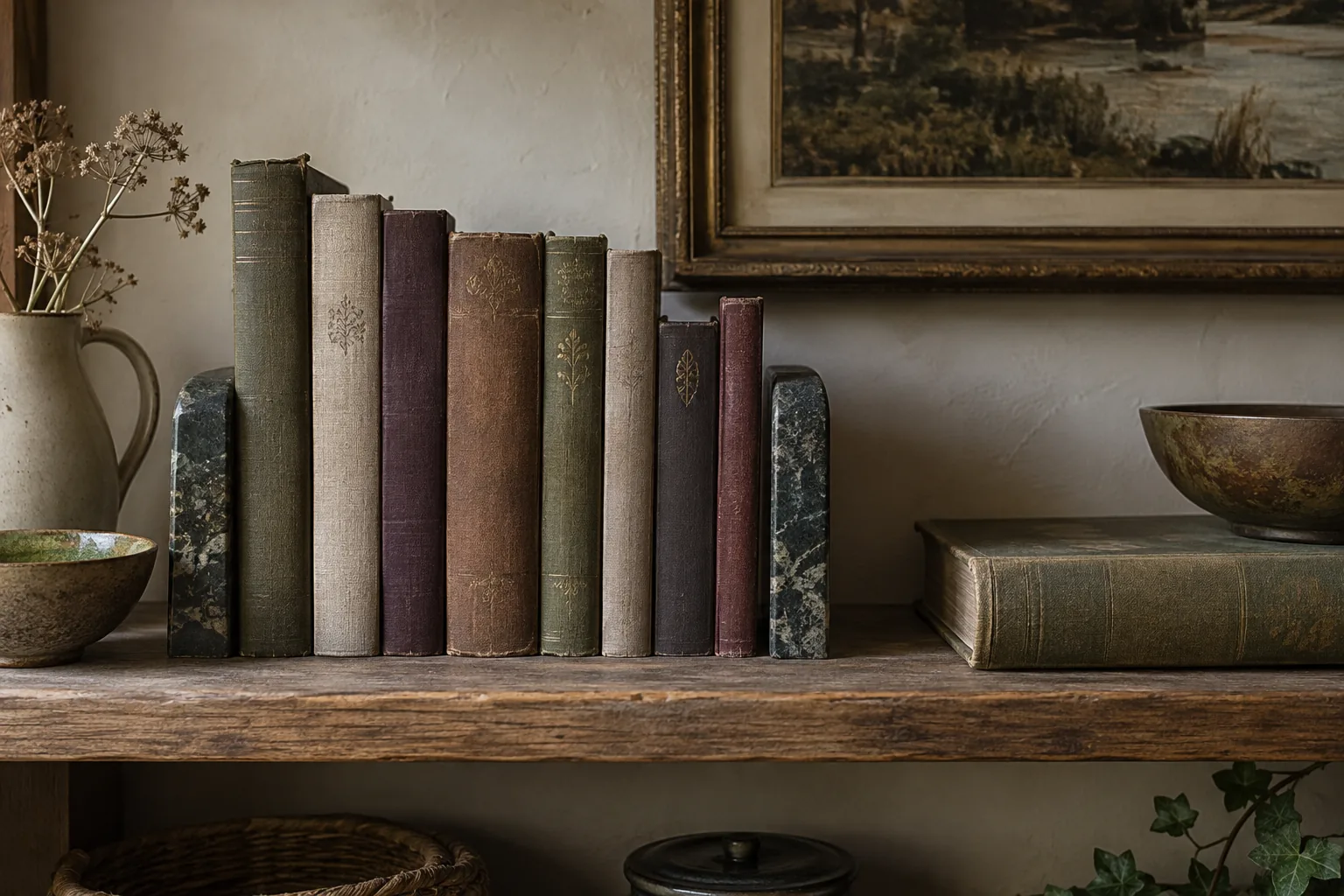
12Books upright, supported and easy to take down
An orderly shelf should help the bindings as well as the room.
 13
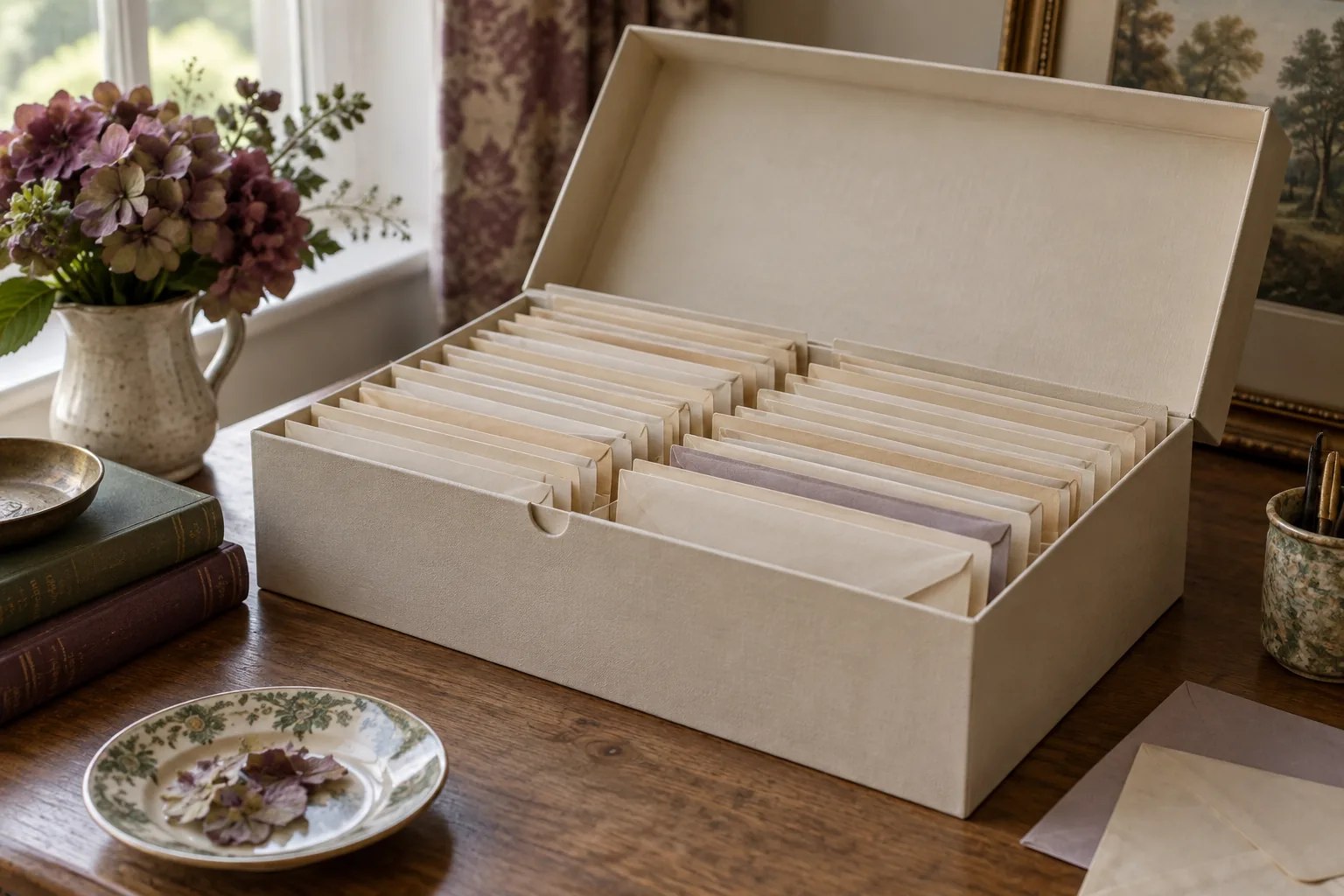
13Old letters deserve more than a convenient shoebox
Sort, support and label paper so that finding it does not mean handling everything.
 14
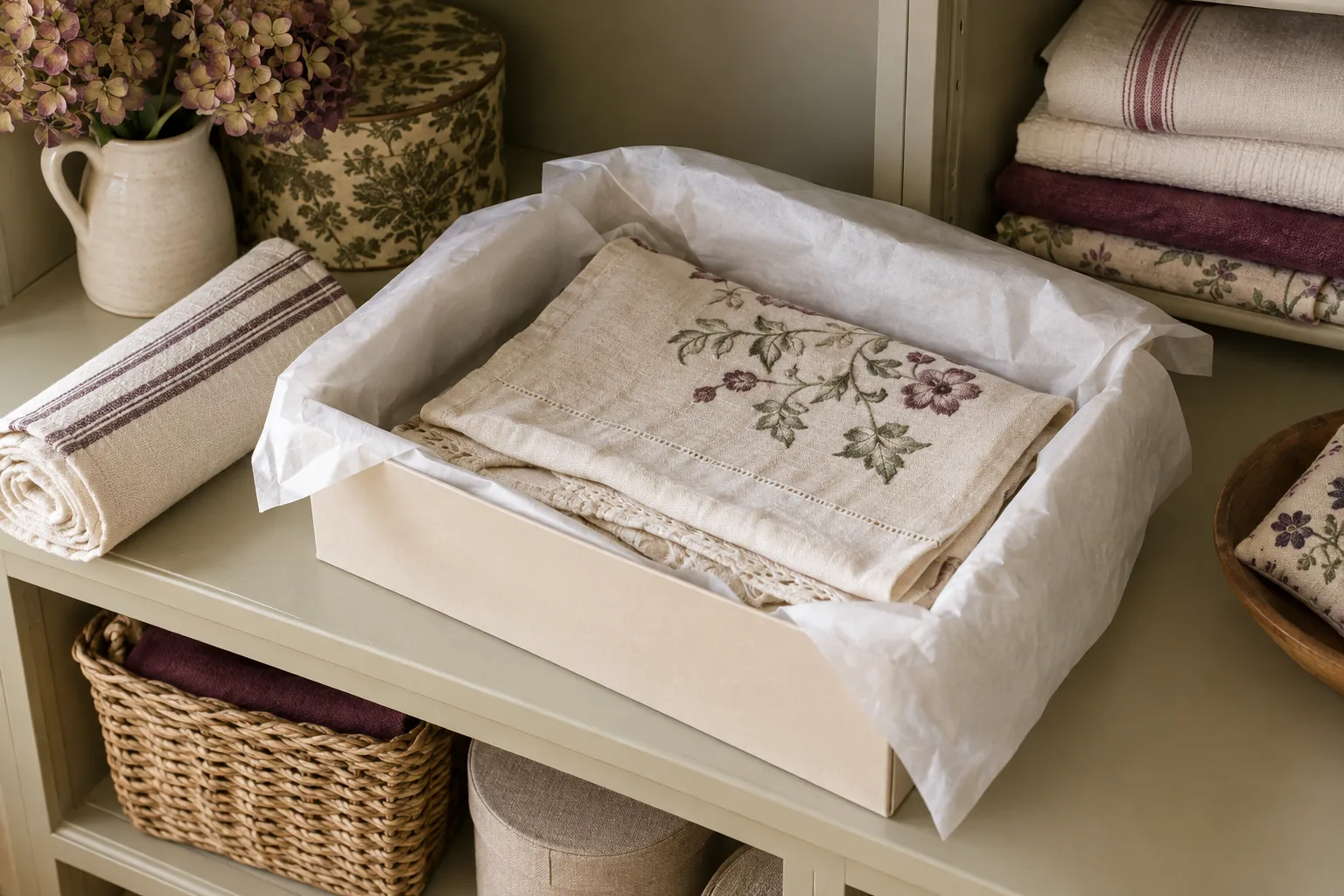
14Putting vintage textiles away without losing track of them
Support the fabric, choose suitable materials and make the next viewing easy.
 15
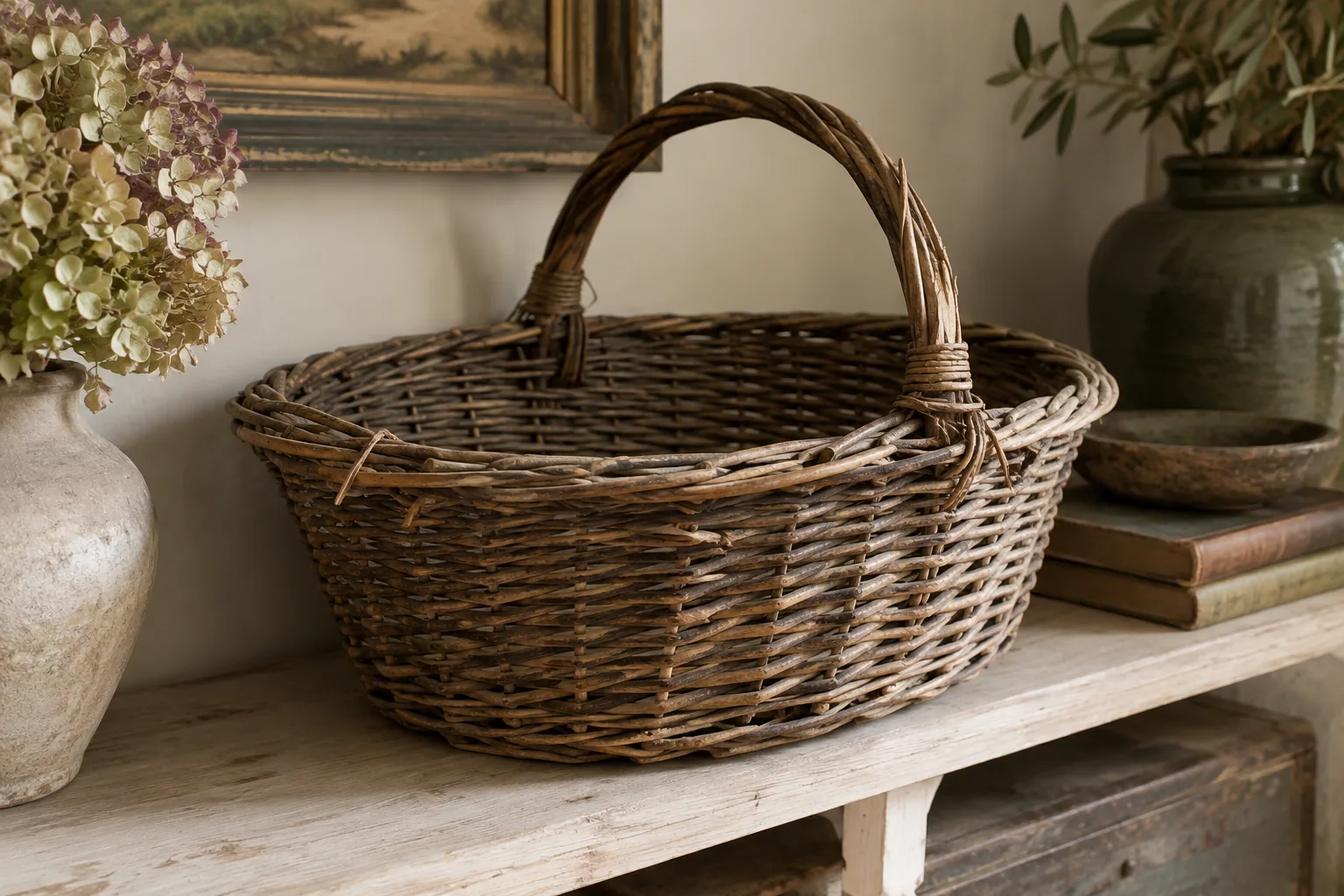
15A woven basket is not always a carrying basket
Choose its job according to its condition, not just its familiar shape.
 16
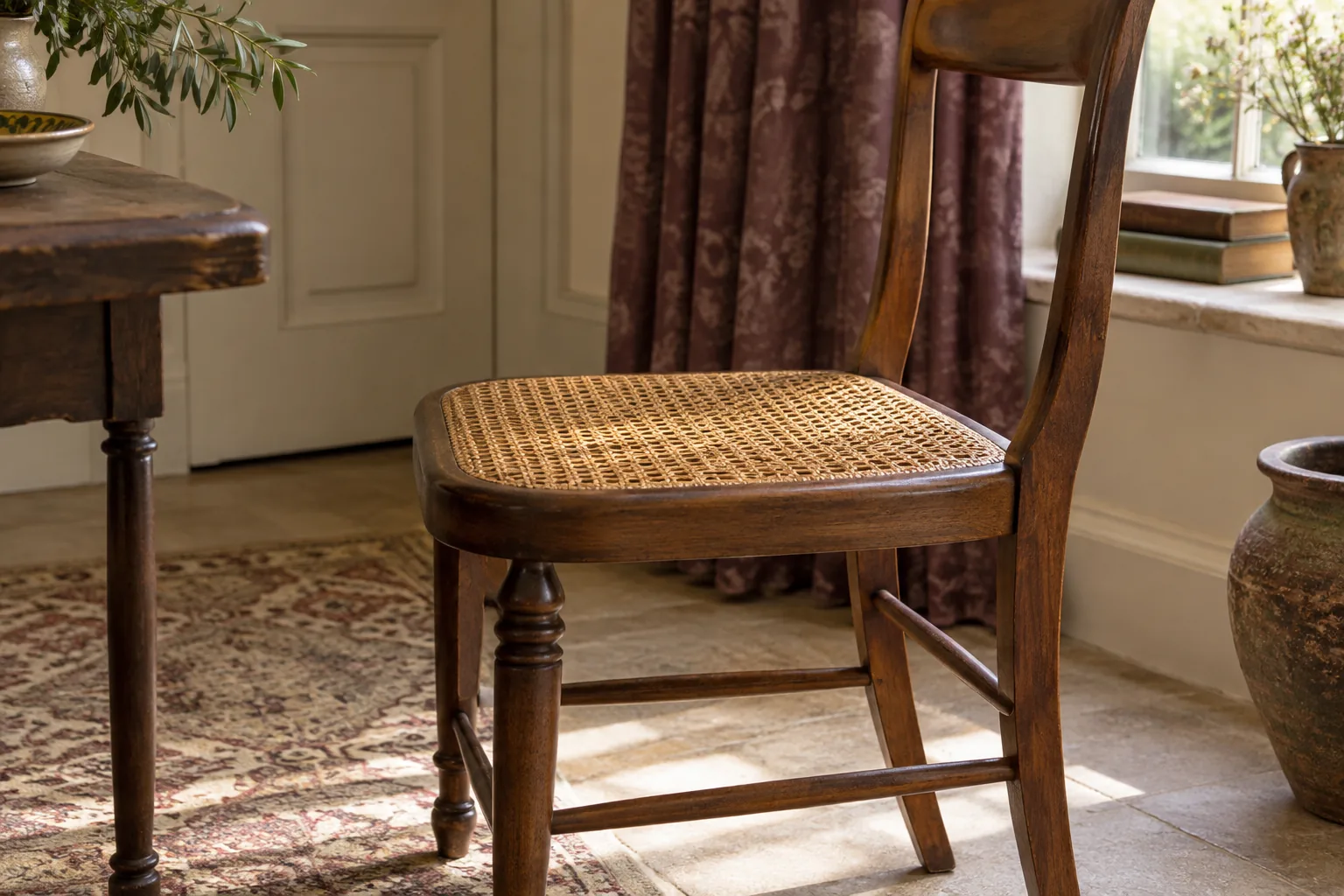
16The cane seat is not a place to put your knee
Small changes in handling can spare a woven chair unnecessary strain.
 17
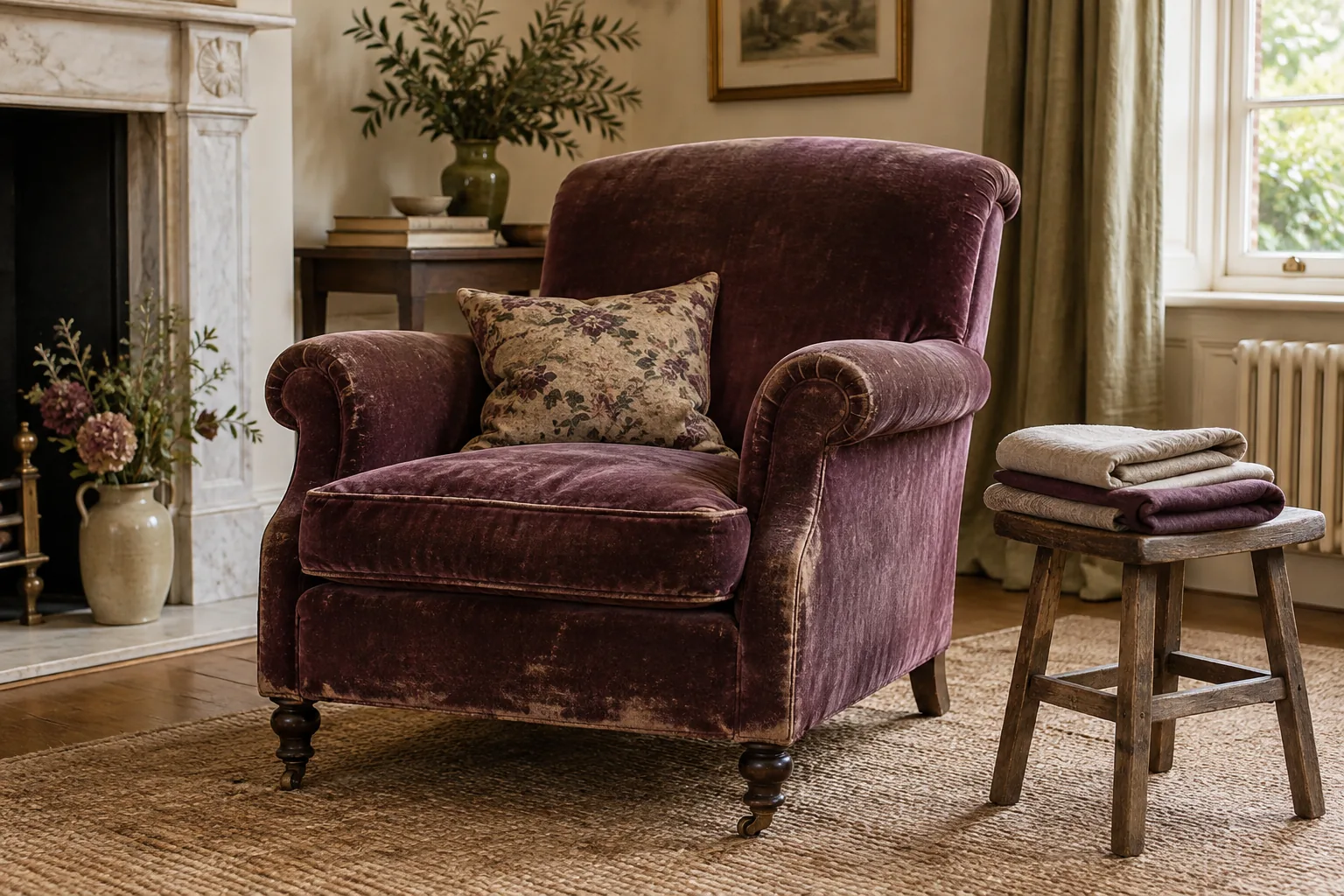
17Before cleaning or recovering an old armchair
The visible fabric is only one layer of a larger decision.
 18
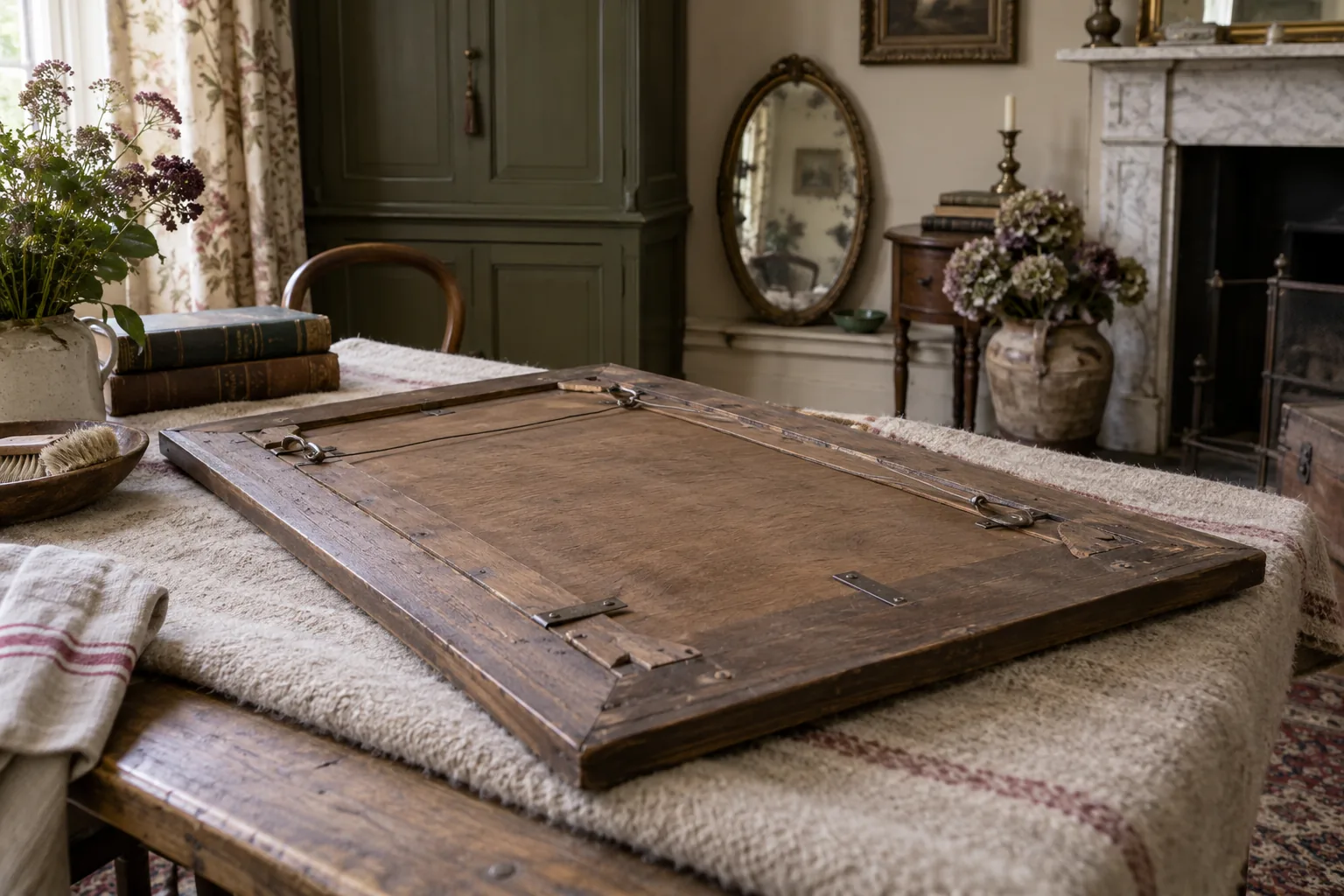
18An old mirror has more than one surface to consider
Clouding, a fragile frame and the hidden backing are different questions.
 19
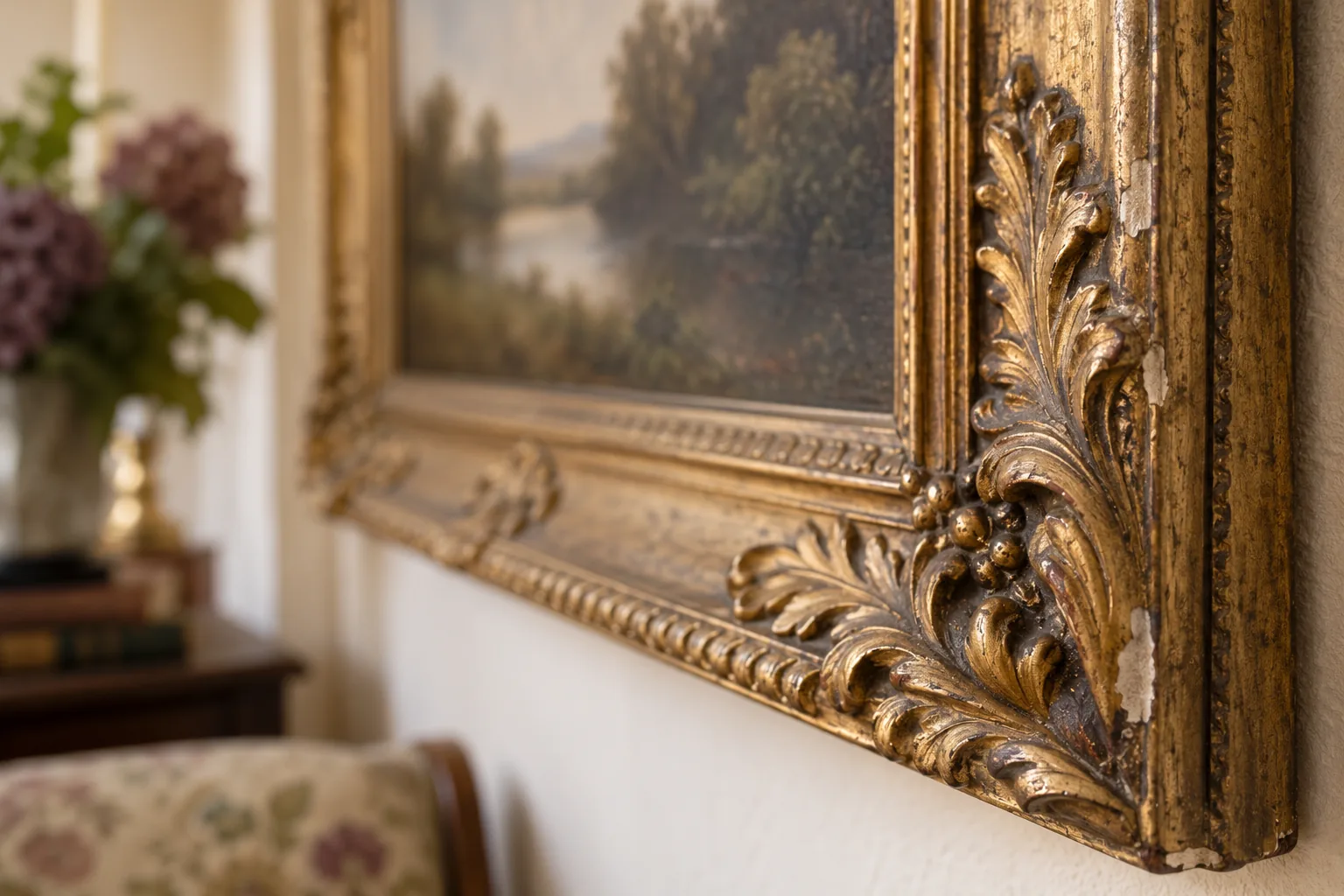
19The frame needs care even when the picture is fine
Raised decoration and thin finishes make vigorous dusting a poor default.
 20
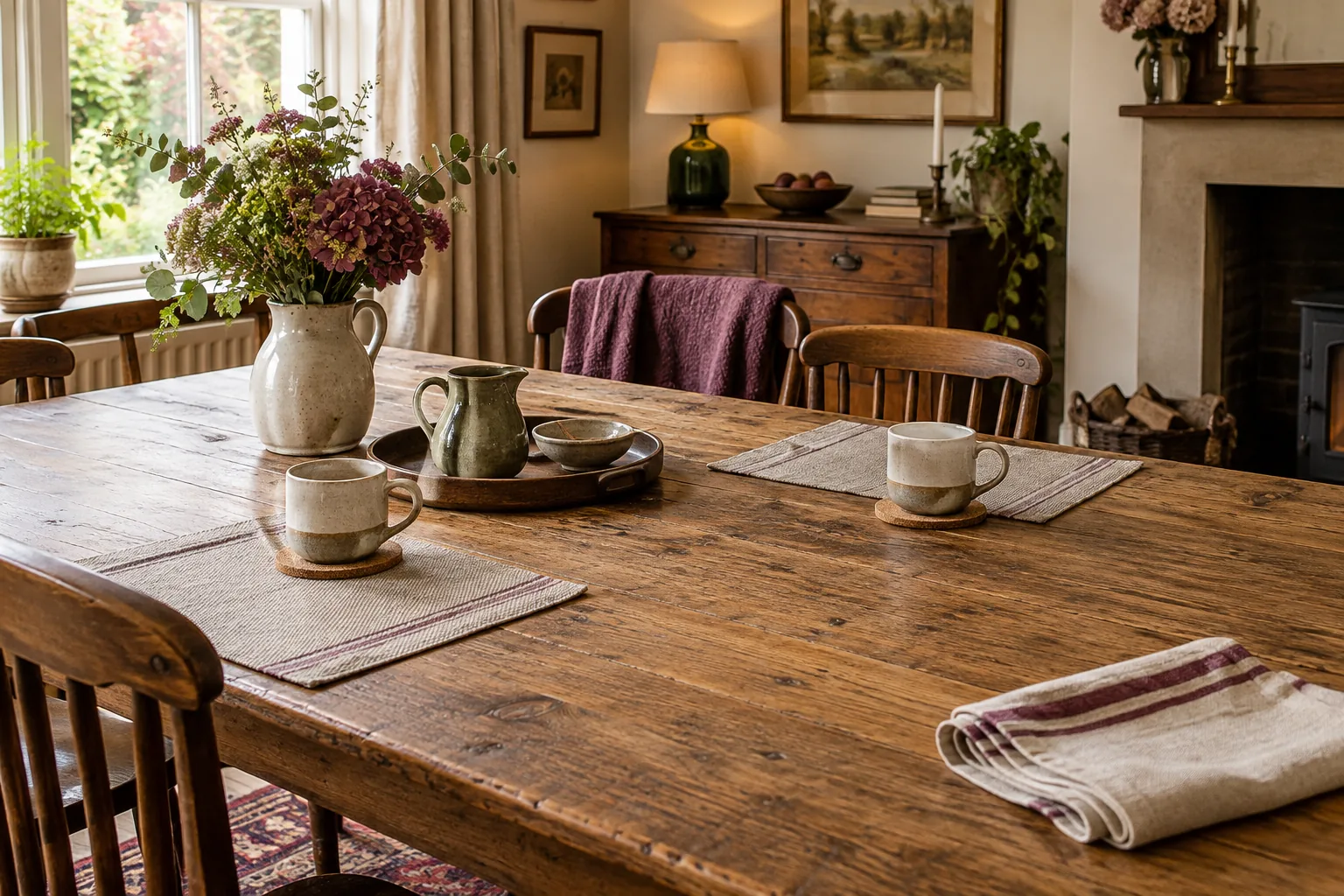
20Let the old table be used, thoughtfully
A practical surface needs a clear routine rather than a permanent state of worry.
 21
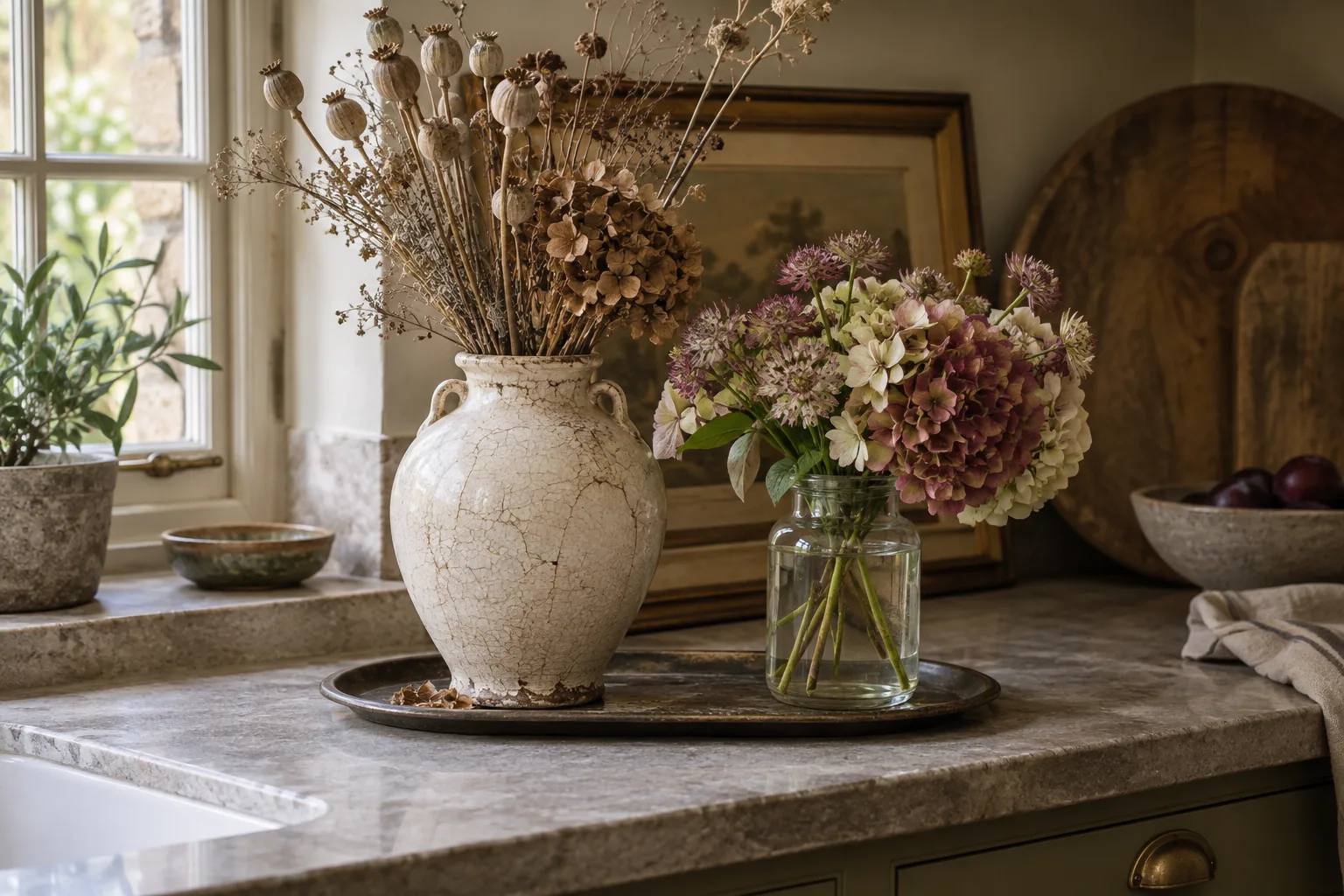
21Flowers in an old vase: keep the water question separate
A vessel's shape does not prove that its present condition suits a fresh arrangement.
 22
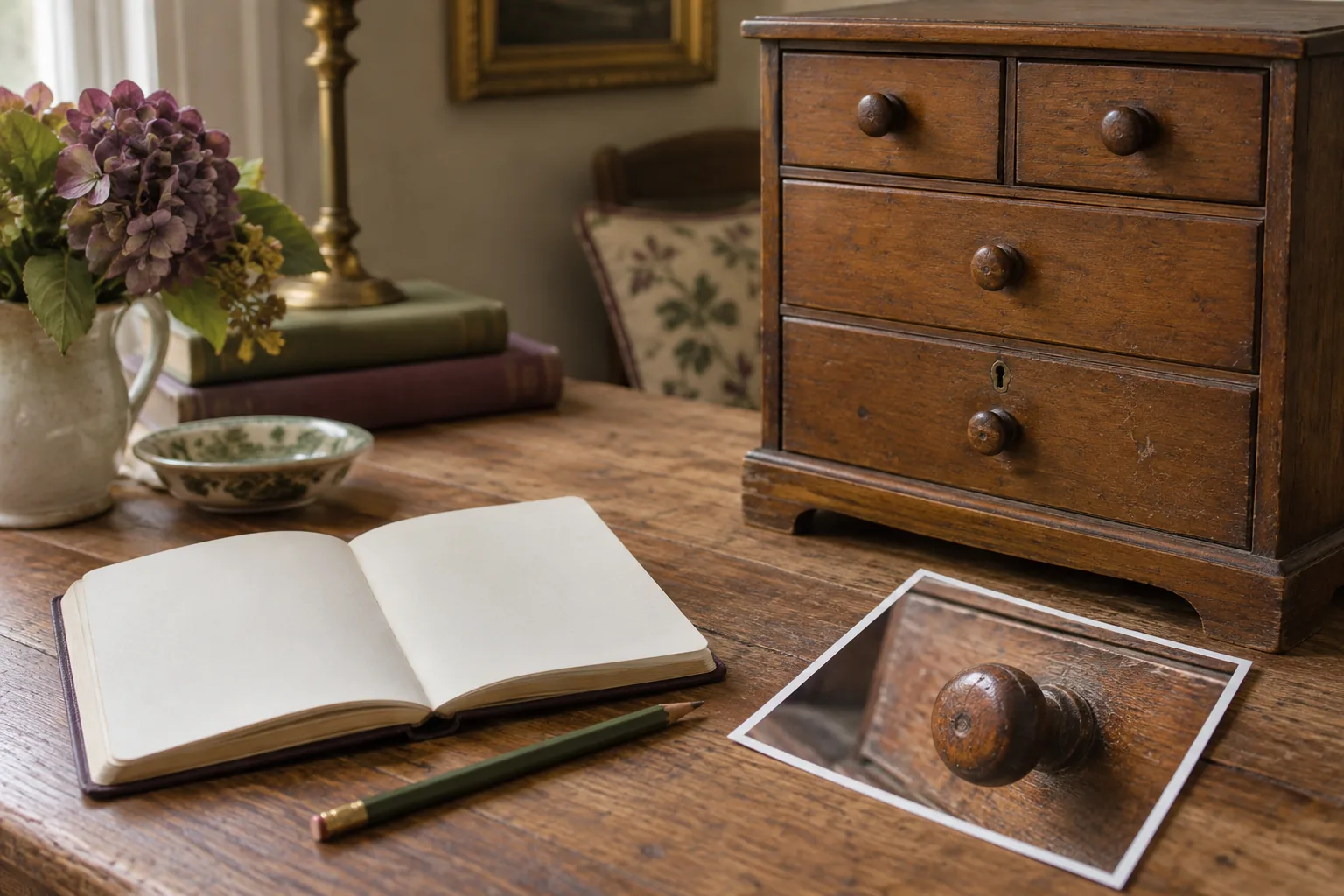
22A condition notebook you will actually keep
Useful records are specific, brief and easy to compare.
 23
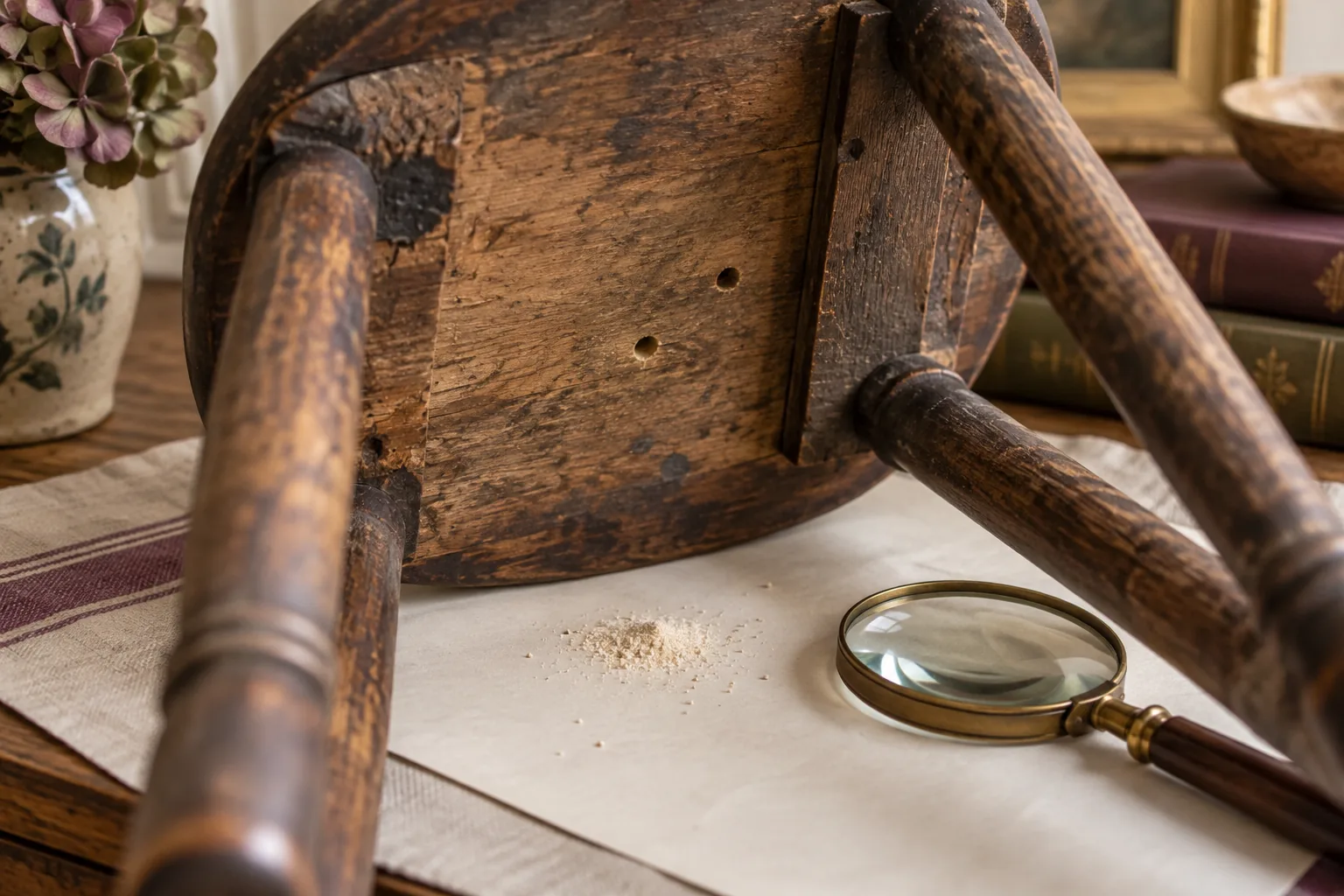
23Found a small hole or fresh debris? Record it before treating it
Possible pest evidence calls for identification, not an immediate household spray.
 24
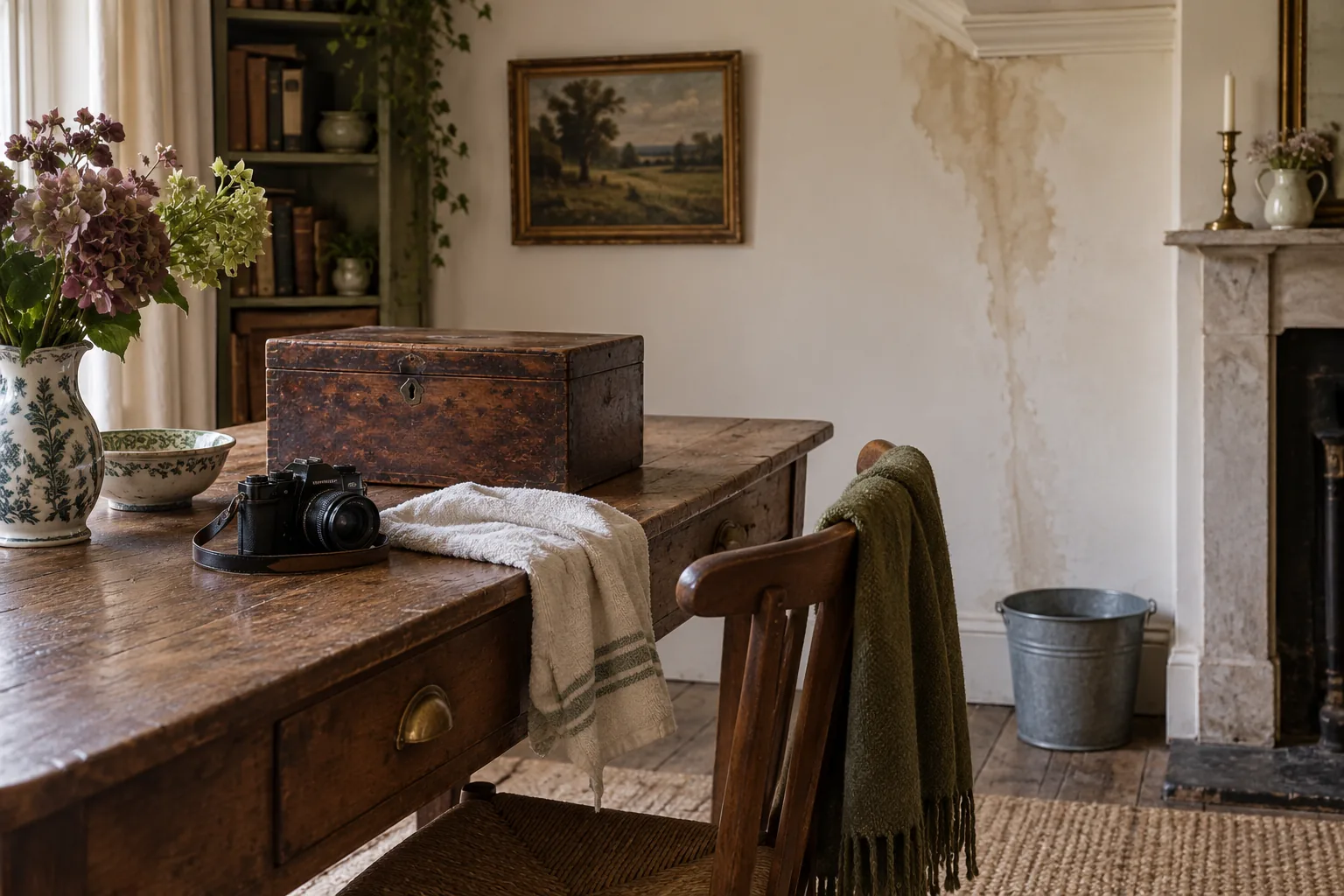
24When water reaches something you want to keep
Put people first, document what happened and get material-specific help promptly.
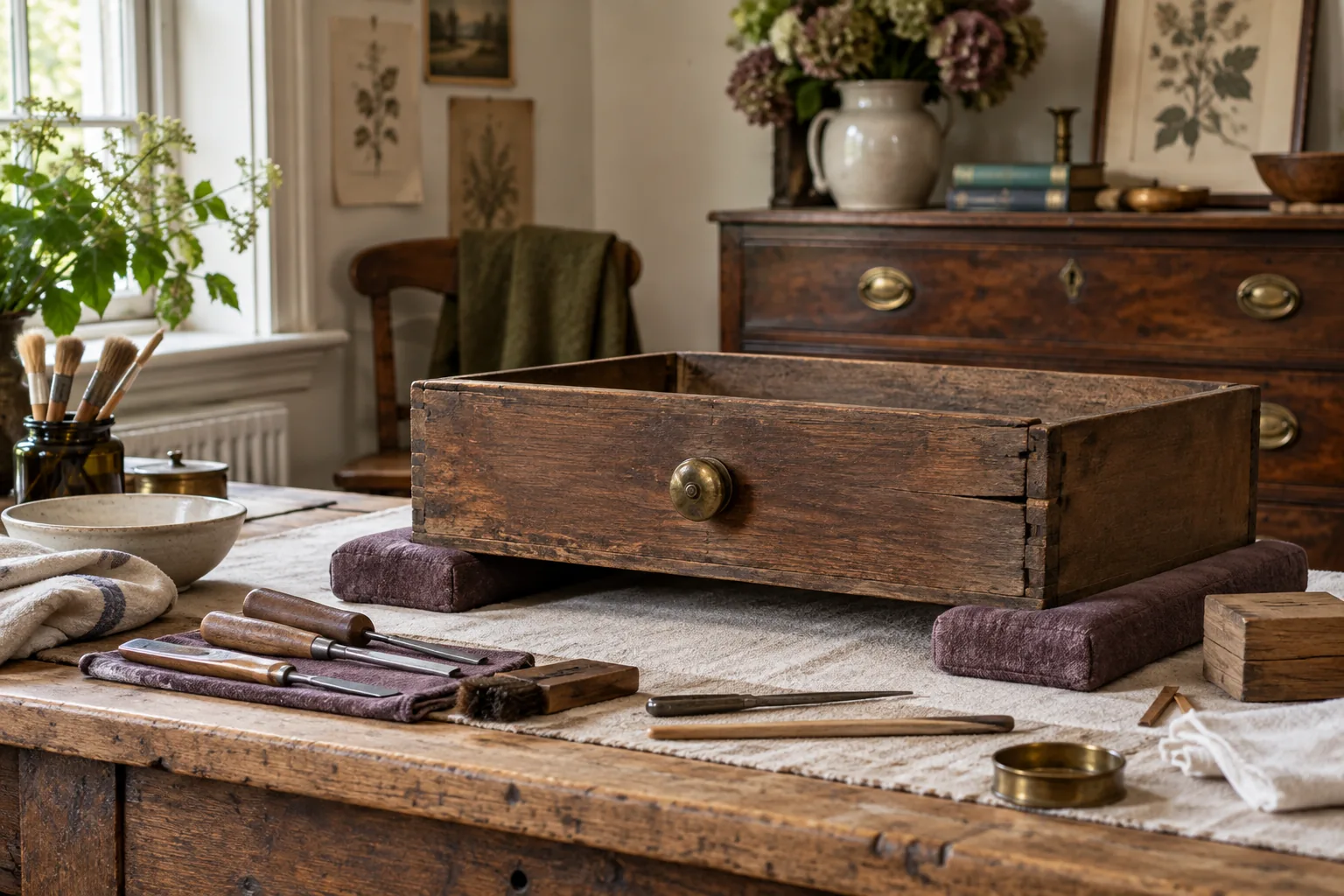 25
25Repair, restore or conserve: ask what the work will do
A clear description matters more than a reassuring label.
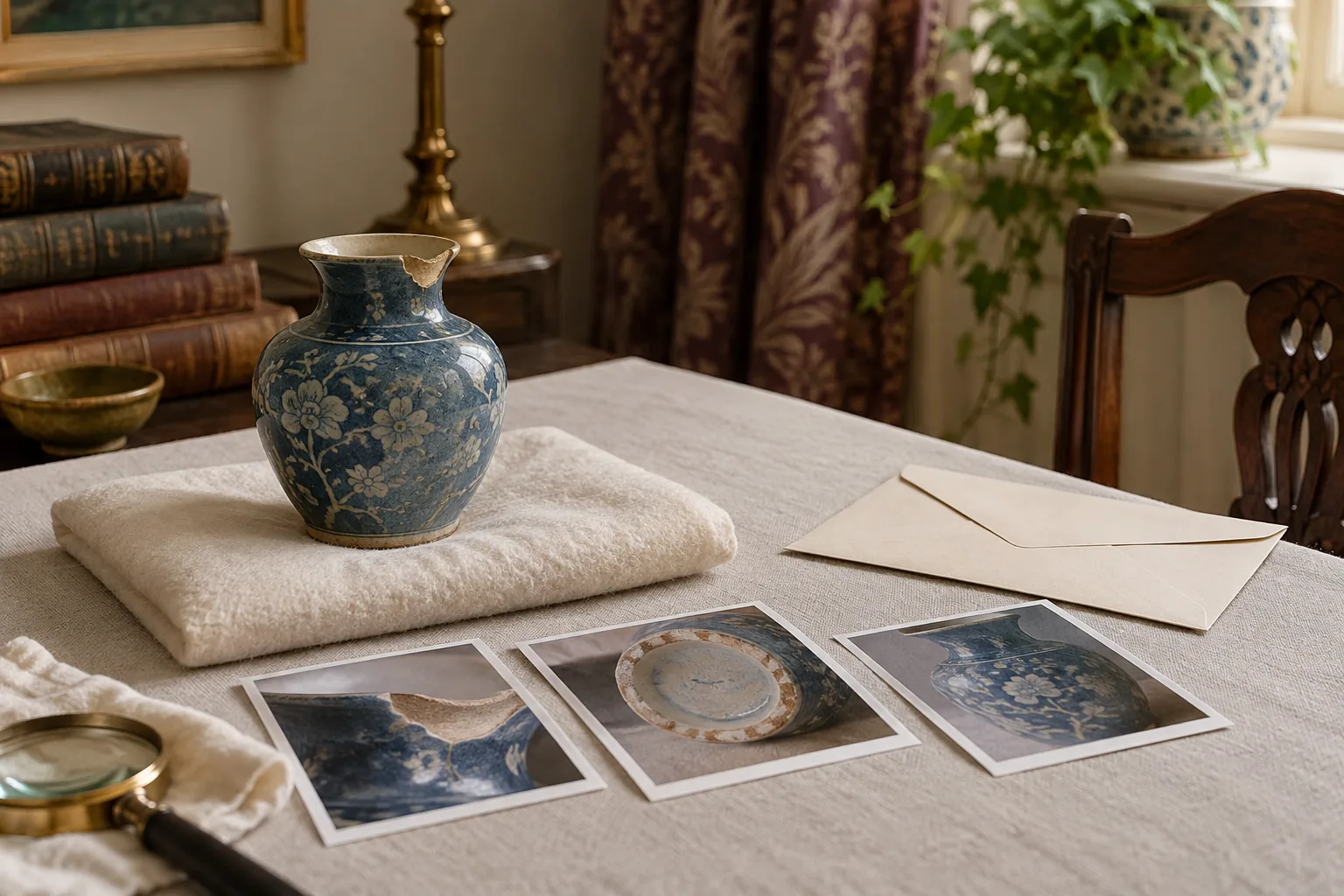 26
26How to write a useful first enquiry to a conservator
Give enough context for a meaningful reply without trying to diagnose the object.
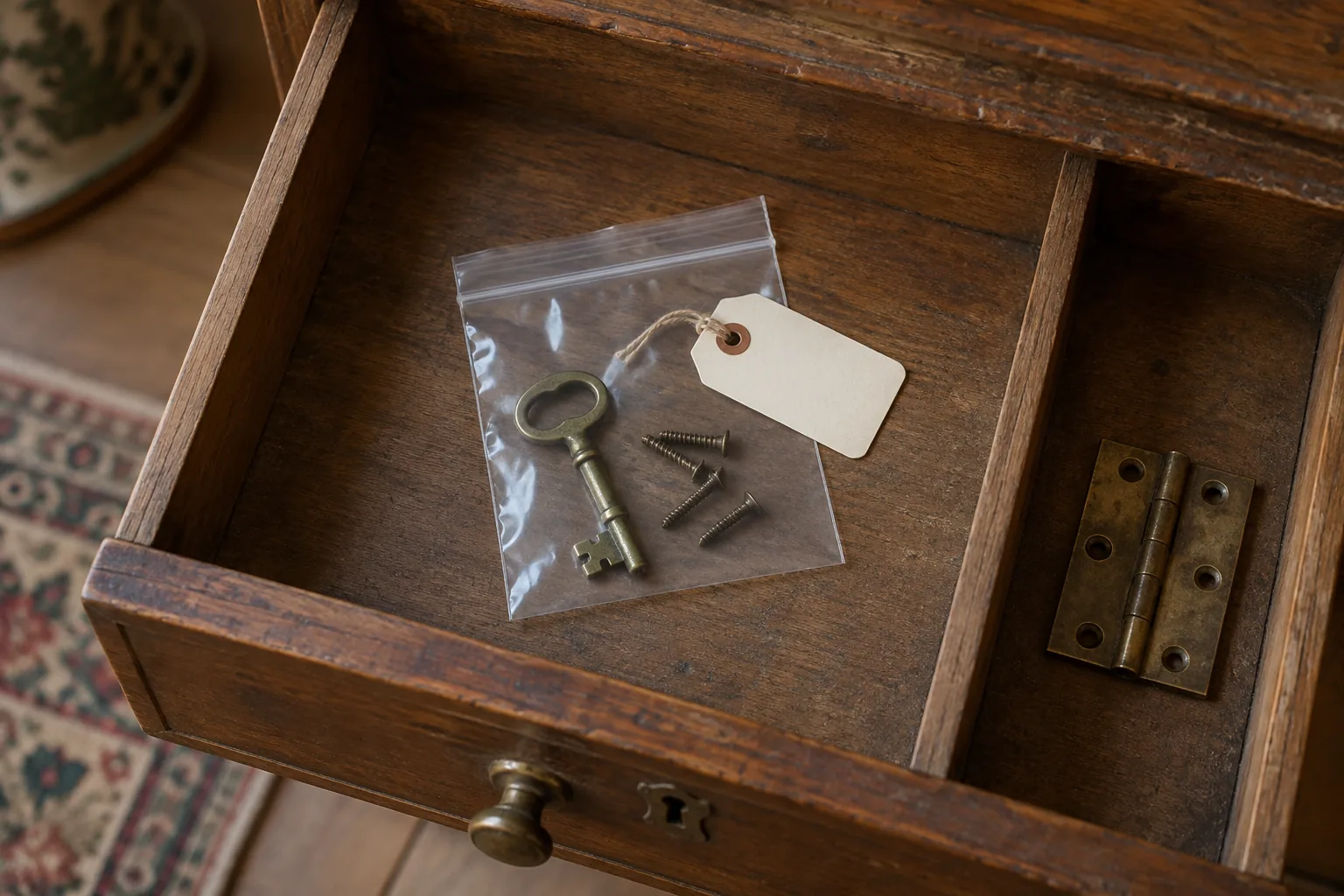 27
27The little bag of fittings needs a proper identity
A hinge, key or screw loses much of its usefulness when nobody knows where it belongs.
 28
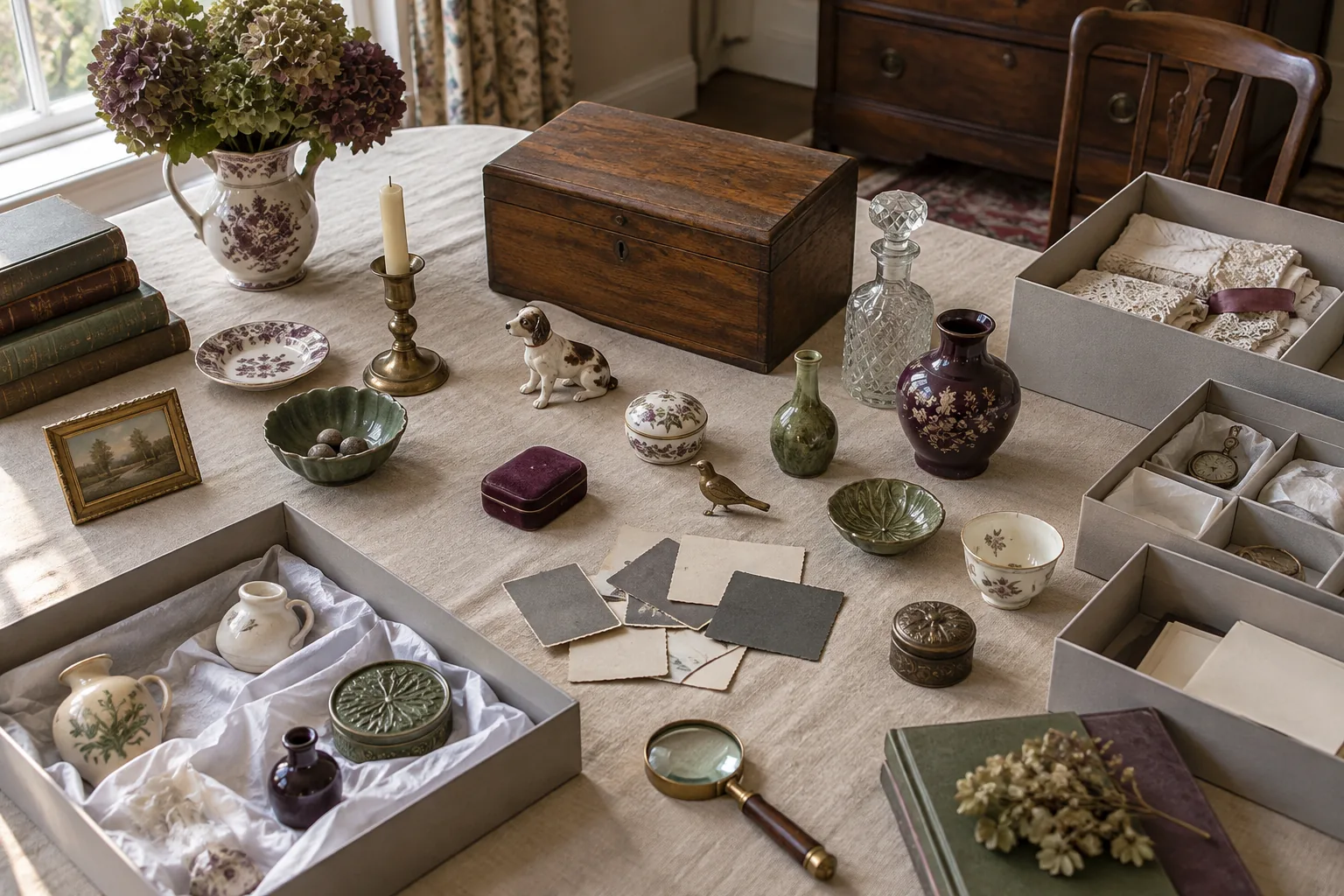
28Sorting an inherited collection without rushing its stories
Make the objects safe and the information findable before deciding what stays.
 29
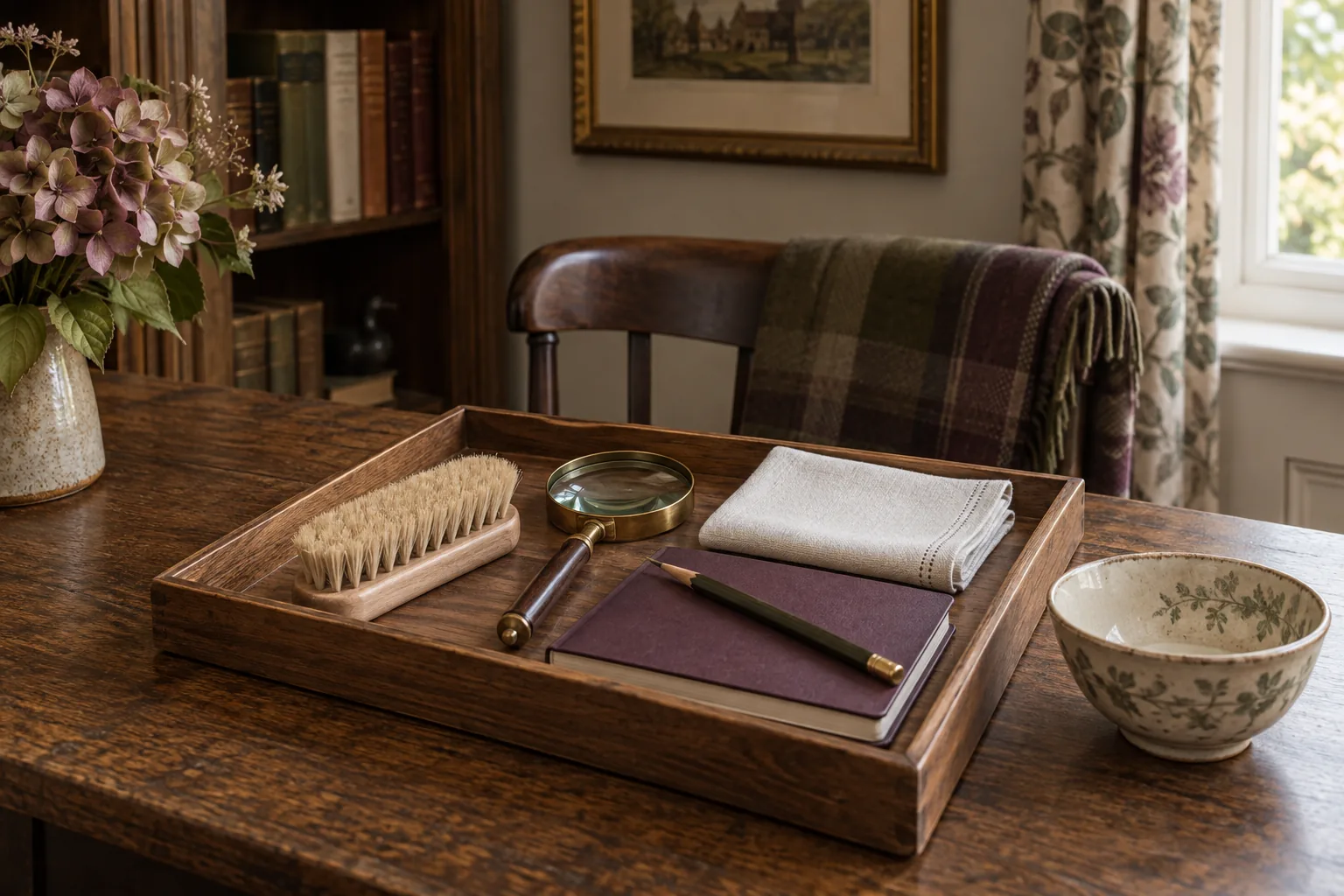
29A care kit with fewer products and better notes
The most useful supplies help you observe and organise before you intervene.