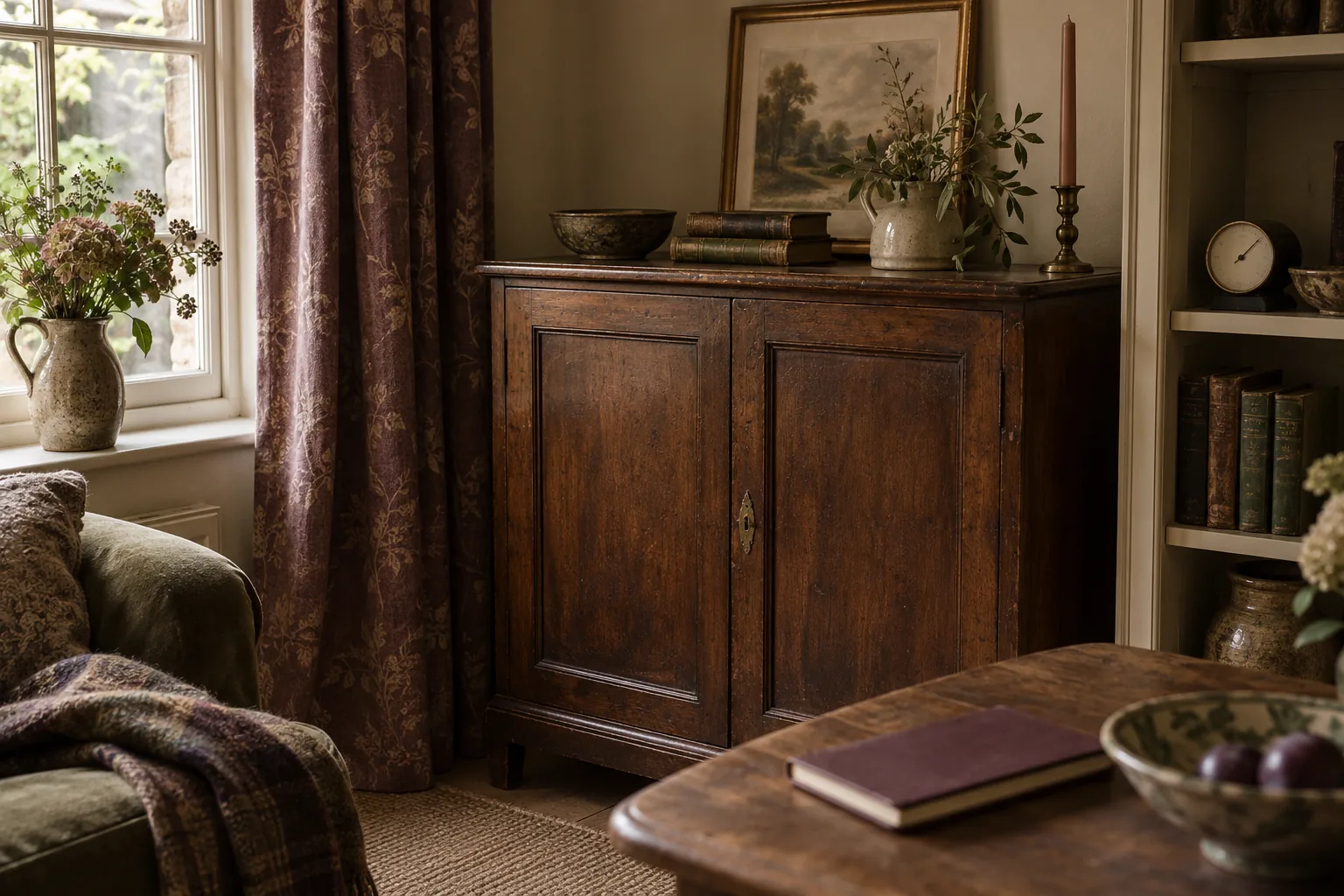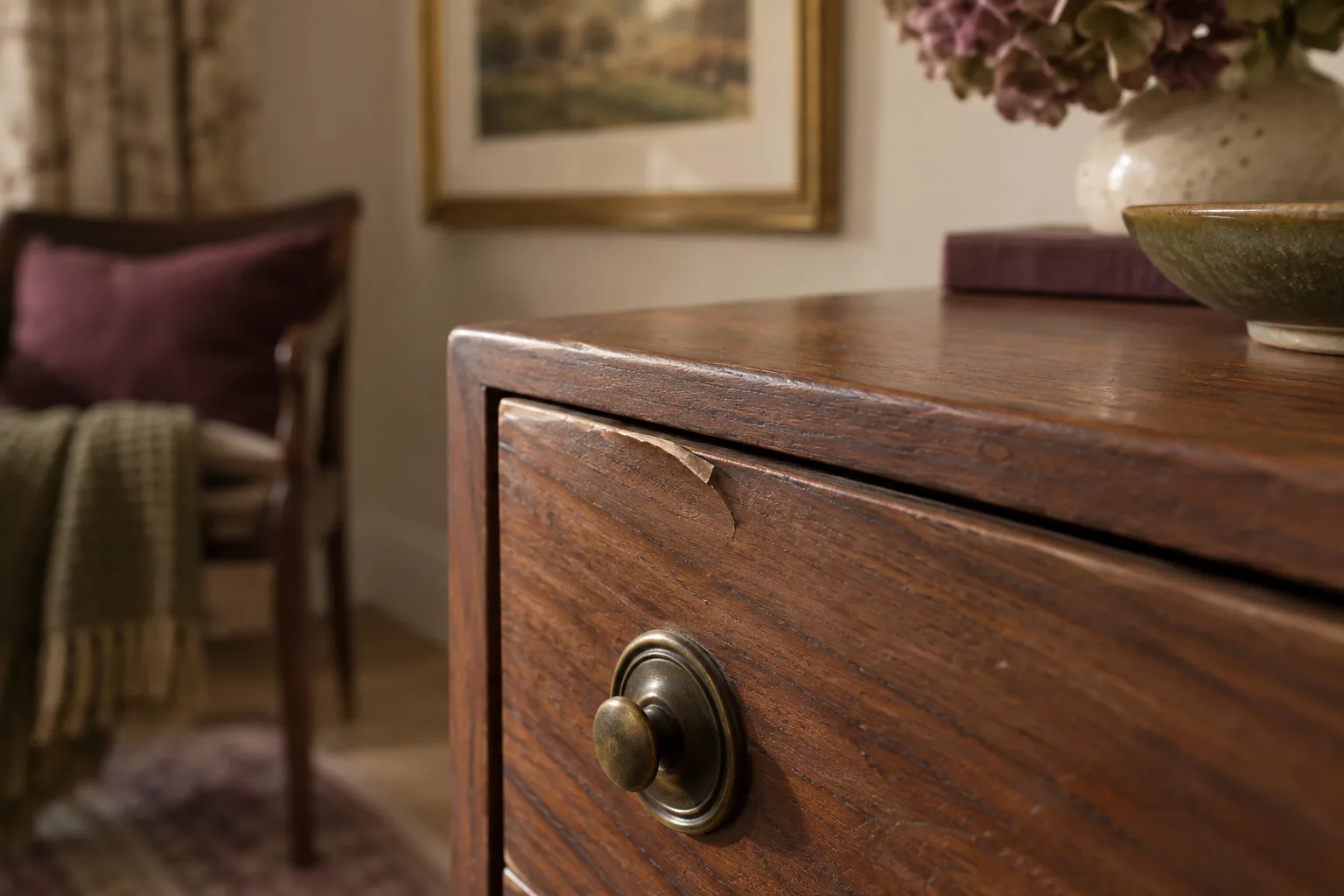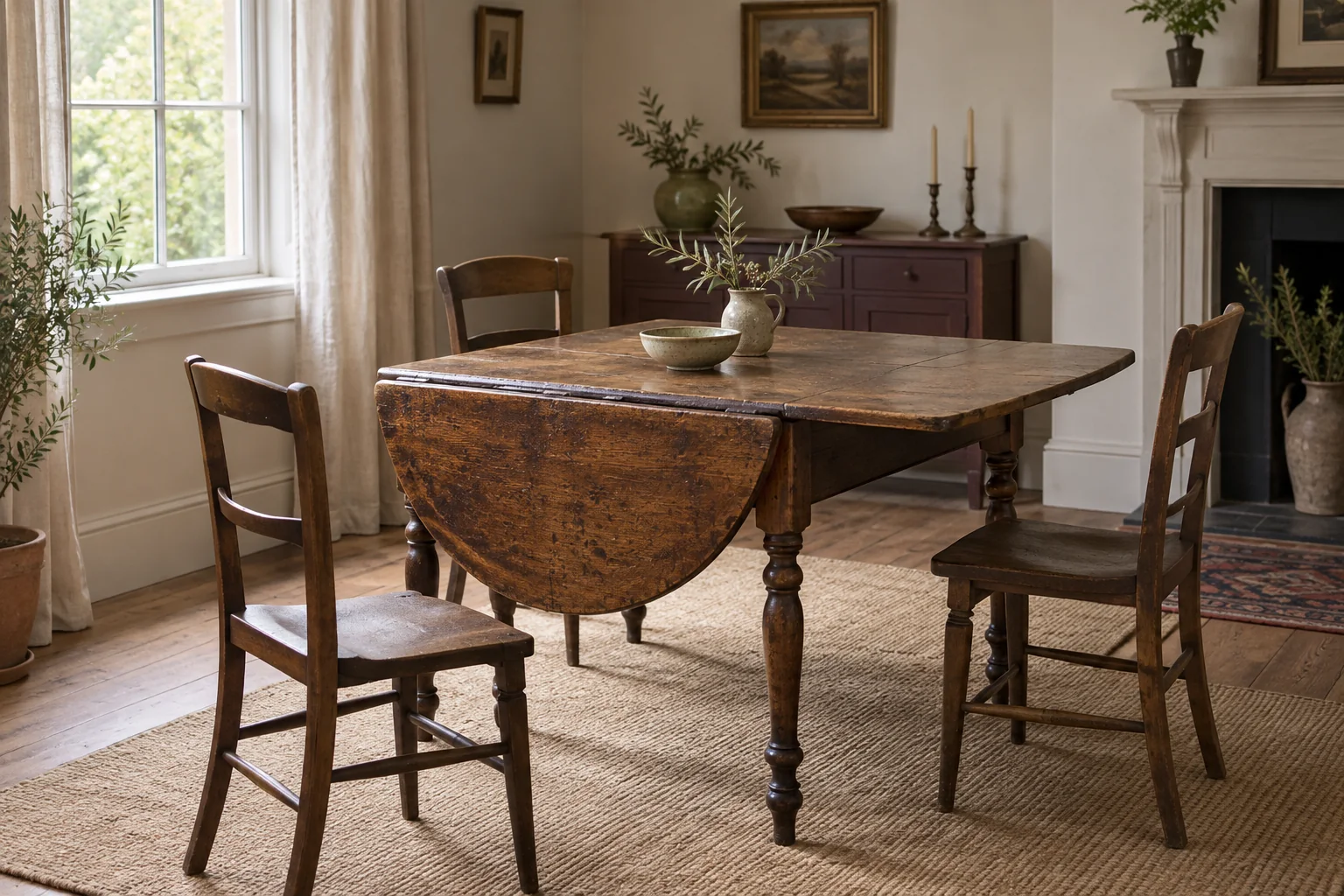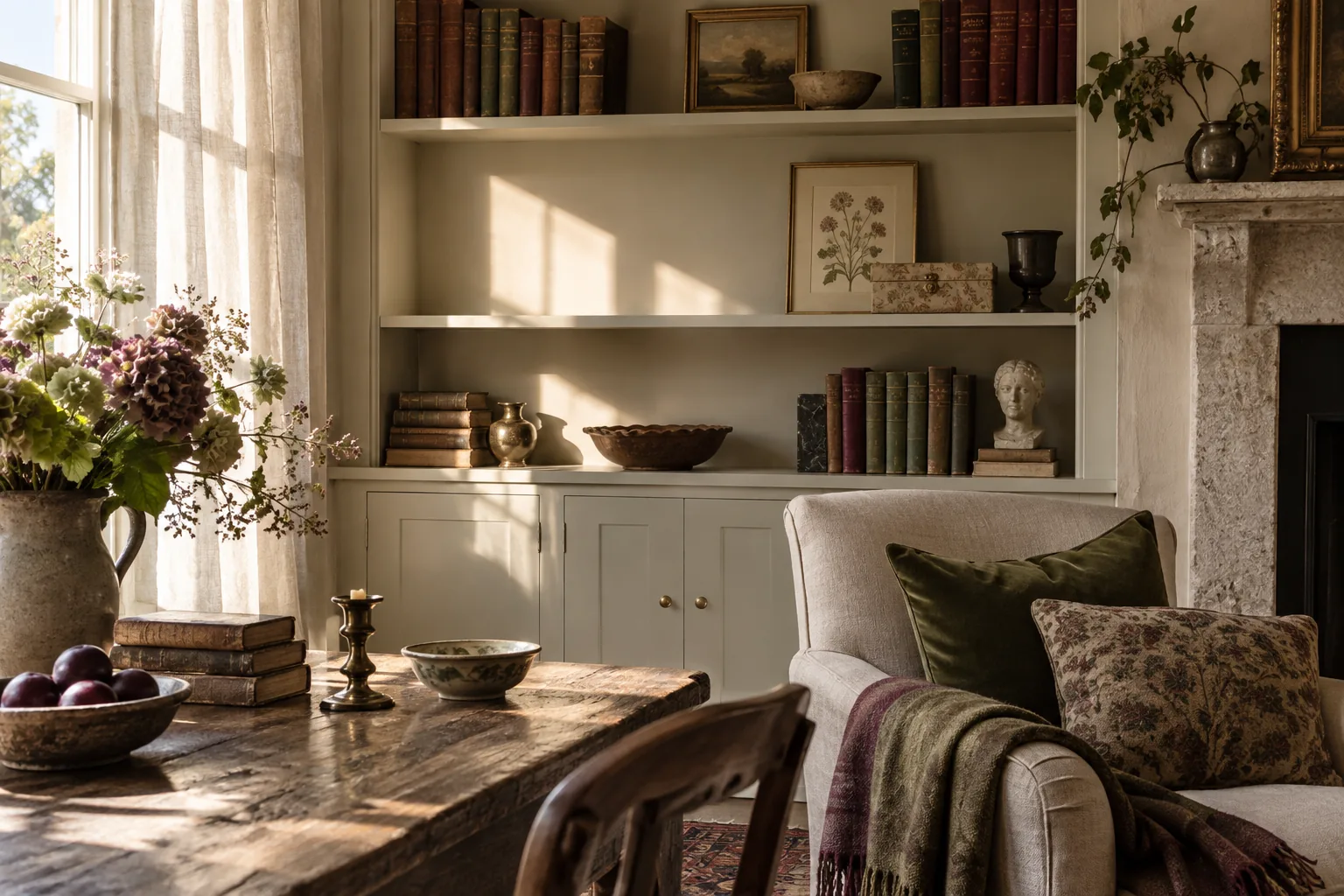
Watch the light move
A shelf can look shaded in the morning and sit in a bright beam by late afternoon. If you only notice it while leaving for work, you may never see that change. Spend a little time observing the room at different hours before placing a favourite textile, coloured print or other sensitive object there.
Photographs of the room can help you remember where the light falls, but they do not measure an object's exposure accurately. The exercise is simply a way to identify obvious patterns. A bright patch that repeatedly crosses the same cabinet is useful information when choosing what to display and where.
Think about time as well as brightness
The Canadian Conservation Institute's guidance for paper objects treats both the intensity and duration of light as relevant to care. It also explains that visible light can fade colour. Filtering ultraviolet light does not make unlimited display harmless. That distinction is useful when someone describes protective glazing as though it solves every lighting question.
Different materials and colourants respond differently, and condition matters. If an object is particularly important, ask a conservator about appropriate display rather than borrowing a museum number from an unrelated example. You can still make sensible everyday choices while waiting for that advice: avoid an obviously exposed position and turn off unnecessary display lighting.
Create another place to look
The best alternative is not necessarily a dark cupboard. A wall away from the direct beam may still allow you to enjoy a framed work. A cabinet elsewhere in the room may give a clearer view without competing reflections. Try the arrangement with a photograph or an empty frame before handling a fragile original repeatedly.
Consider whether a reproduction would serve the most exposed location. A good photograph of a family document can provide the visual connection you want while the original rests in suitable storage. That is a useful distinction between enjoying an image and continually exposing the physical object that carries it.
Rotate with a purpose
Changing a display can make a familiar collection interesting again. Choose a small group to show, record when it goes out and prepare appropriate storage for the pieces coming back. Rotation needs a practical plan; simply moving everything from one sunny shelf to another changes the arrangement without necessarily improving conditions.
Do not interpret a display timetable as a guarantee that fading will not happen. A conservator can advise on sensitive material and meaningful limits. Your own record helps make that conversation specific. It also prevents an object intended for a brief appearance from remaining in place for several years because nobody remembered when it arrived.
Keep the room liveable
Curtains, blinds and changes to lighting can be part of a thoughtful arrangement, but choose measures that suit normal household life. If protecting one object requires everyone to keep a favourite room permanently closed, consider moving the object instead. Care is easier to sustain when it fits the home.
Finally, look at the display from where you actually sit. A quieter wall may offer a better view than the dramatic sunny shelf ever did. The object can become easier to notice when glare and competing reflections are removed. Good placement is therefore more than a restriction: it can give you a more comfortable way to enjoy what you own, with less dependence on a particularly flattering moment of light.