Begin with the outcome you need
A loose chair, a chipped figure and a faded textile all invite the phrase needs restoring. Yet the desired outcomes may be very different. One object must become safe for use, another may need a vulnerable area stabilised, and a third may be perfectly stable but look different from what its owner expects. Name the problem before choosing the service.
Write down what matters most about the object. It might be its usefulness, existing surface, family association, construction or visual appearance. Rank those priorities if they conflict. Wanting a chair for daily use and wanting every old upholstery layer retained may require a more detailed conversation than either aim suggests alone.
Do not rely on terminology alone
People use repair, restoration and conservation in different ways. Ask the practitioner to describe the actual proposed work, what will be removed, what will be retained and what new material will be introduced. A familiar word on a business card does not answer those questions.
Icon's ethical guidance discusses principles governing conservation decisions. Its value to an owner is in encouraging attention to the object and the consequences of intervention, rather than assuming that a newer appearance is always the goal. A suitable specialist can explain how those considerations apply to the particular piece.
Ask what can be achieved without treatment as well. A change in use, display or storage may address an immediate concern while leaving more substantial decisions open. This is especially useful when you have just inherited an object and are still learning what you want from it.
Distinguish stability from appearance
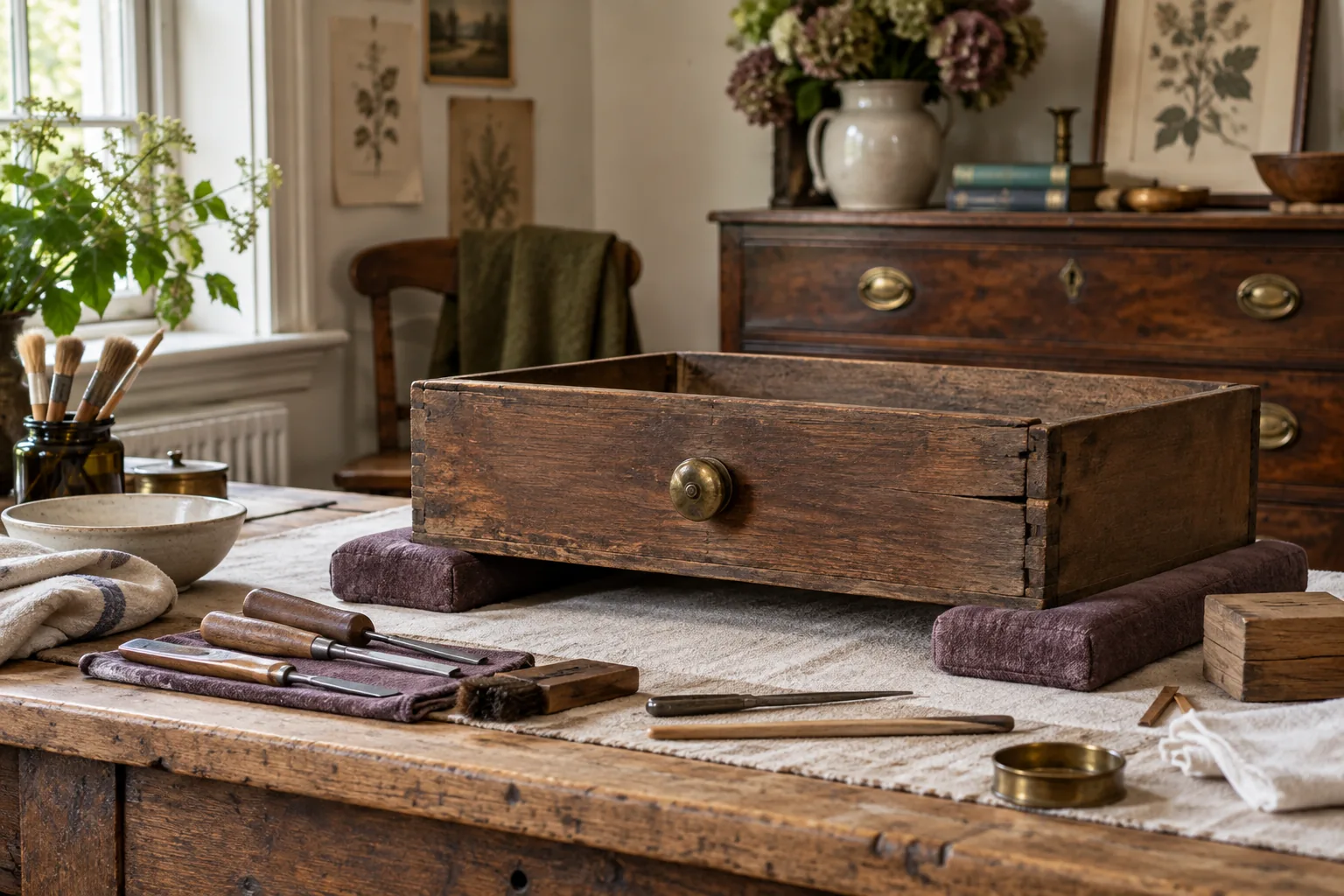
A visible mark can be stable, while a less obvious loose component needs attention. Request an assessment that separates those issues. Otherwise, the most conspicuous feature may receive all the discussion even though it is not the most pressing concern.
Ask how the proposed work will affect future care. Will the object remain suitable for its current role? Will it need different handling or a more protected position? A treatment that produces a pleasing photograph but leaves you unclear about daily use is an incomplete answer to a domestic need.
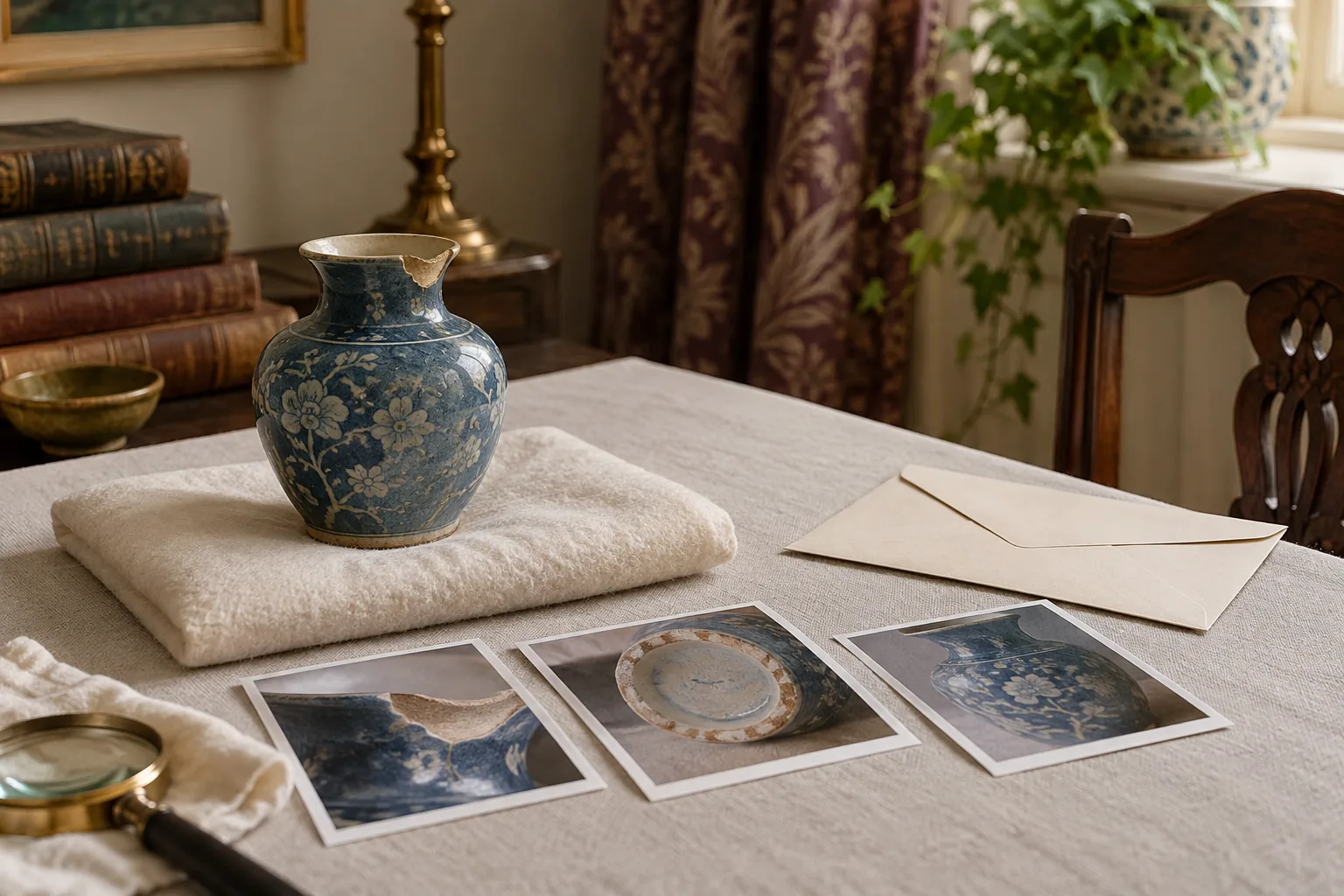
For example, a repaired ceramic figure might be intended for display rather than handling, while a chair may need a separate assessment before seating use resumes. Avoid treating the word repaired as a universal statement of capability. The limits should be explained in terms relevant to the object.
Make room for uncertainty
Some questions cannot be resolved from photographs or before closer examination. Ask which parts of an estimate are firm and which depend on what is found. Agree how new discoveries and possible changes to scope will be discussed. Uncertainty is easier to manage when it is acknowledged before work begins.
Do not demand a promise of invisibility where the practitioner says that outcome is uncertain or unsuitable. A careful result may retain evidence of age or distinguish new material subtly from old. Ask to see comparable work and to understand the reasoning, while remembering that another object's result is not a guarantee for yours.
Keep the object and the record together
Request an appropriate account of condition, treatment and future care. Keep it with earlier photographs and ownership information. If components are replaced, discuss whether removed material should be retained and how it will be identified. The record should make the work understandable to the next person who assesses the object.
Review the completed result against the agreed purpose, not against an imagined brand-new version. Does the object have a suitable role? Are its limitations clear? Do you know how to care for it? Those questions often provide a better measure of success than whether every trace of its previous life has vanished.
Choosing less intervention can be a deliberate outcome; choosing substantial work can also be justified when the reasons and consequences are understood. The useful distinction is between a considered plan and an automatic makeover. A valued object deserves a decision based on what it is, what condition it is in and what you hope to preserve.