Start with one object
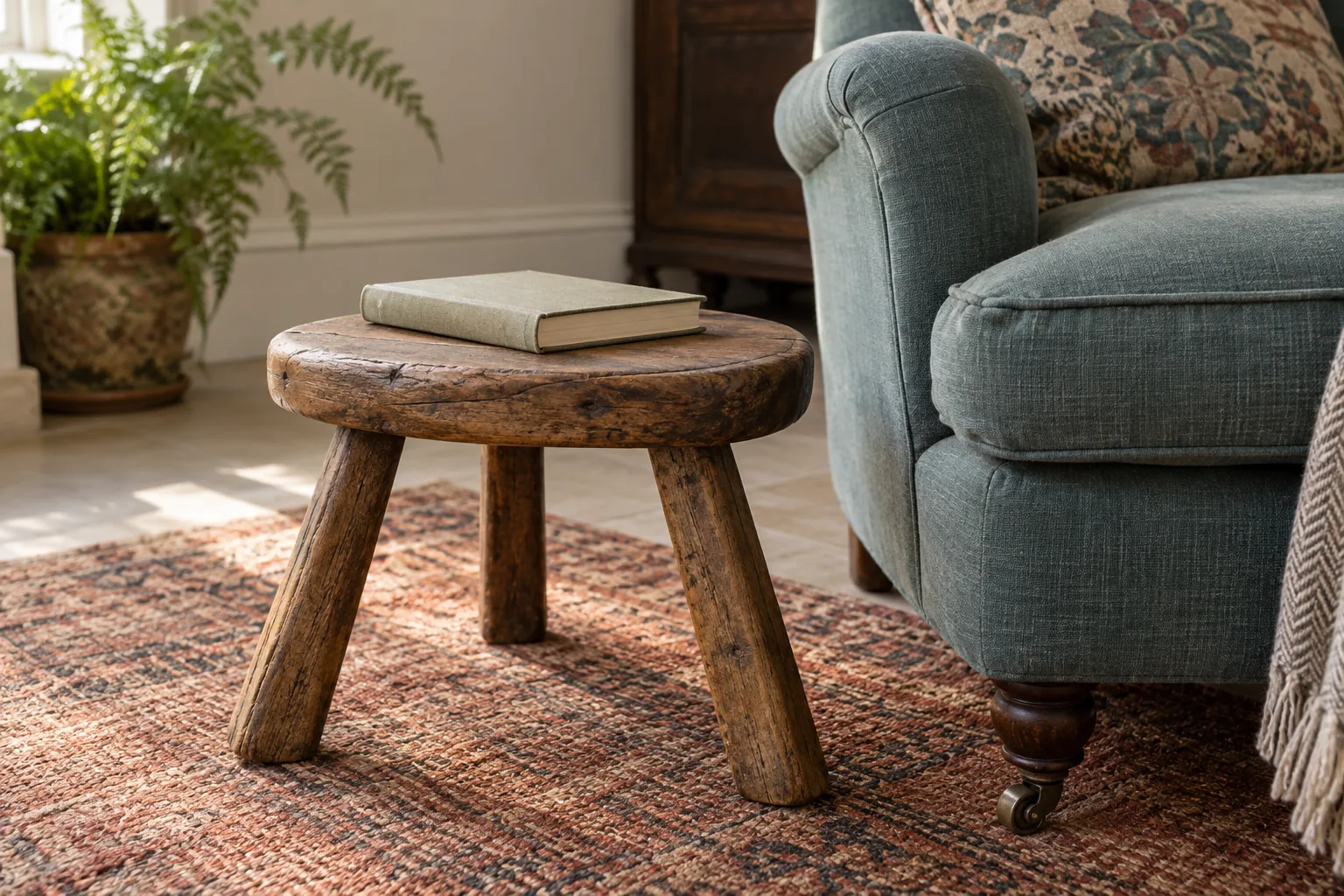
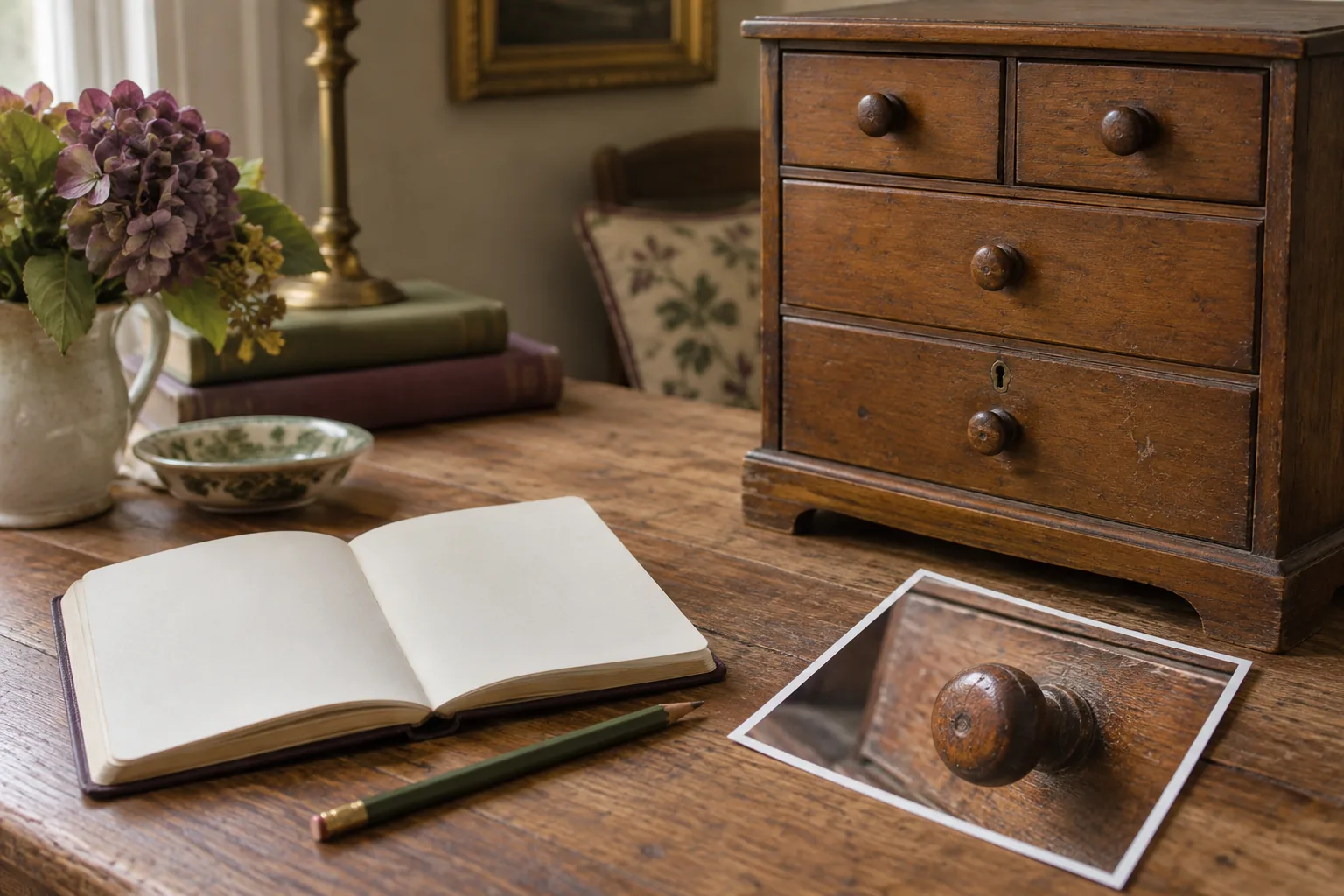
A collection notebook can sound like a project requiring a weekend, a spreadsheet and a new filing system. Begin more modestly. Choose one object you care about and record enough information that another person could recognise it. A short description, an overall photograph and its usual location create a useful starting point.
Give it a simple reference that will remain understandable as the collection grows. Avoid a code so elaborate that you need another document to interpret it. The reference belongs in the records and on suitable separate packaging where appropriate, not applied directly to an old surface without advice.
Describe what you can see
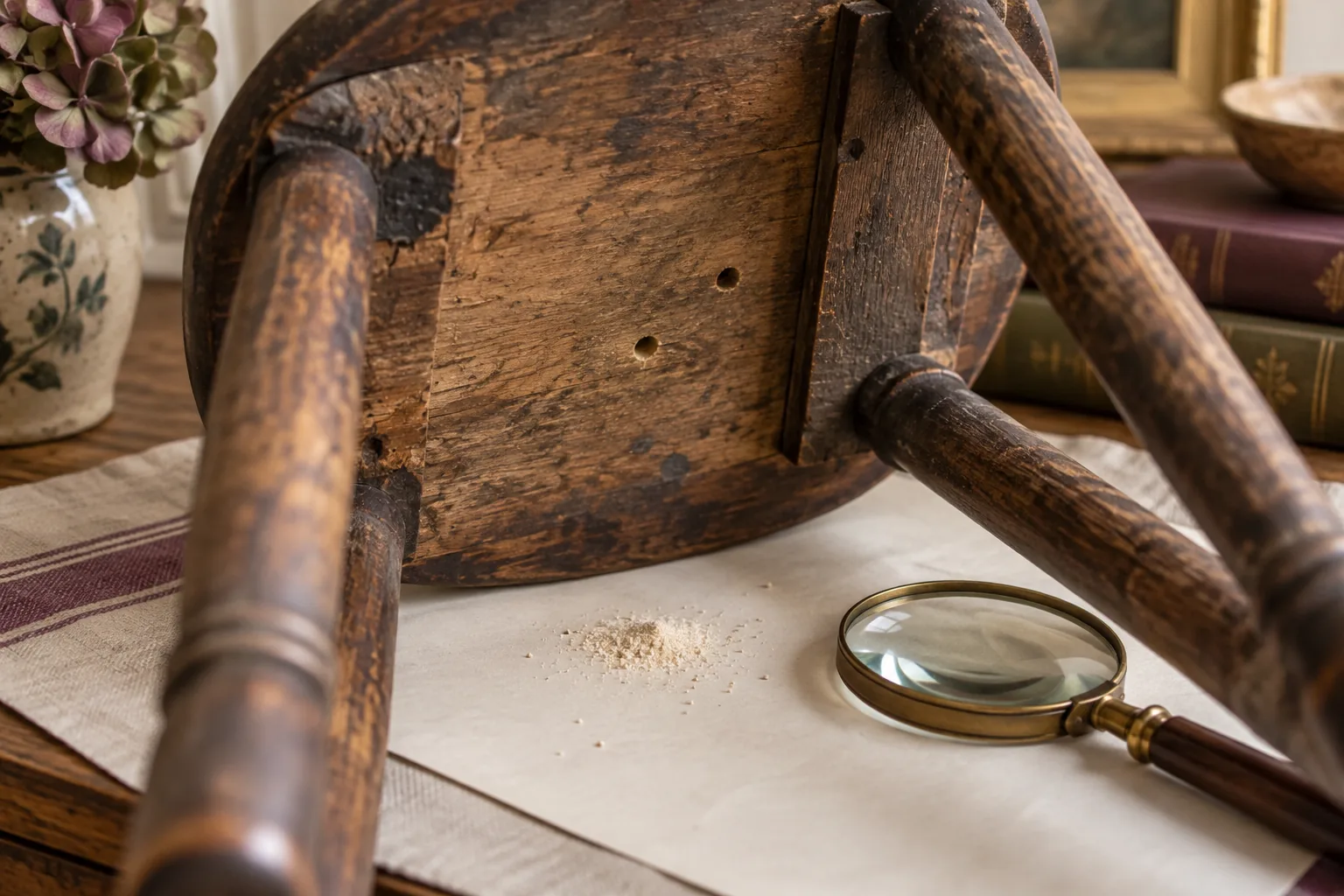
Write observations rather than diagnoses. A narrow line beside the lower hinge is more useful than structural failure if no specialist has assessed it. Likewise, a pale patch on the top records a fact without assuming that water caused it. Precise ordinary language helps keep uncertainty honest.
Include position, approximate size and whether the feature appears stable or has changed since the previous check. A sketch can be helpful when several similar marks exist. Keep it simple enough to repeat. A detailed drawing you never update is less useful than a clear photograph with a consistent caption.
The Canadian Conservation Institute's preventive framework includes regular inspection as a way to detect problems. A domestic notebook translates that into a manageable habit: notice, record and decide whether advice is needed. It does not turn the owner into a conservator or make every mark a treatment project.
Take photographs that answer a question
Use an overall view to establish context, then a closer image of the feature. Try to repeat the angle and lighting when comparing changes. A dramatic image with strong shadows may be attractive but make condition difficult to interpret. Keep an unedited original rather than relying only on an image enhanced for sharing.
Name files so the object reference and date are clear. Store them beside the notes or link them in a way you understand. Back up the records somewhere other than the device used to take the photographs. The point is to preserve information, not merely to accumulate images in a camera roll.
Do not move a fragile object solely to achieve a perfect photograph. Record what is safely visible and explain the limitation. A conservator can advise whether additional views are necessary and how they should be obtained.
Record the ordinary events
Add a note when the object changes location, travels for treatment or receives an agreed care action. Keep invoices and treatment reports with the same reference. If someone else cleans or moves it, ask them to tell you what they did, especially if anything unusual happened.
Separate known history from recollection. A family member's memory can be valuable without being certain. Record who supplied it and when, using wording such as believed to have belonged to rather than presenting a guess as established provenance. The distinction protects the usefulness of the record for future research.
Choose sensible review moments
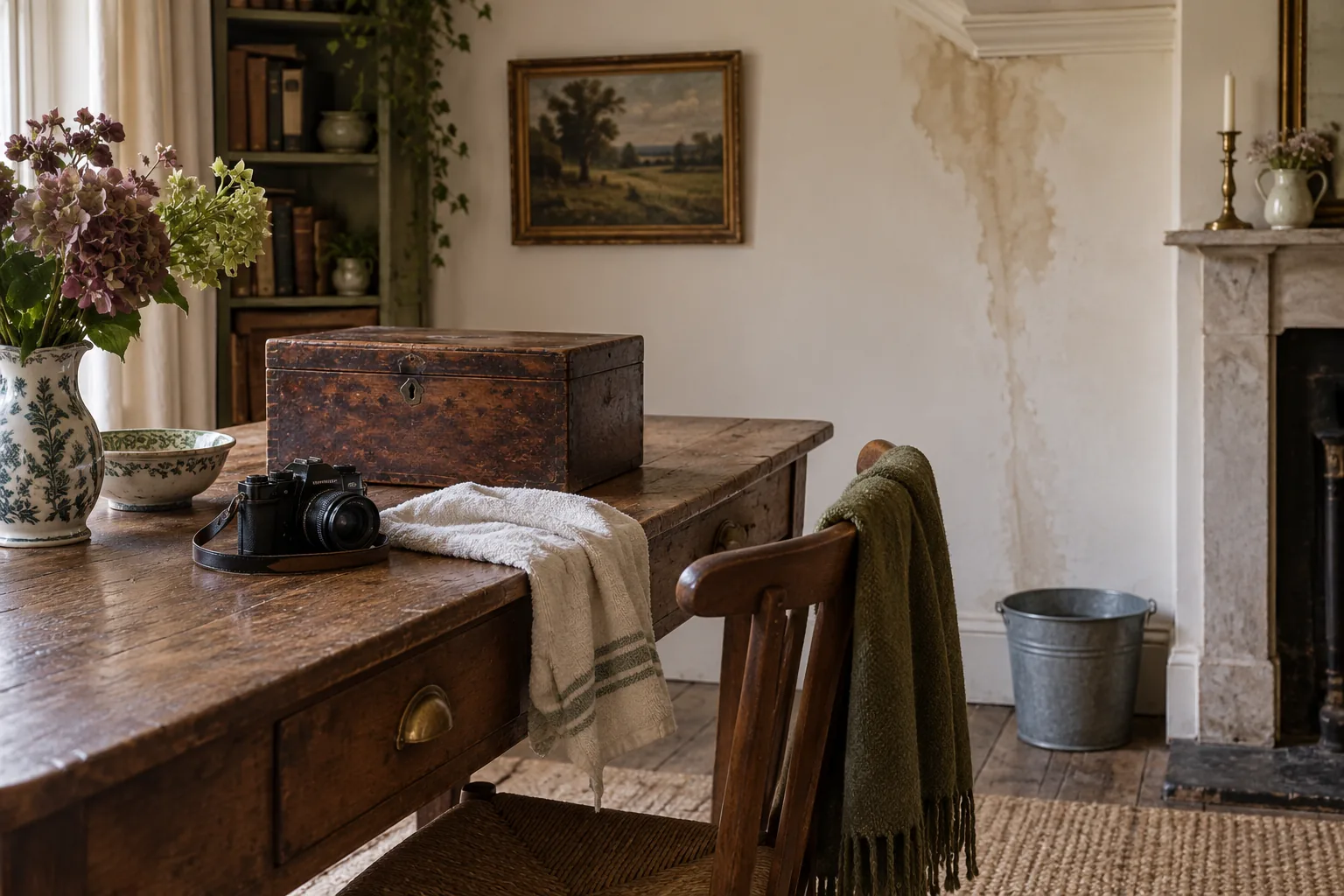
A check after a move, building work or a leak can be more informative than an arbitrary inspection performed because the calendar demands it. A regular review is useful too, with the timing informed by condition and any professional advice. Include occasional notes that no change was observed.
If a new issue is active, unsafe or worsening, seek timely advice rather than waiting for the next planned review. The notebook should help the response, not delay it. Send relevant extracts and photographs with your enquiry so the professional does not have to reconstruct the sequence from memory.
At the end of the year, review the system itself. Can you find the right photograph quickly? Are descriptions clear to somebody else? Remove unnecessary complexity while retaining the information. A successful notebook becomes a quiet companion to ownership: enough detail to recognise change, enough context to ask a good question and enough simplicity that you continue using it.