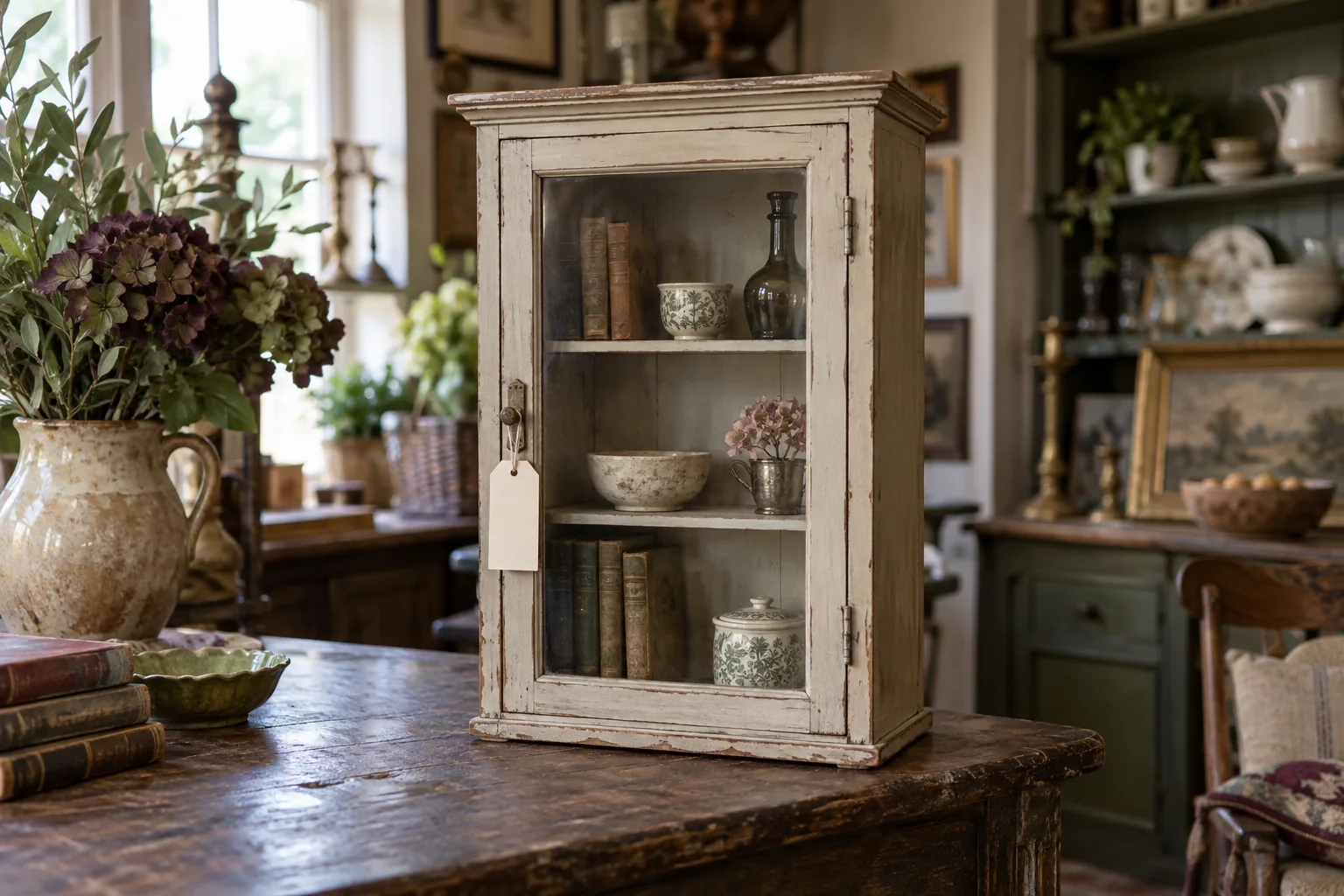
Buying
What to clarify when a seller offers to hold an item
Make the item, timing, payment and next step explicit so that a helpful arrangement stays easy to understand.
Before the excitement of a find comes the useful part: asking, measuring and checking. These guides help you decide what belongs at home and what is better left behind.
Make the item, timing, payment and next step explicit so that a helpful arrangement stays easy to understand.
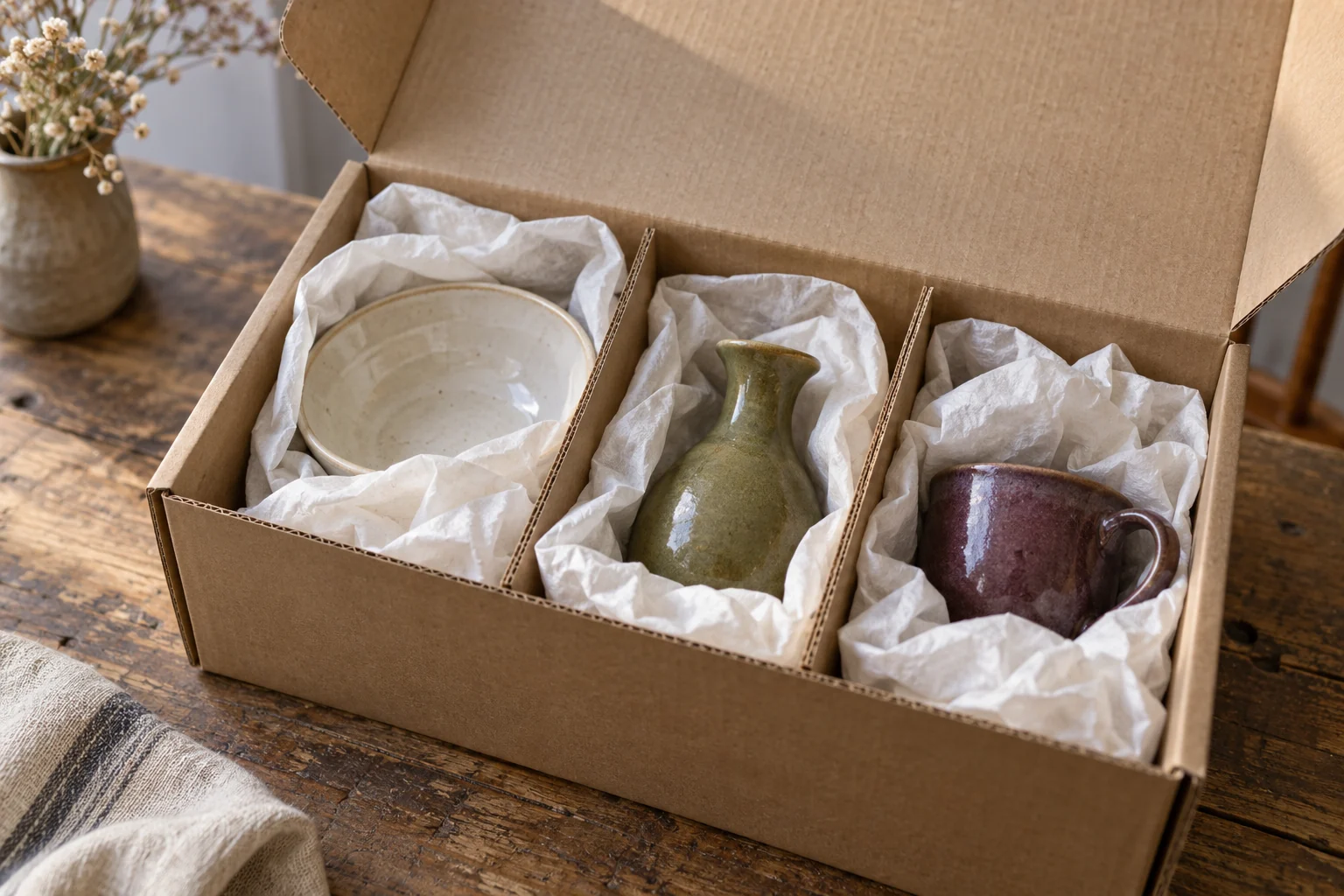
Agree the practical details with the seller and collector so that the object, people and timing all match the plan.
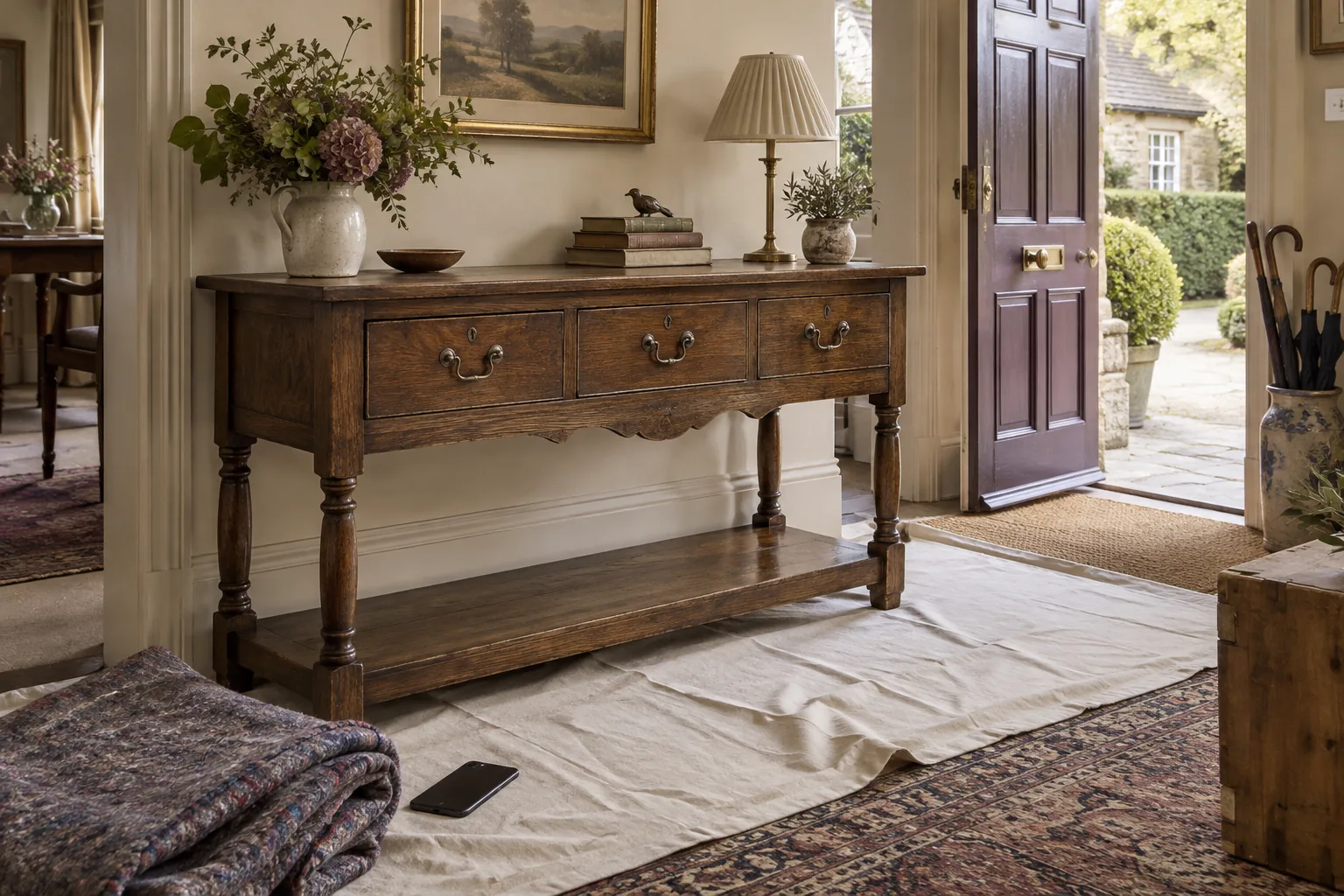
Prepare the relevant details, compare the item with your records and document concerns without turning arrival into a confrontation.

Judge a single chair, lamp or decorative object on its own role instead of assuming it needs a matching companion.
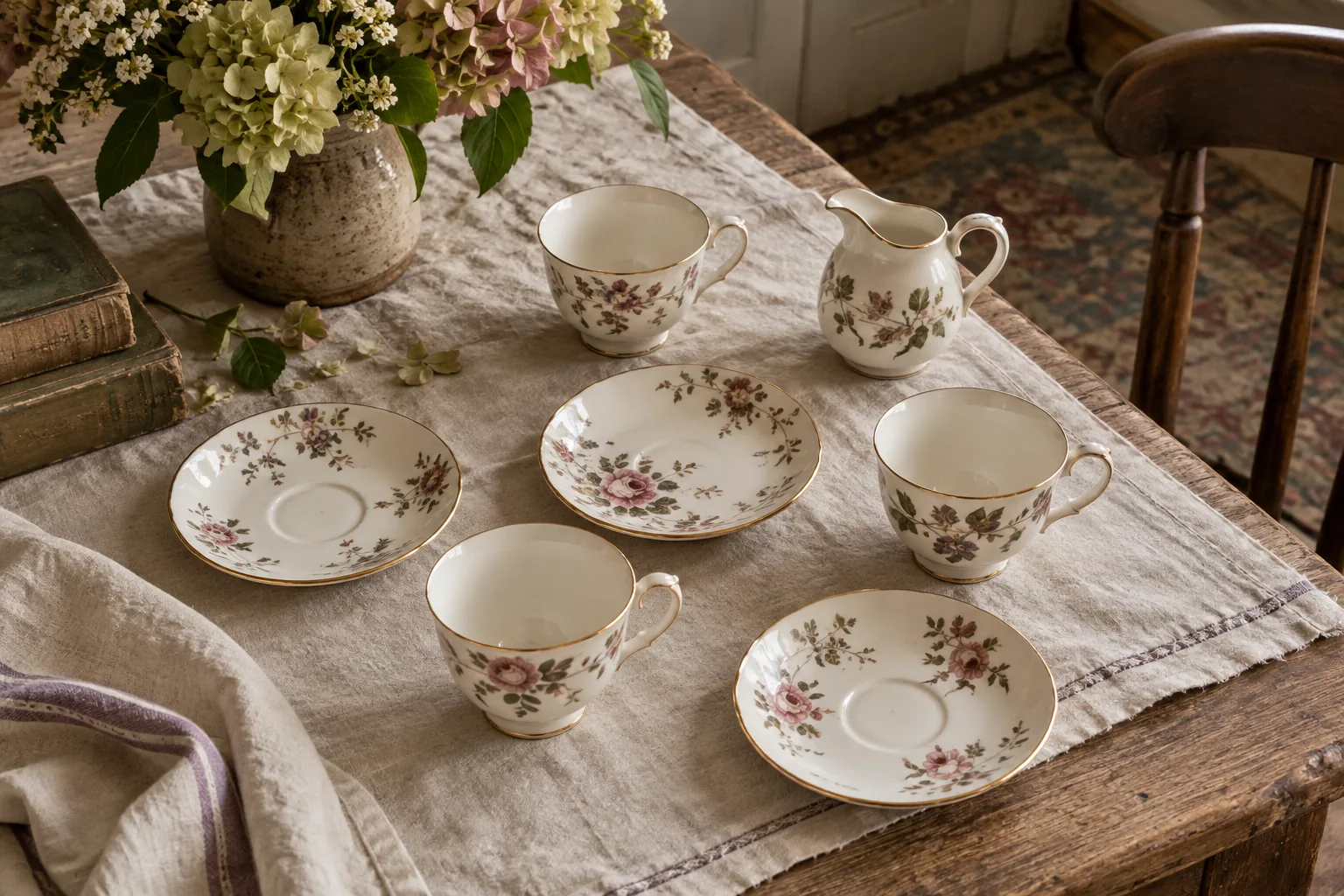
Count what is present, decide how it will be used and avoid buying a permanent search for missing pieces.
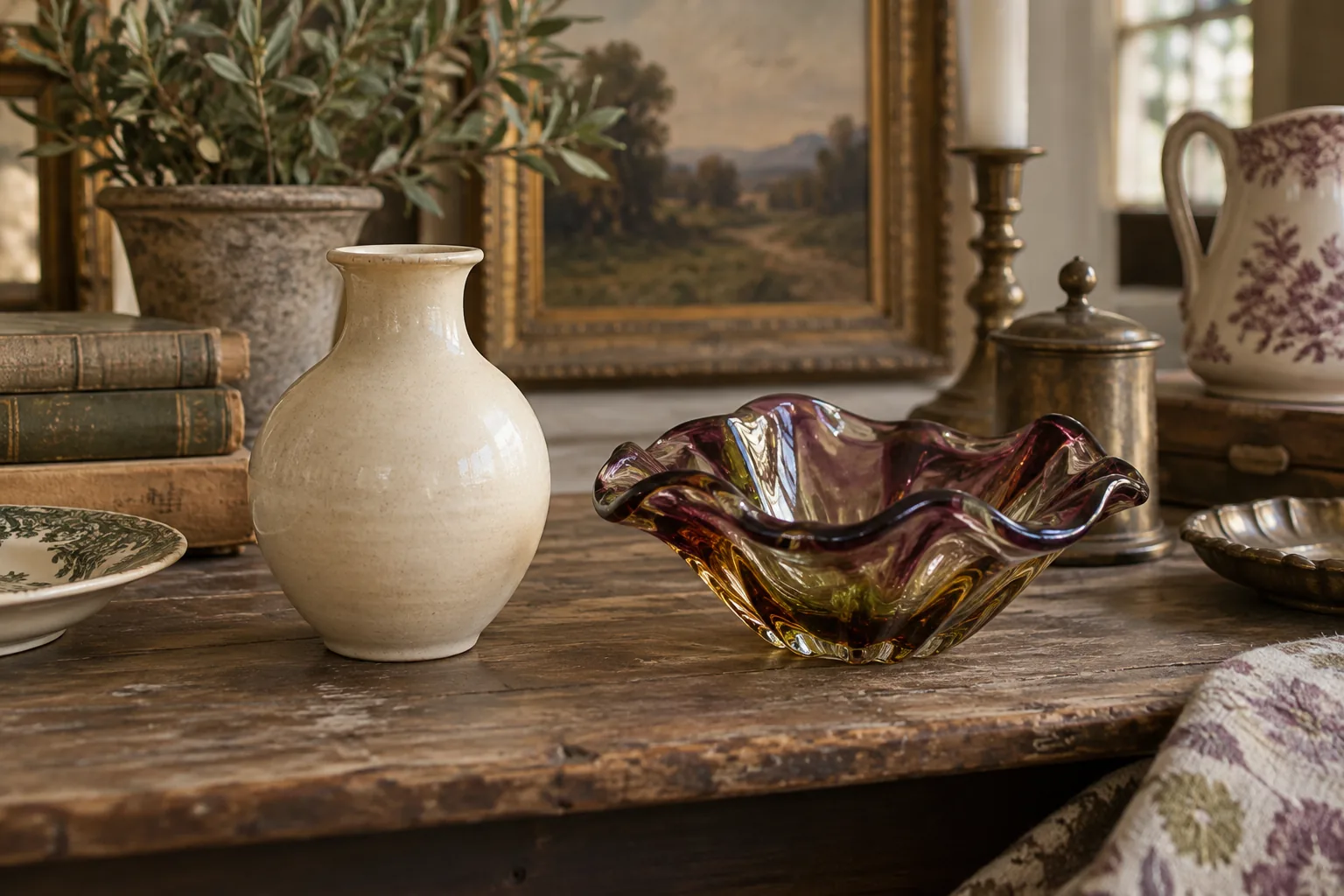
Use another person's eyes for useful questions without handing over the decision about what belongs in your home.
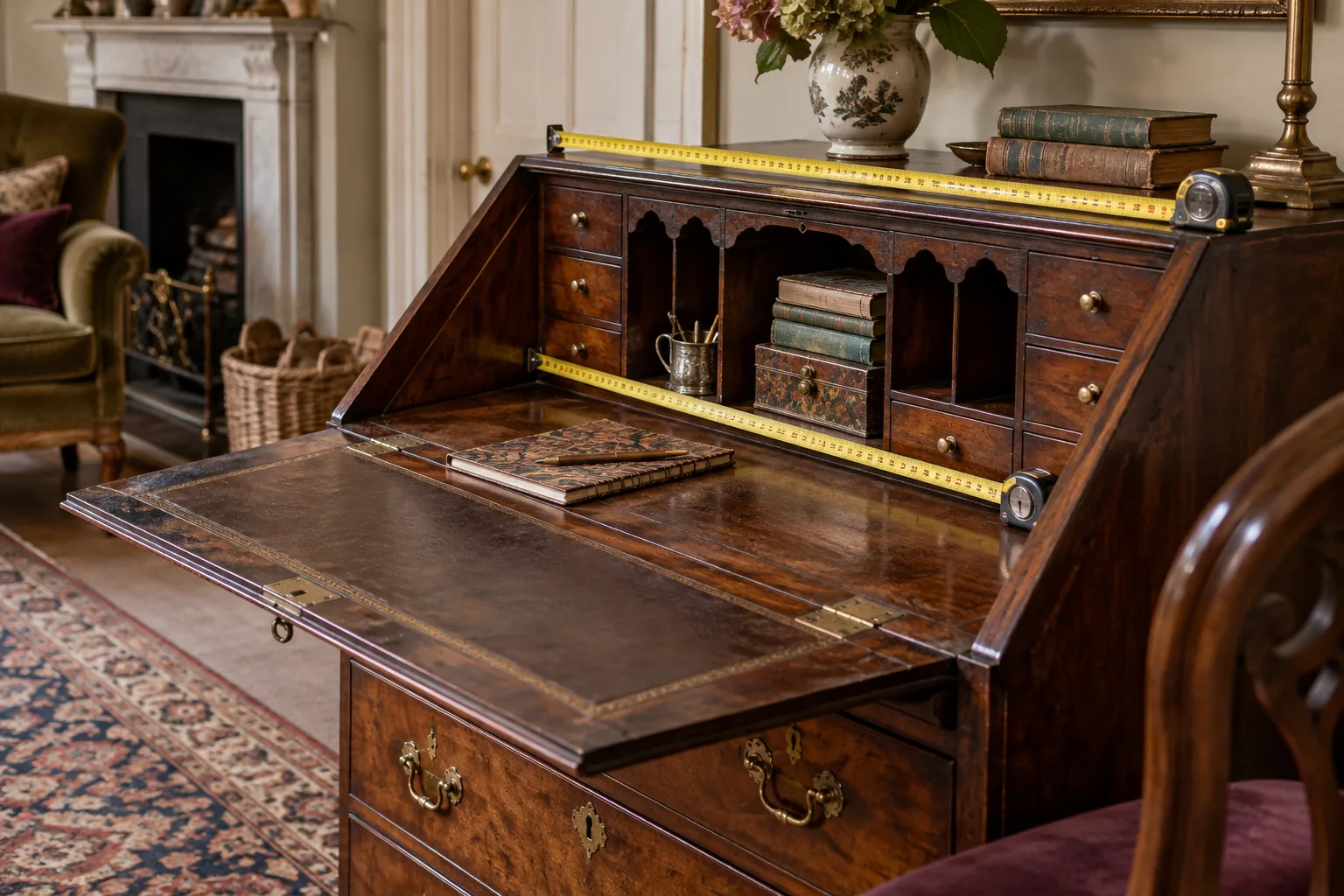
Clarify the order, units and measuring points before a reassuring set of numbers becomes an unwelcome surprise.
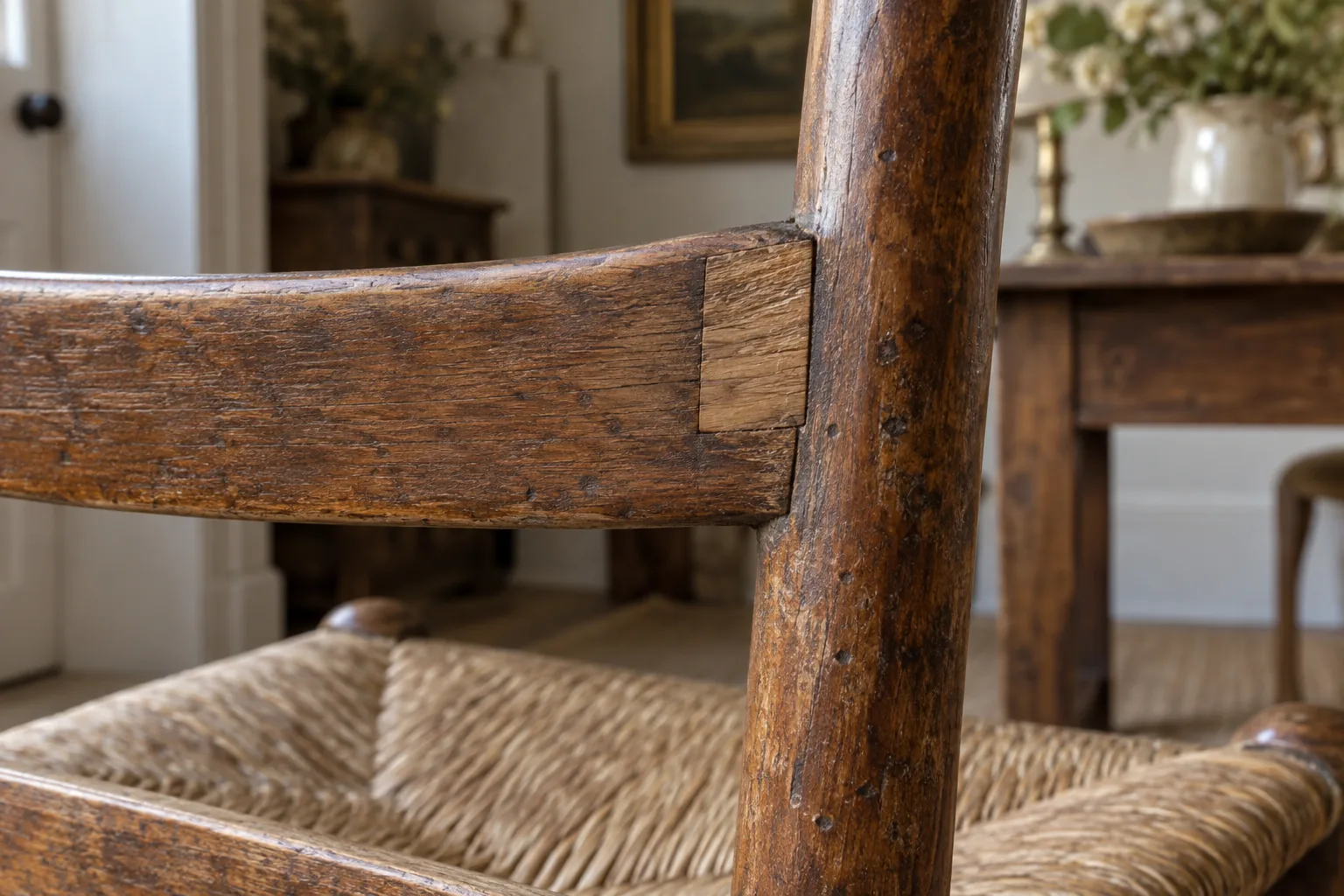
Find out what is known, which work affects the intended use and where specialist assessment may be needed.

Set personal condition boundaries before a seller's description persuades you to accept something that will keep bothering you.
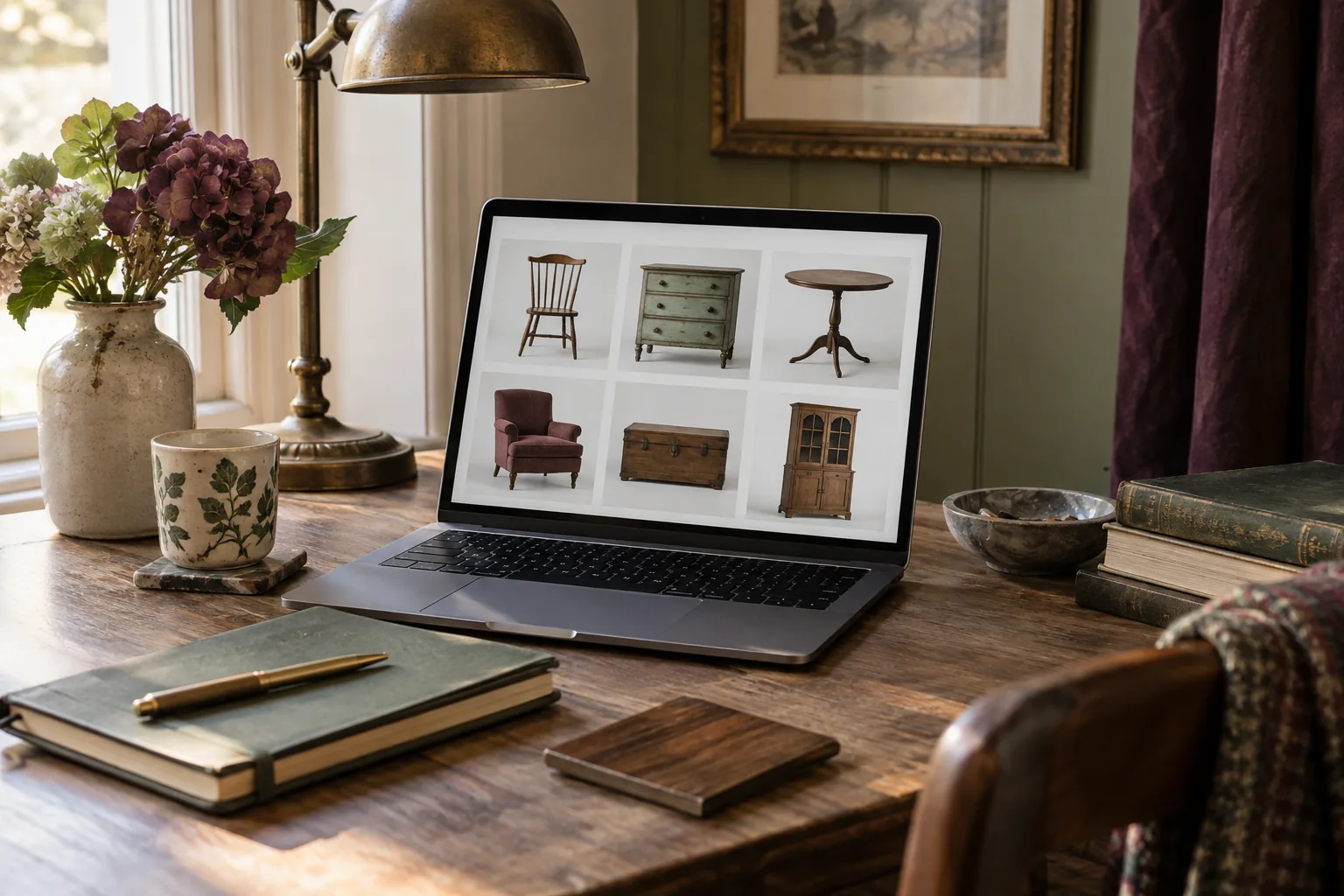
Use a small set of useful terms, practical filters and saved notes to turn endless scrolling into a clearer search.

A brief check of place, purpose and unresolved questions can preserve the excitement while improving the decision.
Keep ownership history, attribution and appealing anecdotes distinct when deciding what a seller's account really establishes.