Give both objects the same job
Comparing vintage pieces is rarely as tidy as comparing two versions of the same new product. One cabinet may be shallow and beautifully proportioned; another may hold more and have a finish you prefer. Begin with the purpose they are competing to fulfil. If that purpose keeps changing to favour whichever piece you are considering, the comparison will not help.
Write one sentence describing the job, including the room and the main activity. For example, you need enclosed storage for dining things beside an existing table. Judge both objects against that sentence before considering their individual attractions. This prevents an impressive but unsuitable feature from dominating simply because it is easy to notice in a photograph.
Compare the useful dimensions
Overall size is only part of the assessment. Look at interior capacity, shelf spacing, drawer depth and the room required for doors to open. A larger object can offer less useful storage if its compartments have awkward proportions. Measure the belongings you intend to store so the comparison remains connected to real needs.
Imagine both pieces in use, not only in position. If one requires you to move a chair every time its door opens, note that as a daily inconvenience. If another has a generous top but little room for the items inside, record both facts. A plain table of observations can be useful, provided it contains meaningful details rather than a score that conceals how different the compromises actually are.
Bring each option to the same condition
One piece may be ready for your intended use while another needs professional work. Compare them at the point where they would be usable in your home, including the cost, time and uncertainty of reaching that point. Avoid placing a confirmed delivery quote beside an optimistic guess and treating them as equivalent information.
If necessary work has not been assessed, keep that option explicitly unresolved. You may choose to investigate further rather than decide immediately. A lower asking price does not automatically compensate for unknown repairs, and a higher price does not prove better condition. The comparison should show what is known about each object, what is estimated and what remains a question.
Describe the attraction precisely
Give aesthetic preference its proper place. Instead of writing that one piece has more character, describe what you mean: a curved front, visible timber grain, a quieter silhouette or a colour that relates well to the room. This helps you see whether the attraction is central to your enjoyment or mainly a response to the seller's styling.
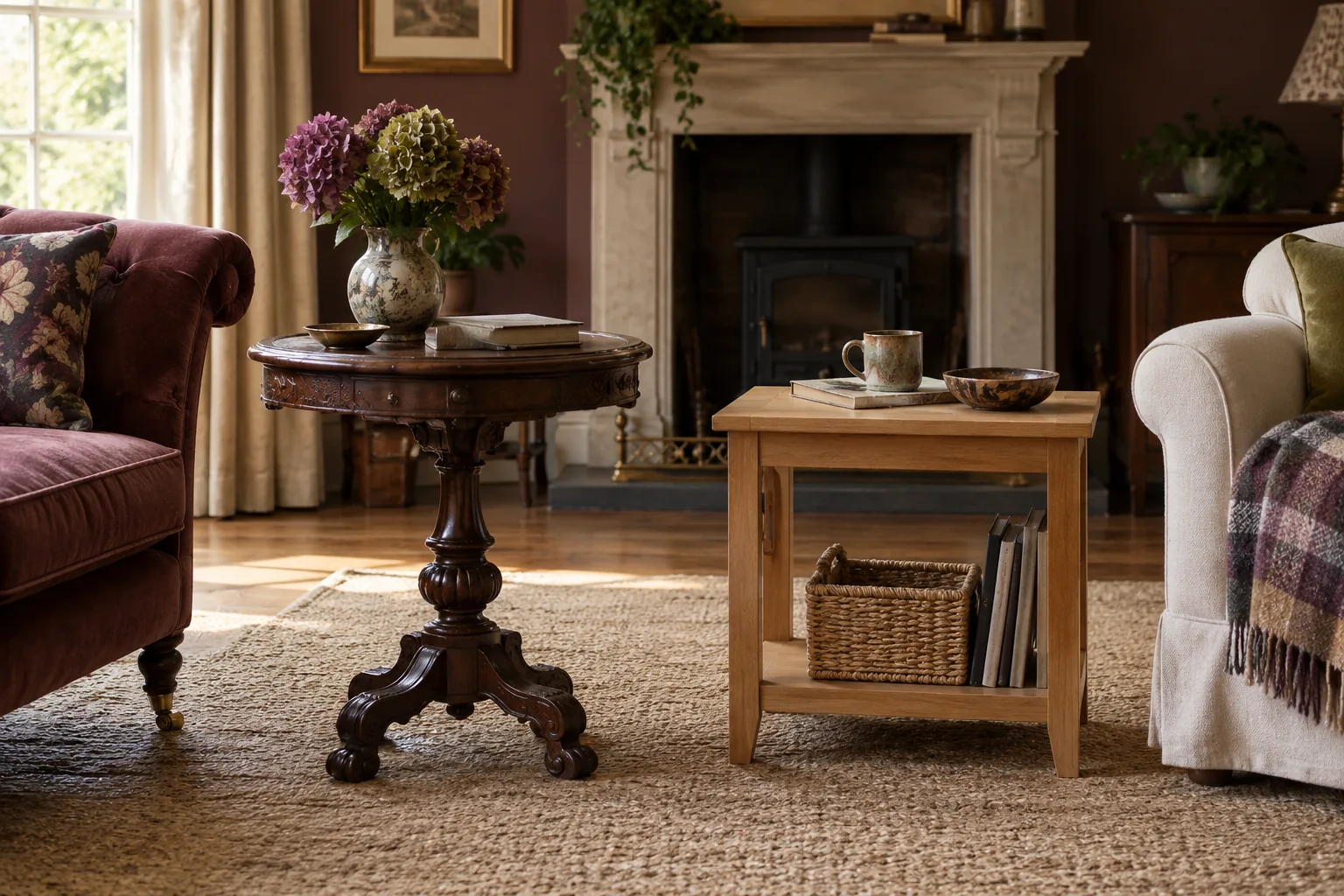
Consider how each piece will sit beside the belongings you already own. A dramatic object may be exciting alone and difficult in the intended corner. A simpler one may become more interesting in combination with a favourite picture or textile. Neither response is inherently better. You are comparing the whole future arrangement, rather than judging which isolated object makes the strongest first impression.
Use an ordinary-day example
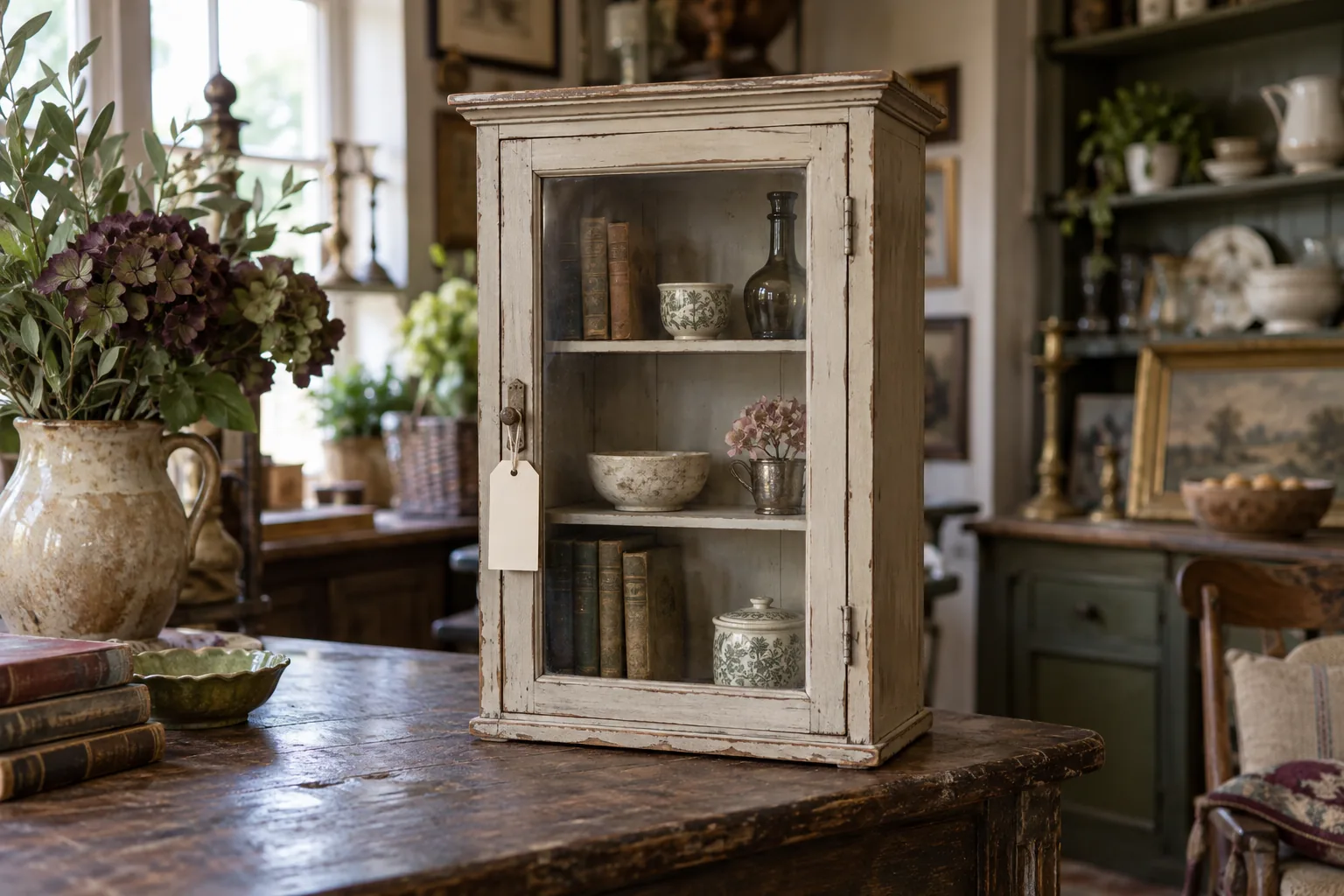
Suppose one cabinet has beautiful doors but narrow shelves, while another has a simpler front and interiors that fit your serving dishes. Picture putting those dishes away after supper. Will the first cabinet require careful rearranging every time? Would that be a satisfying ritual or an irritation? This small imagined action can reveal more than another hour studying the photographs.
Then reverse the test. Picture walking into the room on a quiet morning. Would the simpler piece feel right, or would you continue wishing for the shape you loved? Practical and aesthetic preferences both deserve consideration. The aim is to recognise the compromise you would comfortably live with, not to pretend that one category of value always defeats the other.
Allow neither to be the answer
A comparison can create pressure to choose one option simply because you have spent time evaluating both. Keep the original brief visible. If neither object meets the essential requirements, the useful result may be a more precise search rather than a purchase.
If one does emerge clearly, write down why before committing. That short explanation becomes a check against last-minute distraction: it fits the storage, works in the room and has a finish you enjoy. You do not need to prove that it is the best object in some universal sense. It needs to be a choice whose strengths and compromises you understand well enough to welcome it into daily life.