Take a modest aim
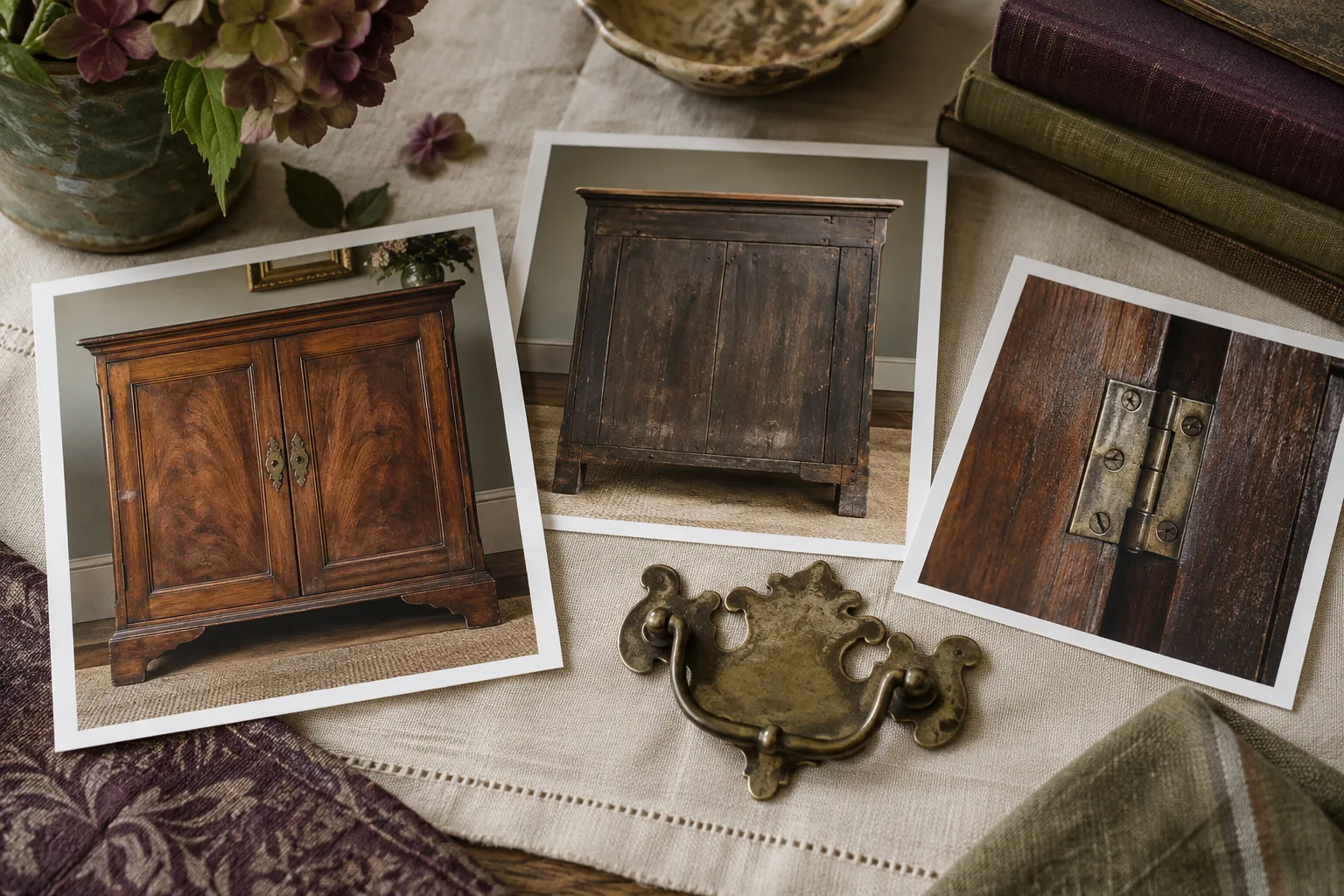
For a first visit, choose one or two categories to pay particular attention to rather than trying to understand the whole market. You might look at small wooden tables, decorative ceramics or framed prints. This gives your eye a focus while leaving plenty of room to enjoy other things. Bring the measurements and room photographs relevant to anything you genuinely need.
Set a spending boundary before arriving and include a plan for carrying or collecting a purchase. A small object may be easy to take home; a heavy or fragile one creates another set of decisions. Check the event's own current arrangements for access, payment and collection rather than assuming every stall operates alike. The practical details are easier to resolve before you are standing beside something you love.
Make a first circuit without pressure
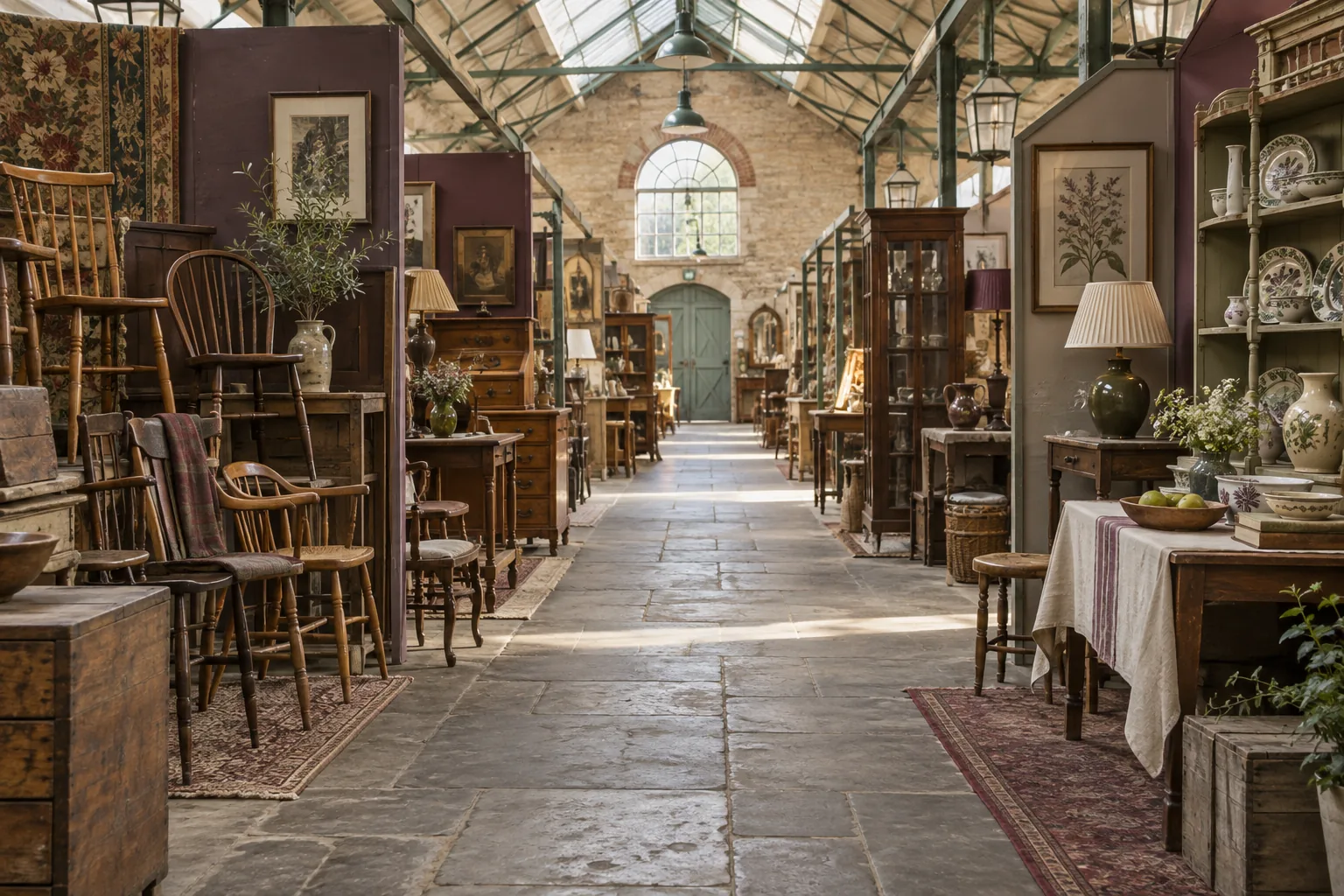
If the size and pace of the market allow it, walk around once to understand the range of objects and sellers. Notice which pieces continue to interest you after you have moved on. Take notes or photographs only with the seller's permission, recording the stall's location so you can return without relying on memory.
You may see similar-looking objects described very differently. Treat this as a reason to ask questions rather than evidence that one seller is automatically right. Your first visit is an opportunity to learn how condition, scale and presentation affect your response. Buying nothing can still be a successful outcome if you leave with a clearer idea of what you enjoy and what you need to investigate further.
Ask before handling
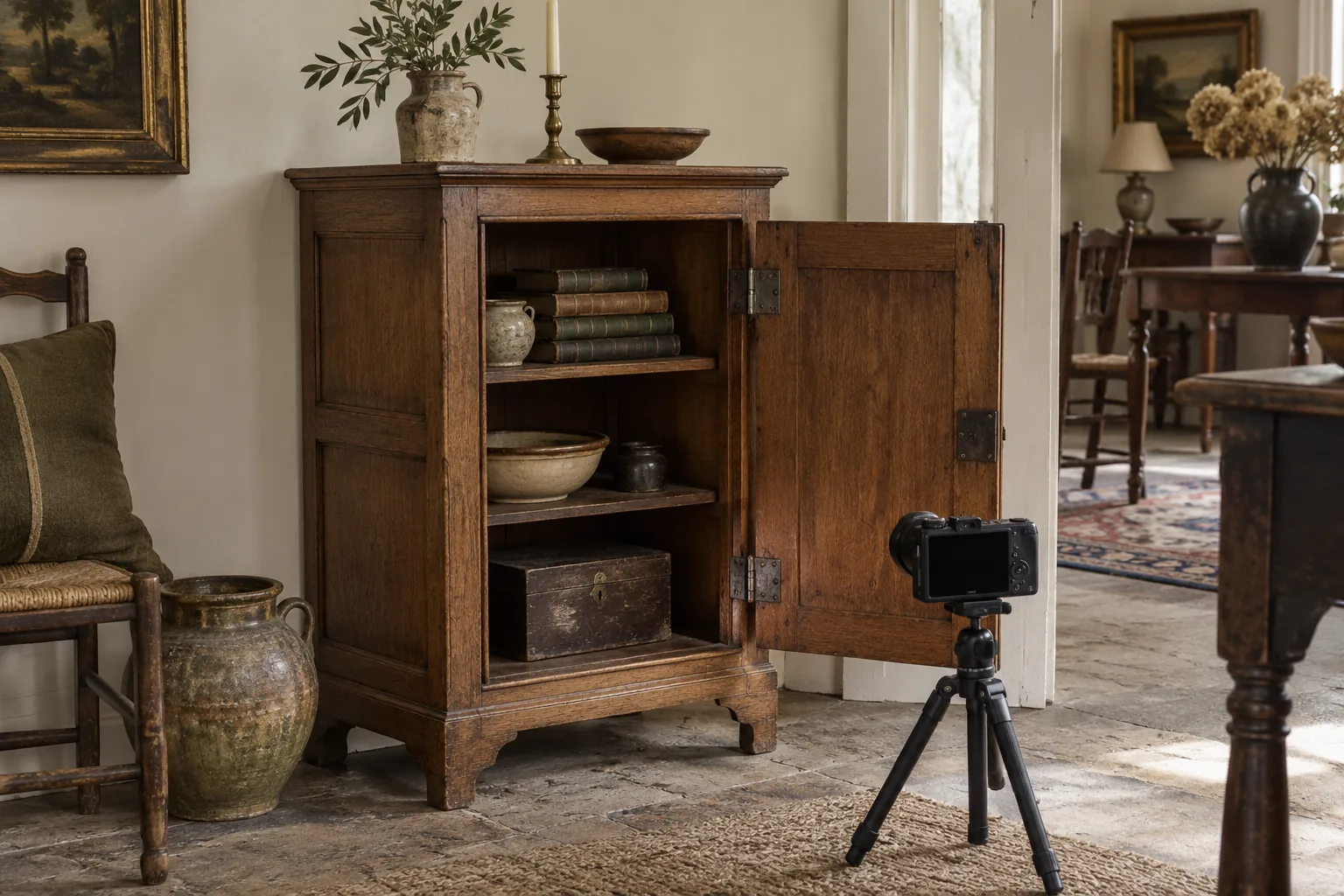
Check with the seller before lifting, turning over or opening an object. Let them show you a heavy, delicate or awkward piece rather than attempting an inspection that could damage it. Look at the parts that matter for your intended use, including bases, interiors and moving elements where appropriate.
Useful questions are specific: what is known about its age, whether there are repairs, which parts are replacements and what is included in the sale. Listen for the distinction between documented information and the seller's opinion. It is reasonable for some history to be unknown. What matters is that uncertainty remains visible in your decision instead of becoming a confident story simply because the object is appealing.
Pause outside the display
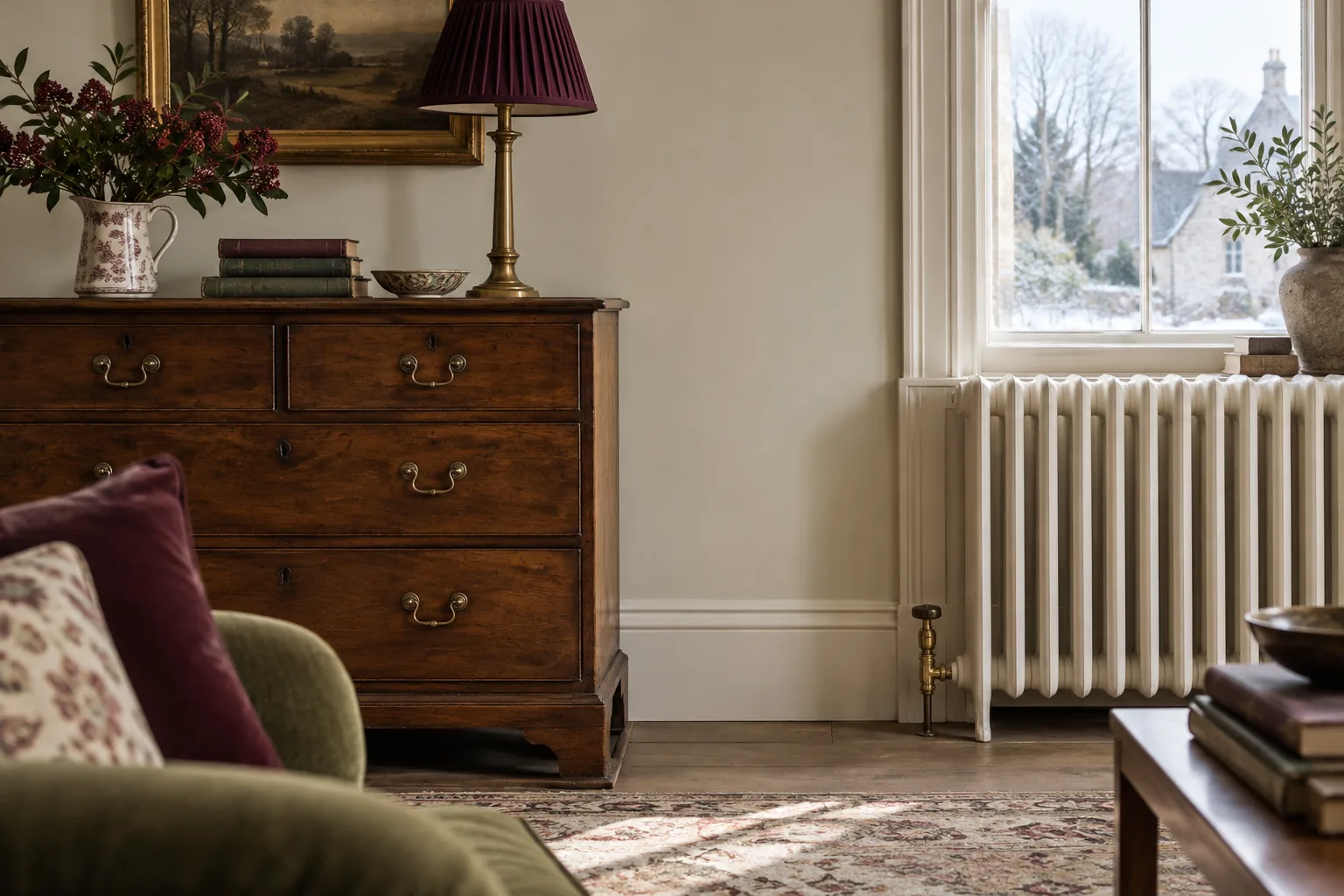
A stall's arrangement can make an object look especially attractive. Before committing, imagine it in your own room among the belongings already there. Check its dimensions against your note and consider whether its condition suits the role you have in mind. A decorative piece and a piece expected to withstand daily use need different assessments.
If you want to discuss price, do so politely and accept that the seller may decline. Agree what is included and how any collection will work before paying. Keep a suitable record of the purchase and the seller's details. The aim is a clear transaction, not a hurried triumph at the end of a negotiation. You should understand both what you are taking home and what remains uncertain about it.
Make a note while the visit is fresh
Afterwards, record the kinds of objects you kept returning to and the questions that were difficult to answer. Perhaps you liked a style in photographs but found its scale wrong in person, or discovered that condition mattered more to you than age. These observations will sharpen the next visit.
Avoid turning the outing into a requirement to find a perfect purchase. Markets offer useful experience in looking, comparing and speaking to sellers, and those skills develop gradually. A considered small purchase is enough, and no purchase is fine. What you want to carry forward is a better sense of your own priorities, rather than the feeling that a day spent looking must be justified by bringing something home.