Start with what you can see
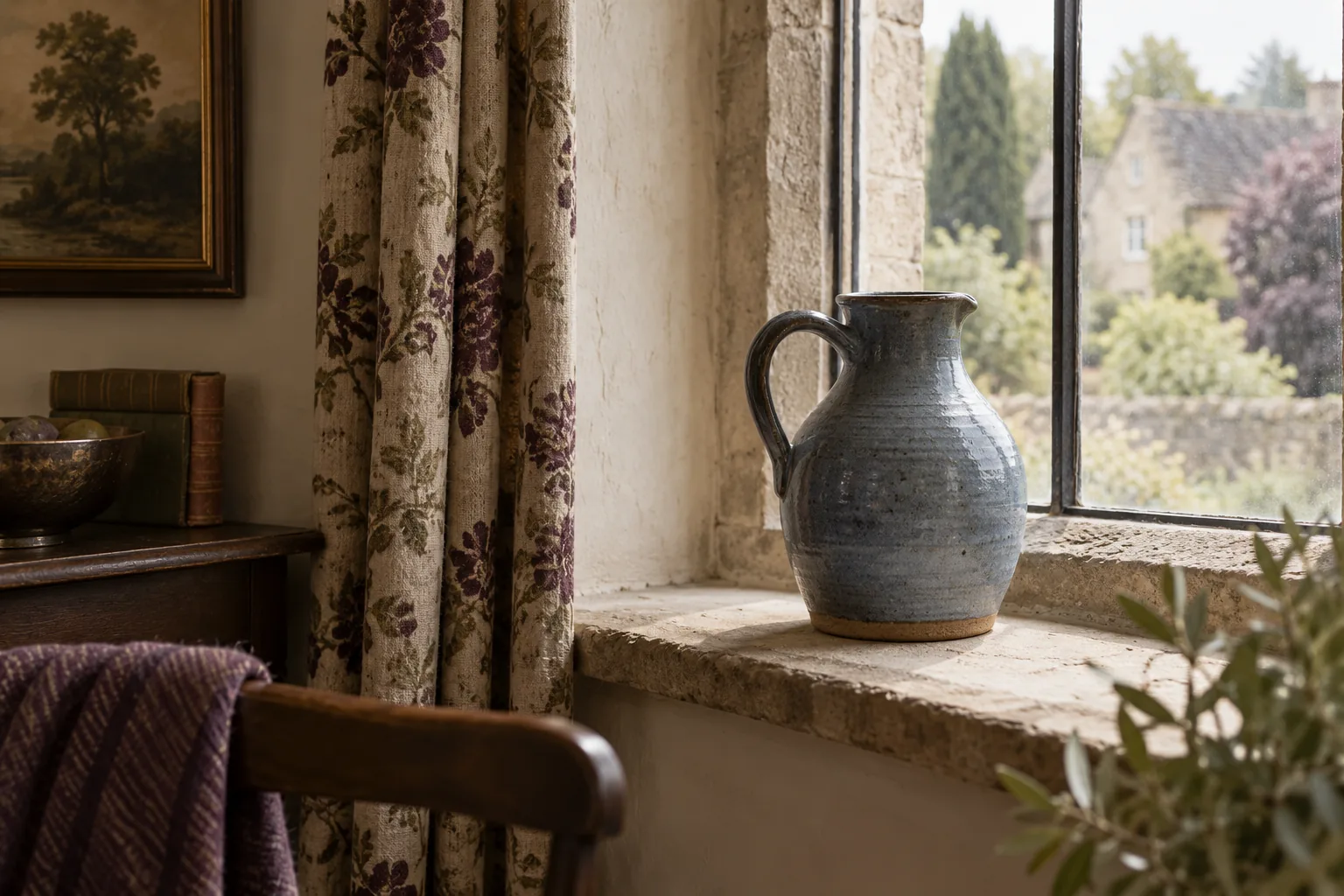
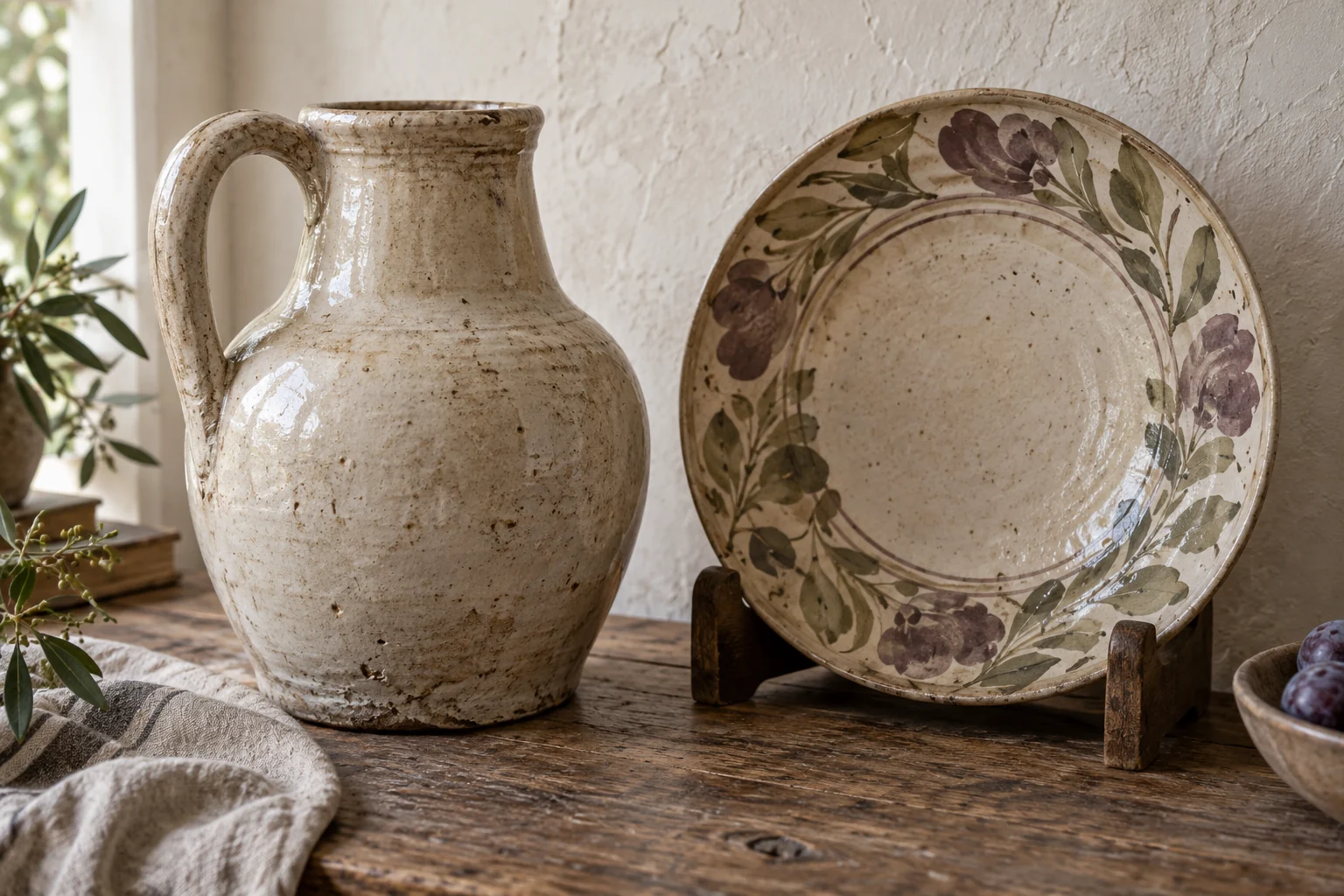
A pot does not need a celebrated maker to be worth living with. Its appeal might lie in a broad shoulder, a thumb-sized depression or a glaze that gathers differently around the foot. Begin with these visible qualities. They give you a reason to buy that remains valid if an attribution later proves inconclusive.
Ask yourself which view you enjoy most. Some pots are compelling from every direction; others have a clear front. That matters if the object will sit on an open table rather than against a wall. Turn it carefully, with permission, and look at the relationship between the mouth, body and base before studying a mark.
Treat marks as a research lead
A stamp or incised mark can be useful evidence, but resemblance to an online example does not settle a maker's identity. Request a sharp photograph taken straight on and another with light coming from the side. Record what is actually visible instead of mentally completing a letter you hope to find.
Keep the seller's wording with your purchase record. There is a meaningful difference between a documented attribution and a tentative suggestion. If a name accounts for most of the asking price, seek appropriate specialist advice before buying. For an everyday decorative purchase, you may prefer an honestly unidentified pot whose shape you like to a more expensive puzzle.
Look closely at the surface
Distinguish a feature you enjoy from a condition issue you are willing to accept. A rough unglazed area might be intentional; a sharp fresh chip is something else. Ask where a photograph shows an unexpected line or change of colour. Useful answers describe location and appearance without promising that every irregularity is a sign of character.
The inside deserves attention too, even if the pot will remain empty. Look for residue, repairs and marks that suggest previous use. Do not assume a vessel is watertight because it resembles a flower vase. An attractive display pot can be a successful purchase without being suitable for flowers, food or household storage.
Choose a scale you can live with
A photograph isolates an object from the demands of a room. Ask for measurements and compare them with something you already own. A twelve-centimetre pot can disappear on a large sideboard but be exactly right beside a reading chair. Conversely, a very broad vessel may claim an entire shelf.
Consider how it will be handled. The Canadian Conservation Institute advises supporting ceramics beneath the body rather than relying on handles. A sensible display position lets you lift the piece securely and see the surface you bought it for. There is little pleasure in an object placed so tightly that every dusting becomes a negotiation.
Keep a modest record
Write down the date, seller, measurements, description and price, and save photographs of the front, base and any damage. This need not be a formal catalogue. A folder on your computer and a short note are enough to keep uncertain information from turning into family certainty over time.
Leave room in that note for why you chose it. Perhaps the glaze relates to a landscape you enjoy, or the wide rim makes nearby objects look calmer. Those reasons are part of the collection too. When you eventually buy another pot, use the first as a reference for what still holds your attention after the excitement of finding it has passed.