Find out what is already connecting the pieces
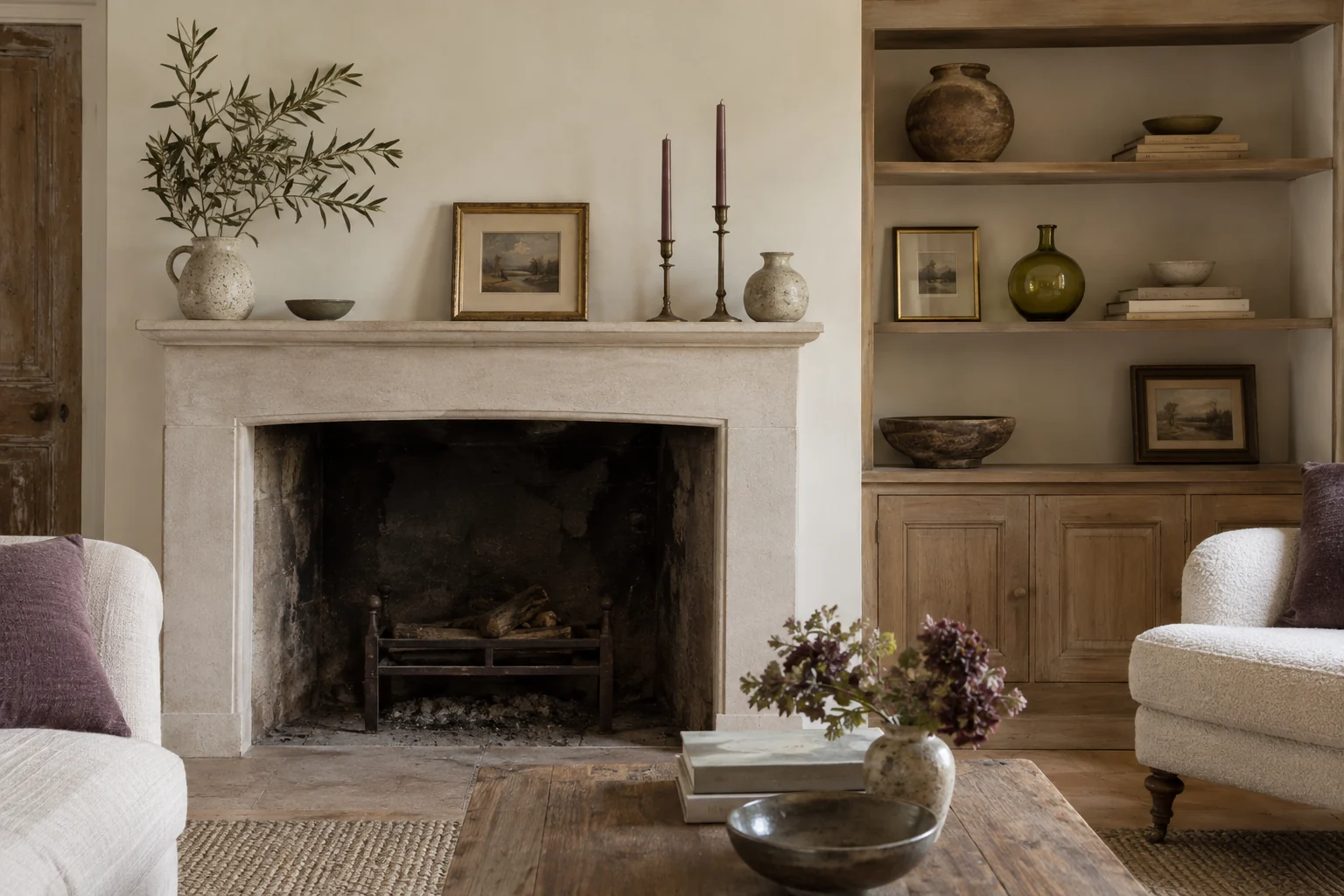
Put a few favourite objects on a clear table and look for a connection you did not plan. Perhaps they all have generous rounded bodies, even though the materials differ. Perhaps a particular green appears in glass, painted wood and pottery. The collection may already have a direction that is more personal than a category name.
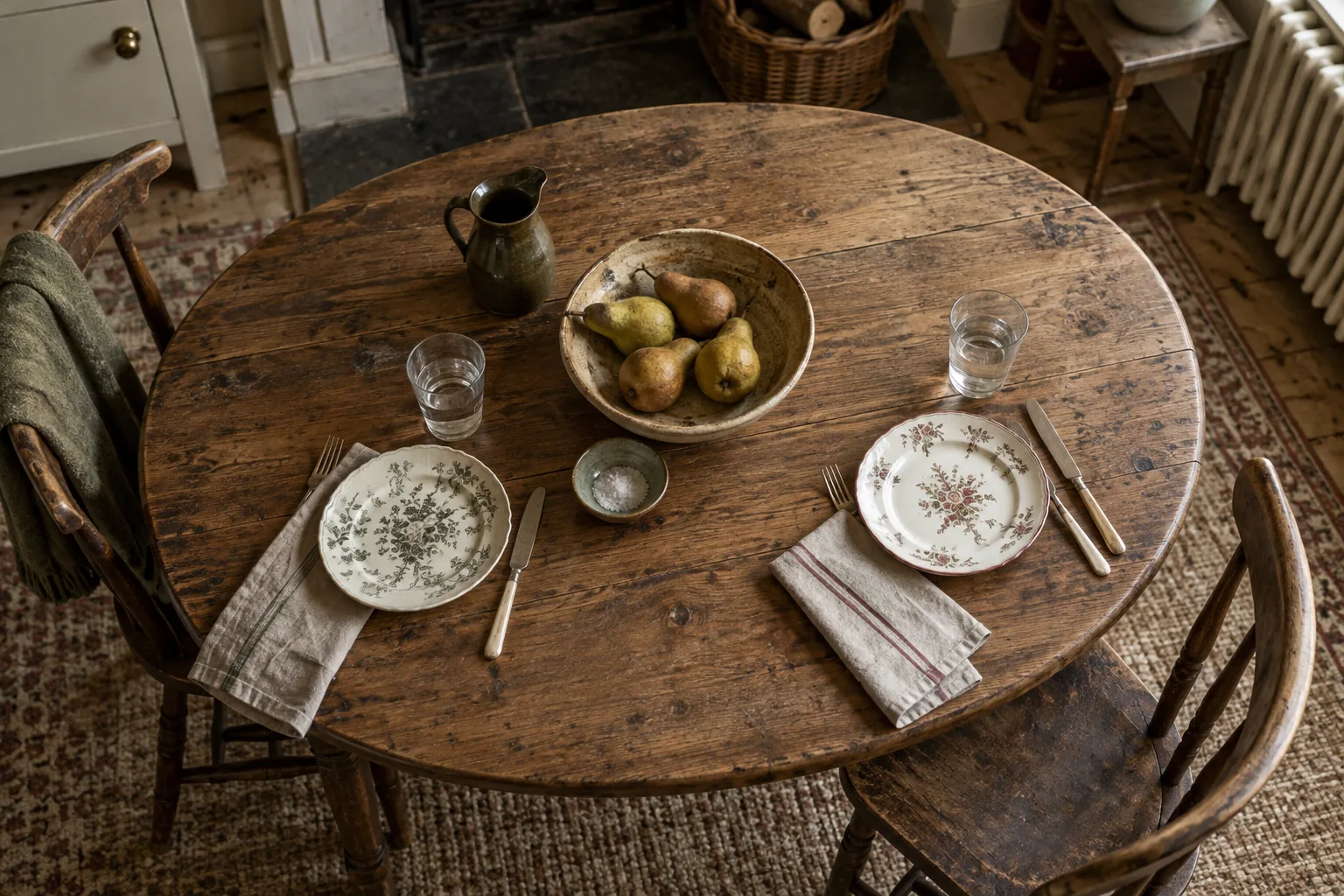
Write down that connection in ordinary language. Wide mouths, dark reds, little feet and looped handles are more useful than saying everything feels vintage. Specific observations help you make decisions in a shop, where attractive objects compete for attention and a general mood can justify almost any purchase.
Then remove the piece you like least and look again. It may have been weakening the connection, or it may have provided a valuable difference. This small exercise shows whether the group needs greater consistency or a little interruption. You can learn quite a lot without buying anything.
Use colour when materials vary
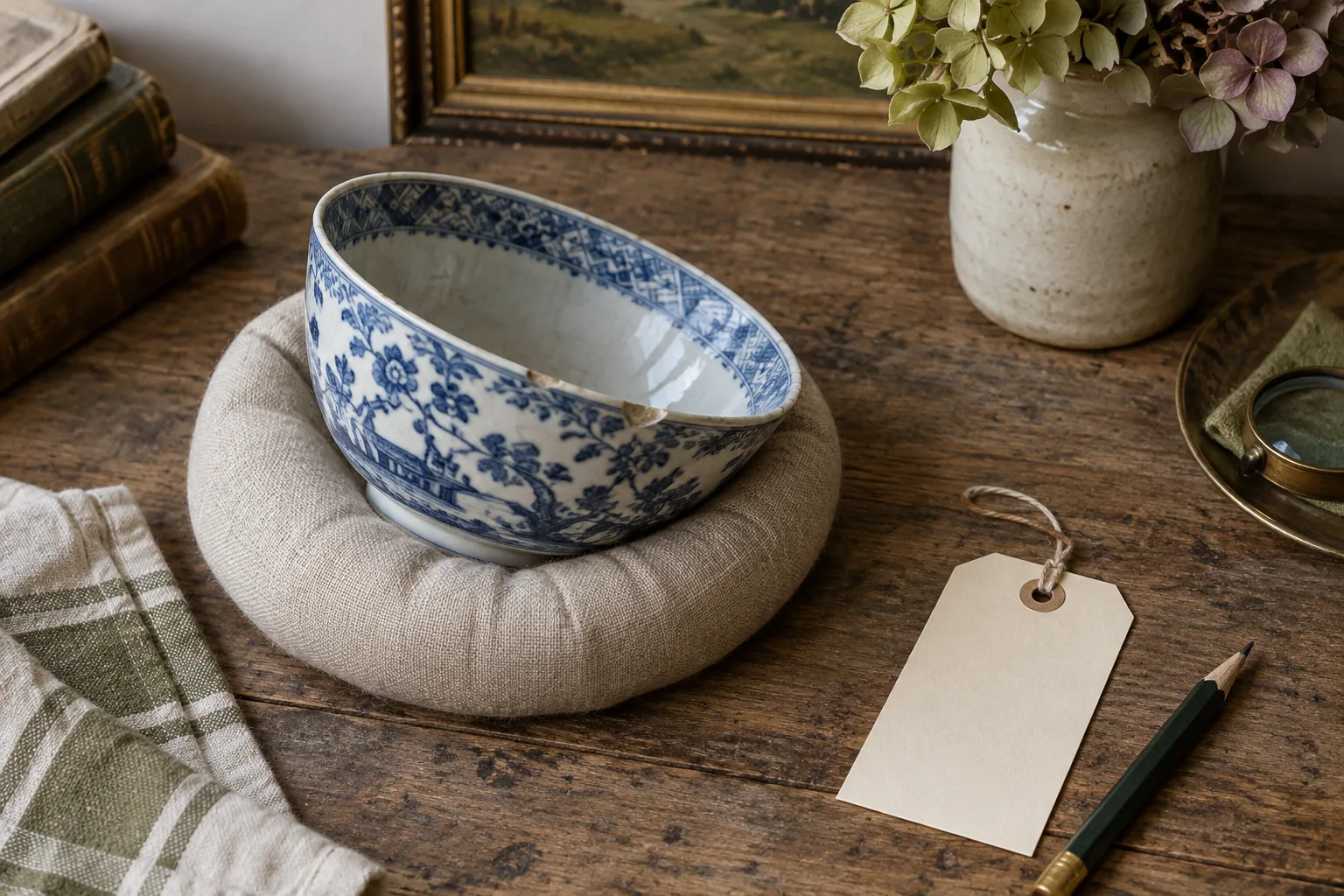
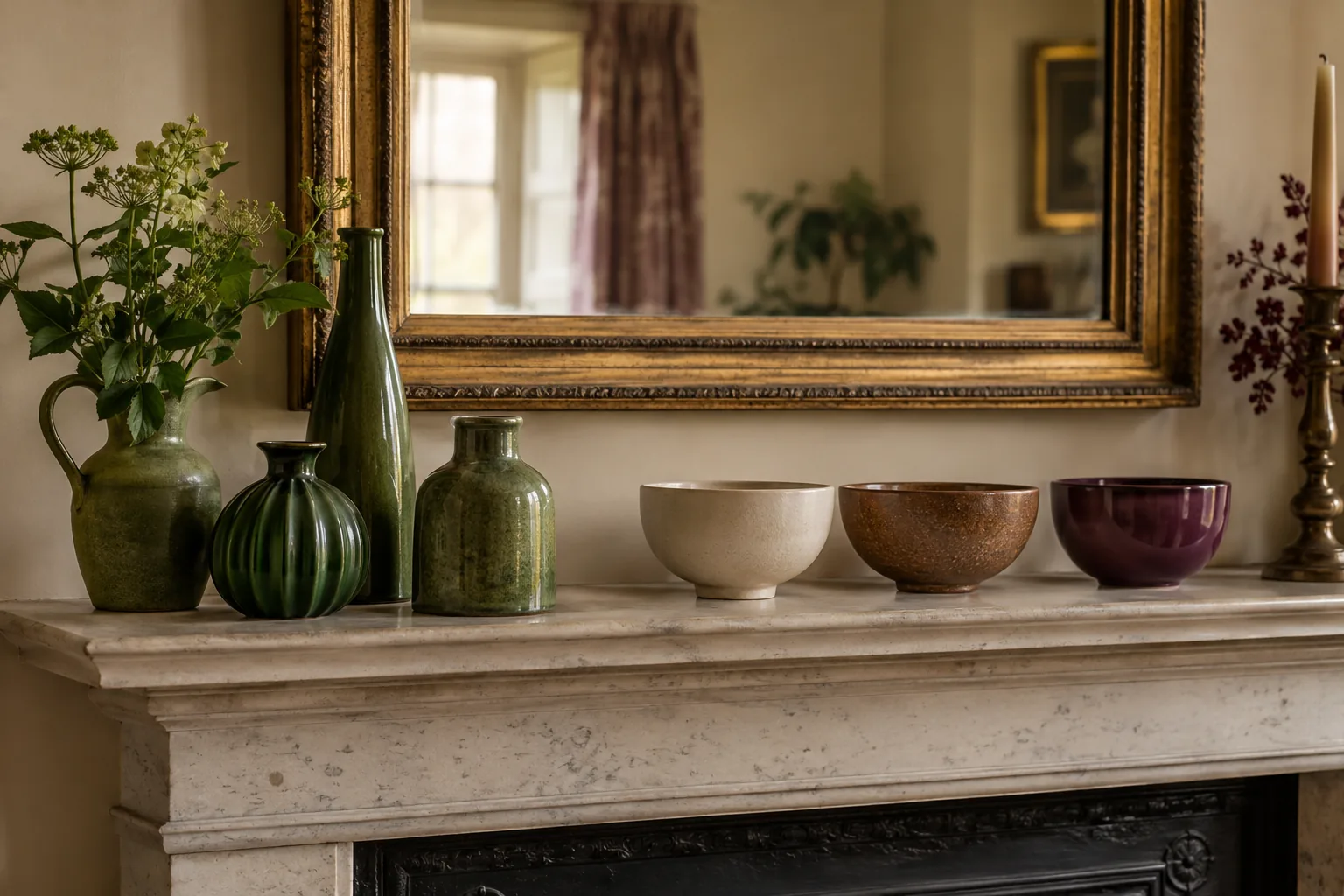
Colour can link objects that would otherwise seem unrelated. A blue ceramic dish, a modest framed print and a small glass bottle might share a cool, quiet palette. The materials keep the group interesting while the colour gives the eye a route through it.
Aim for a relationship rather than an exact match. Screen images are unreliable guides to precise tones, and slight differences often become more appealing in person. Compare intensity and undertone: muted green and bright emerald may have less in common than muted green and soft brown. Include the background in the comparison because the wall changes how each colour reads.
A colour-led collection needs variation in size or outline to avoid looking like a shop display. Let one object be tall, another broad and another compact. Leave enough space to see the shapes individually. If every piece has the same colour and profile, you may be collecting duplicates rather than building a conversation between objects.
Use shape when you want more freedom
A collection of rounded forms can include wood, glass, pottery and metal without needing a single palette. The repeated curve provides structure. Look for meaningful variations: a narrow opening, a broad shoulder or a slightly flattened body. These details reward close looking more than a row of near-identical spheres.
Shape-led collecting works especially well when the room already contains several colours. It allows you to respond to a new material without introducing a new rule. Still, consider the visual weight of each piece. A dark opaque object may dominate a larger transparent one even when their dimensions are similar.
Check how the forms overlap from your usual viewing angle. A handle hidden behind another object loses its contribution. A gap between pieces can be as important as their shared curve. Rearranging is often a better next step than shopping for an object to fill a supposed missing position.
Try two arrangements with the same six objects
Choose six pieces you already own and first divide them by colour. You might find that three warm-toned objects make a quiet group while the remaining cool ones feel unrelated. Photograph the result, then rearrange by shape instead: perhaps a curved handle relates to a round frame, or two flat dishes balance a more upright vessel.
Compare which arrangement makes you notice something new. Colour might make the collection feel calmer; form might bring attention to an overlooked object's outline. Neither result has to become permanent. The exercise shows which organising principle helps in this particular room.
Keep one piece out of both trials. Its absence may reveal that it was carrying too much visual weight or interrupting a promising relationship. Place it somewhere separately rather than declaring it a mistake. A collecting principle works best when it allows several coherent groups across a home, each with its own pace, rather than insisting that every possession can be explained by one rule.
Keep the rule useful, not compulsory
A collecting principle should help you say no, but it should not forbid every surprise. One angular object amongst rounded forms can make the curves more noticeable. A single unexpected colour can keep a restrained display from becoming dutiful. Try the exception before expanding the entire collection around it.
Keep a short wish list describing qualities rather than specific products. You might want a low, pale object for the left side of a shelf, but discovering that empty space looks better is also a successful result. The best collection has a recognisable sensibility and enough room for your taste to change.