Name the quality you are drawn to
An attraction to a particular era often begins with something more specific than a date. You may like the curved outline of a chair, the warmth of a timber finish or the graphic quality of a textile. Identify those qualities before trying to reproduce an entire historical room. They are more useful guides to choices than a rule that everything must belong to the same decade.
A home also contains the practical needs and belongings of its present occupants. Leaving room for those things does not weaken its character. It makes the older pieces part of a lived setting rather than a collection requiring everyone else to adapt around it.
Let a few pieces carry the reference
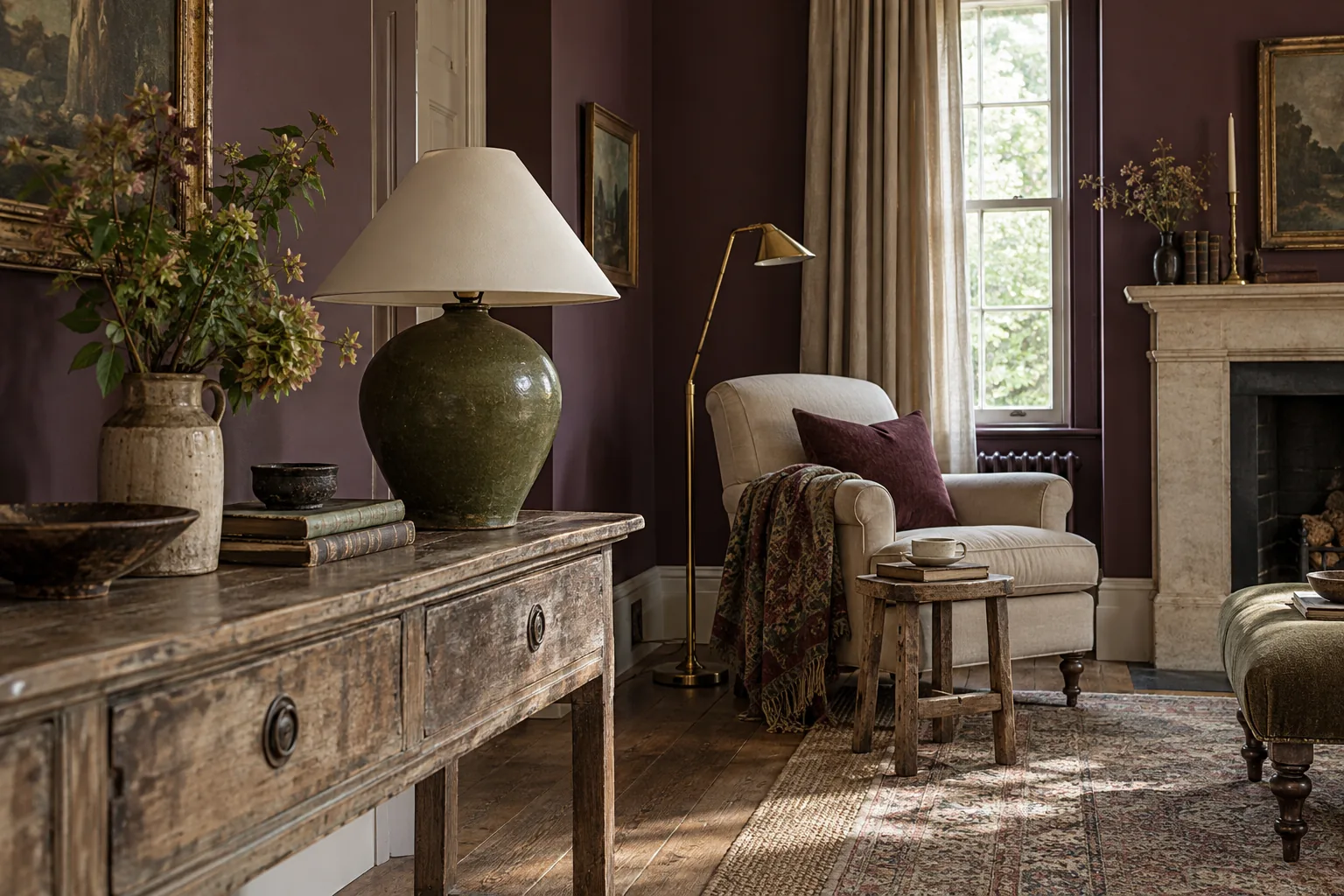
Choose one or two pieces that express the period you enjoy particularly well. Their shapes and materials may be enough to establish the mood. Surround them with quieter furniture that meets the room's needs, whether old or new. This gives the distinctive pieces space to be noticed.
When every object carries the same strong reference, the effect can become theatrical. An elaborate chair may feel more appealing beside a simple table than next to a matching procession of highly characteristic accessories. The room can acknowledge an era without illustrating every feature associated with it. Restraint often makes the pieces you truly love look more individual.
Mix ordinary belongings into the picture
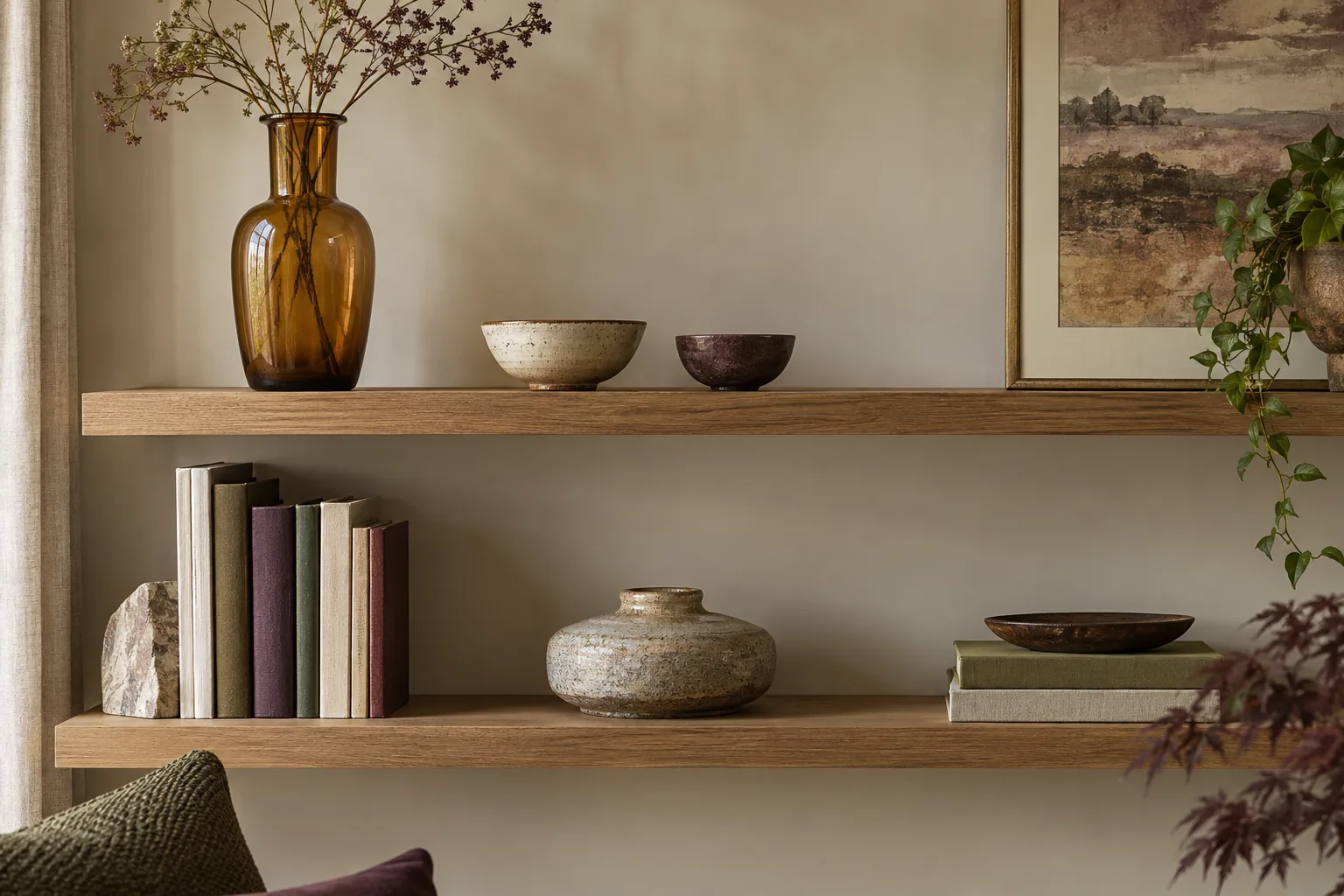
Books you read, pictures you have chosen and everyday objects help prevent a room from feeling like a display assembled around a label. Give these items a sensible place even if they interrupt the historical reference. Their presence introduces the small inconsistencies that make a home personal.
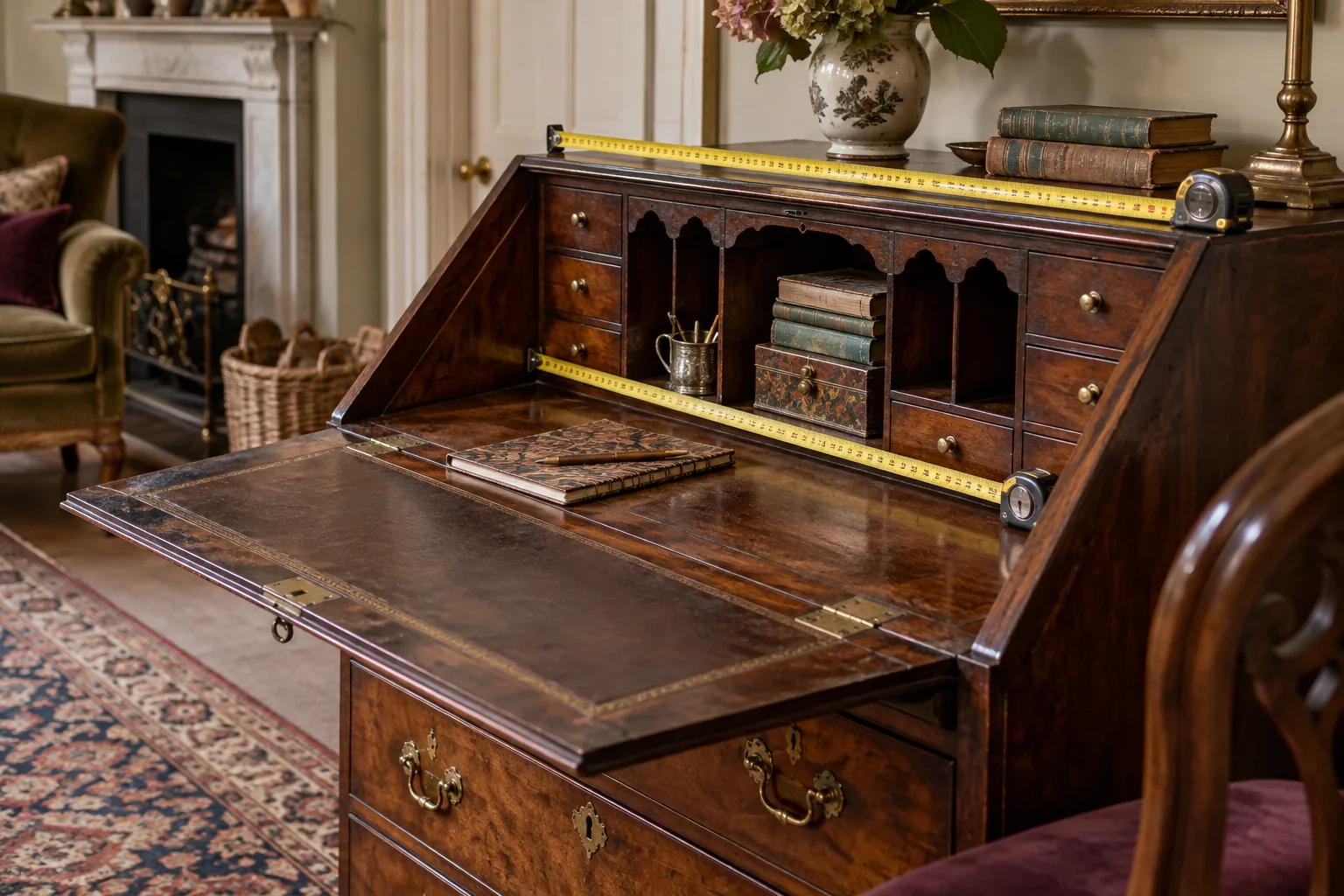
Avoid collecting decorative substitutes for things you do not actually use simply because they complete the scene. A room does not need a period-style telephone or an unused drinks trolley to make sense of an older sideboard. The furniture will usually look more convincing when its surface supports the routines and interests of the people who live with it.
Use colour with some freedom
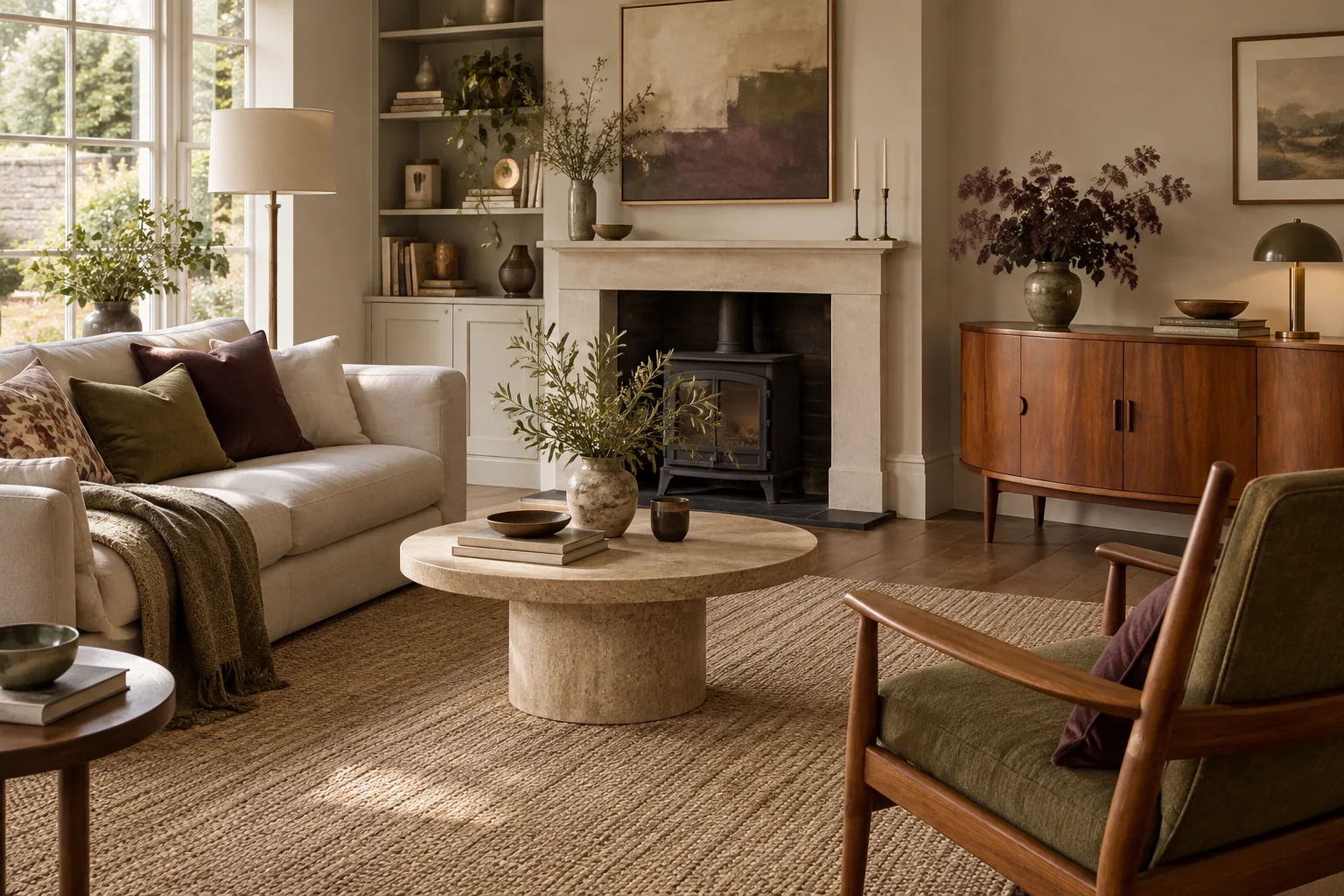
A period-inspired palette can be enjoyable, but it need not become a strict reconstruction. Take one or two colours you like and adjust their strength or placement to suit the room's light and existing materials. A dark accent on a cushion may work where a whole wall would feel too dominant.
Allow plain surfaces and contemporary textiles to give the eye a rest. These quieter elements make it easier to appreciate distinctive shapes and decorative details. If the room begins to feel over-described, remove one obvious reference and see whether the remaining pieces become stronger. You may find that less historical insistence produces a more attractive result.
Leave room for the next chapter
A room that depends on absolute consistency can be difficult to change. One inherited object or useful new chair suddenly seems like an intruder. Build in some flexibility from the beginning by allowing mixed materials, simple shapes and personal exceptions. A favourite era can remain the main influence without becoming the only acceptable source.
When considering another piece, ask what it adds to the room now rather than how accurately it completes a historical picture. Perhaps it improves seating, provides storage or introduces a colour you enjoy. That practical and personal test keeps the room developing naturally, with older furniture as part of an ongoing home rather than the end point of a decorating exercise.