Choose one problem to solve
A room can feel stale for several reasons: a blocked route, a crowded display, furniture that no longer suits the way you use the space. Name the main problem before changing everything. If you simply begin moving objects at random, you may produce a different room with the same inconvenience.
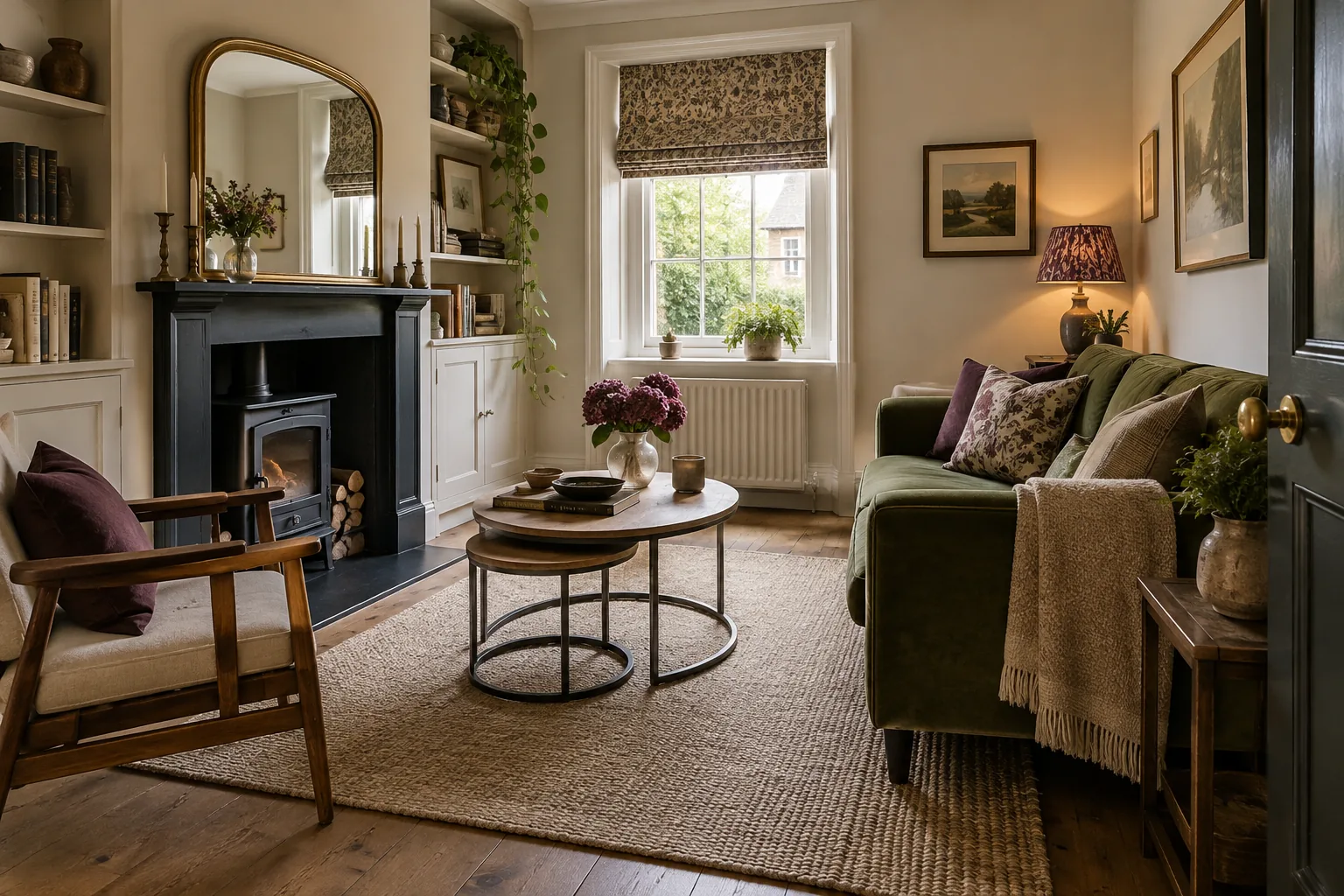
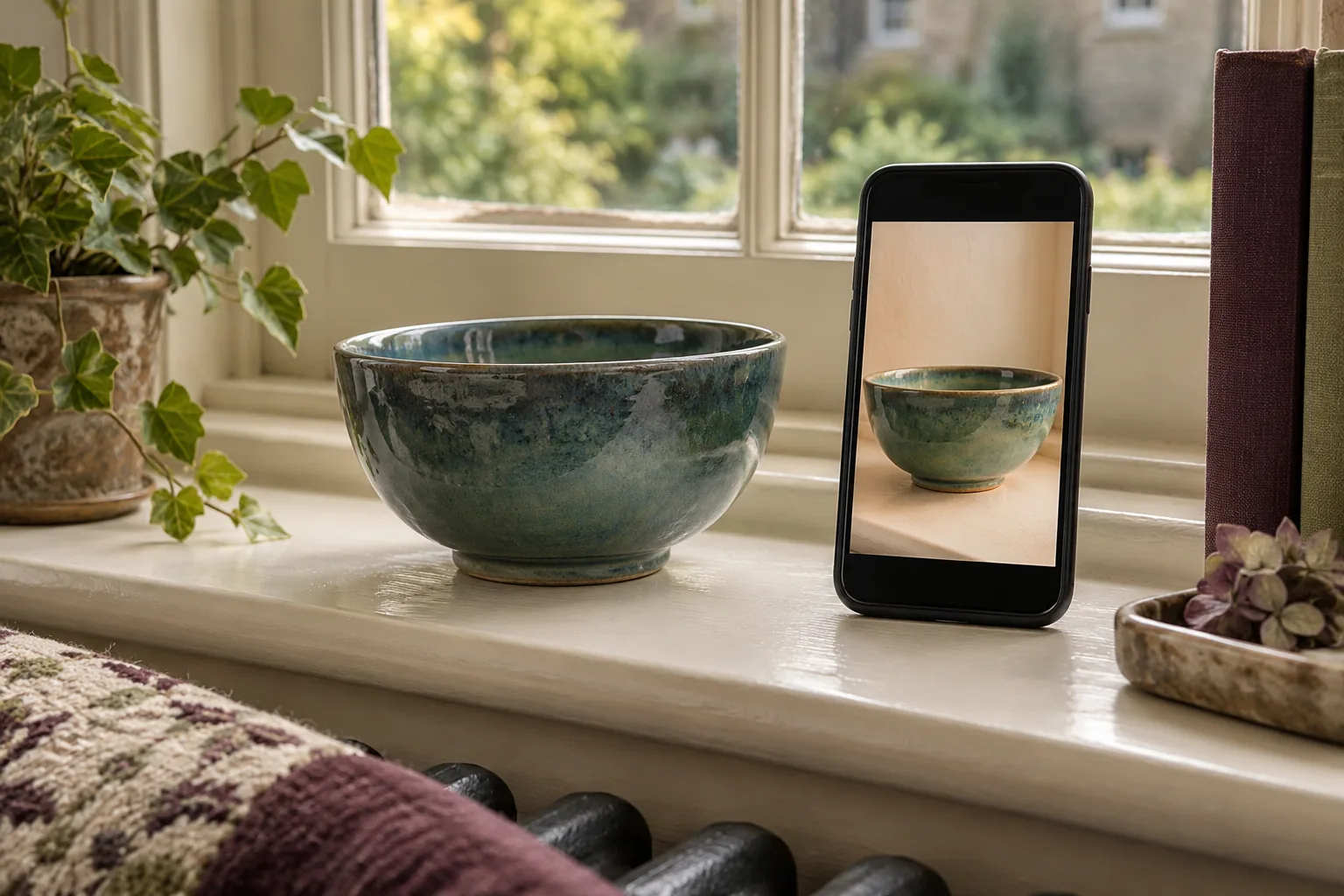
Take a few photographs from the doorway and normal seating positions. They can reveal imbalances that familiarity has made easy to overlook. Note what you still enjoy, too. A favourite chest, a comfortable chair or a pleasing colour should not be displaced merely because you have decided to refresh the room. The strongest starting point is often to preserve those successes while addressing the part that has stopped working.
Clear the decorative layer temporarily
Remove small objects from the main surfaces and place them safely together. This makes it easier to see the furniture's actual shapes and the space between them. You may discover that the layout is sound and the room simply needs less on display. Alternatively, the cleared view may reveal a piece that is too large or poorly positioned.
Move furniture carefully with suitable help where necessary, protecting the pieces and surroundings. Test only one or two layout changes at a time so you can understand their effect. Check doors, drawers and walking routes in each version. A refresh should improve the room's use, not just produce a new angle that looks good in the first photograph.
Include the view beneath furniture in this assessment. A collection of baskets, spare cushions and trailing belongings can make an otherwise balanced room feel congested. Move items to their proper storage before deciding that the visible furniture itself is the source of the problem.
Borrow a connection from another room
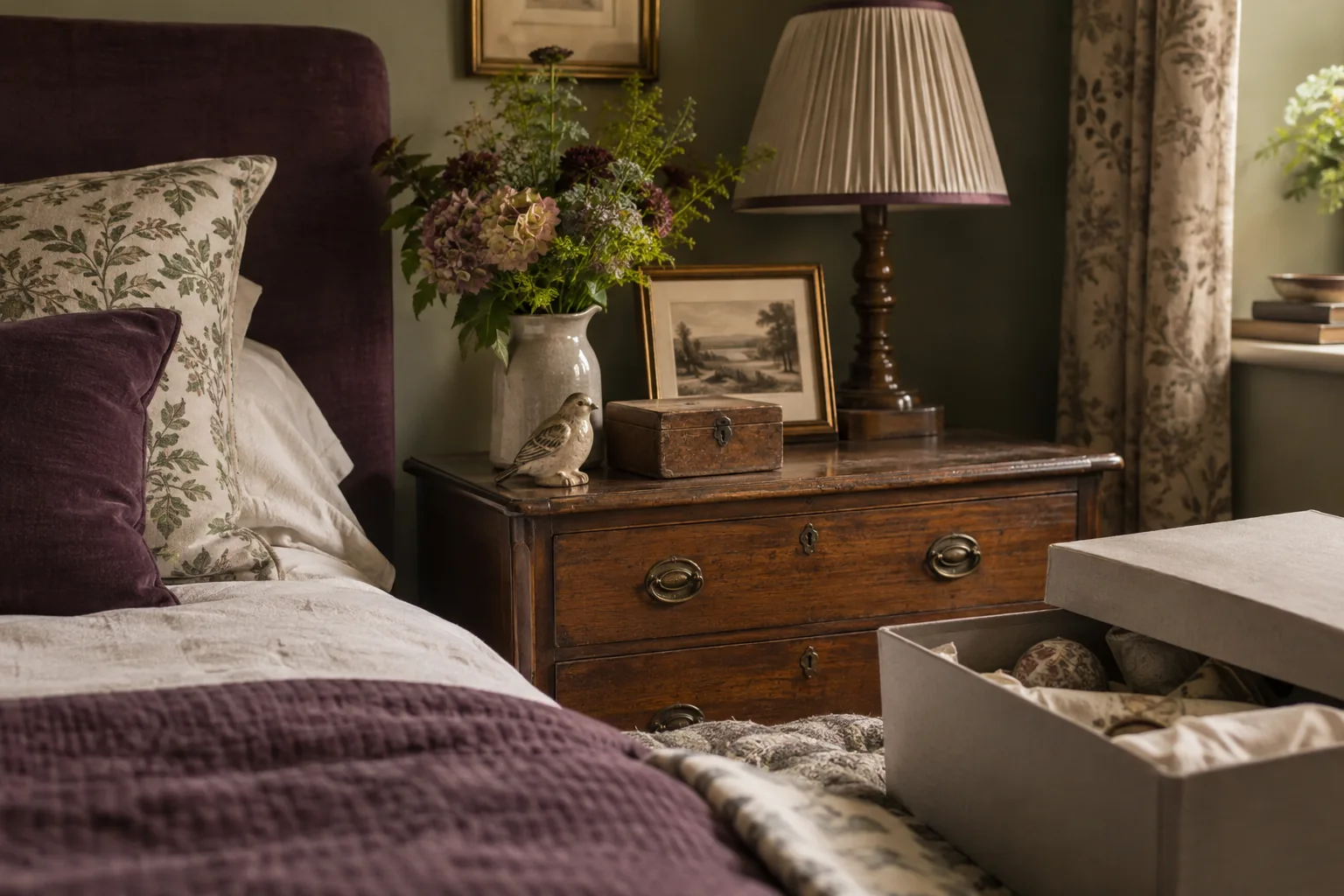
A picture, textile or occasional table from elsewhere can change a familiar arrangement without requiring a new object. Look for something that brings a useful colour, scale or function. Be careful not to create a problem in the room it comes from; the exercise is to improve the home, not merely transfer an awkward gap.
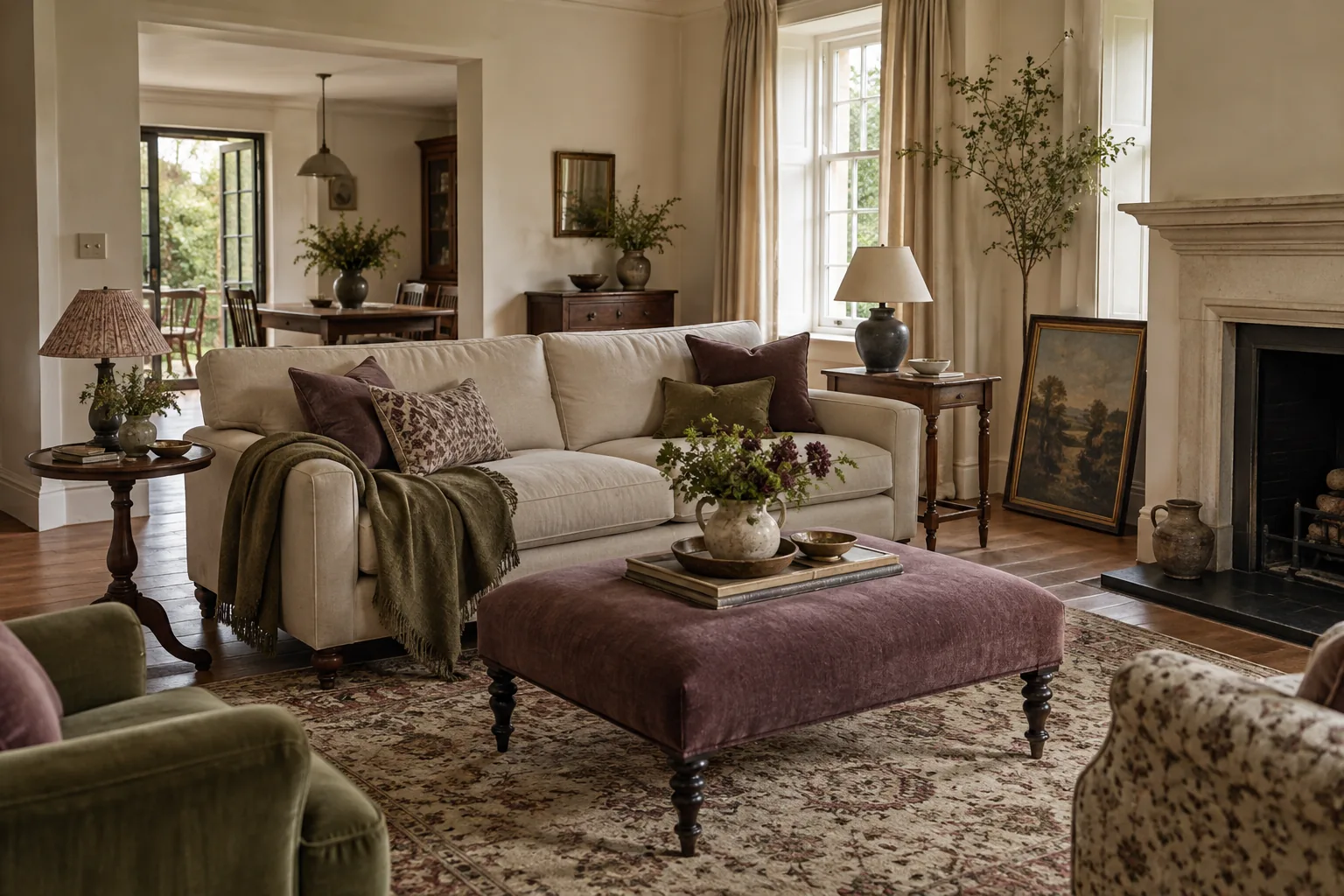
Return decorative objects selectively. Begin with the pieces you missed while the surfaces were clear, then stop before everything has automatically gone back. Group objects where their shapes and colours work together, leaving usable areas for daily belongings. A different combination of familiar things can feel surprisingly fresh because you are noticing relationships that were hidden by the old arrangement.
Live with the gaps before filling them
The refreshed room may initially seem a little empty, particularly if you have removed a long-standing display. Give your eye time to adjust. Use the room through several ordinary days and evenings, noticing where light, activity and belongings naturally gather. These observations reveal whether anything useful is missing.
Make a short list of unresolved practical needs rather than a broad shopping list. Perhaps the chair needs a nearby surface or the paperwork needs a closed home. A specific need leads to clearer decisions than a feeling that the room requires more character. Often the character was there all along, hidden beneath too many competing objects. A successful refresh lets the best existing pieces take their proper place again, with the rest of the room arranged to make them useful and enjoyable.